

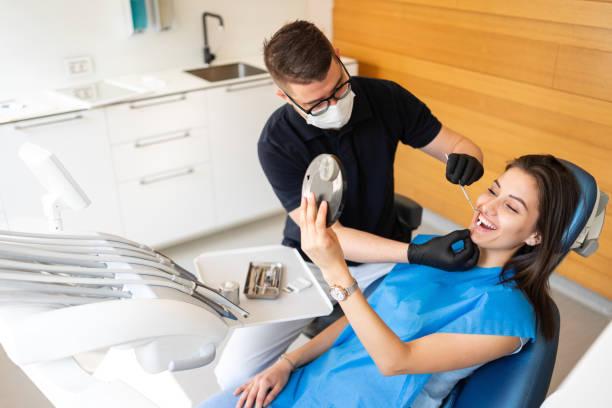

Choosing Dental Veneers in Dubai may help patients improve the appearance of teeth affected by discoloration, minor chips, uneven shapes, or other cosmetic concerns. Veneers are designed to create a more balanced-looking smile, but treatment should always begin with a professional assessment of the teeth and gums.
How Can Veneers Enhance a Smile?
Dental veneers can change the visible appearance of selected teeth by improving their color, shape, size, and proportions.
They may be useful for patients who want a more consistent smile appearance while maintaining features that look appropriate for their face and natural teeth.
What Smile Concerns Can Veneers Address?
Veneers may help improve the appearance of certain stained, chipped, worn, uneven, or irregularly shaped teeth.
They can also sometimes improve the appearance of small gaps or minor cosmetic alignment concerns. The dentist determines whether veneers are suitable after examining the teeth.
Dental Clinic and Smile Planning
A Dental Clinic can assess the patient's smile, oral health, bite, and tooth structure before veneer treatment.
During the consultation, the dentist can discuss the patient's desired outcome and explain whether veneers, whitening, bonding, orthodontics, or another option would be more appropriate.
Why Is Smile Design Important?
Every patient has different facial features, tooth proportions, and natural smile characteristics.
A carefully planned veneer treatment considers tooth shape, shade, size, alignment, and the relationship between the teeth and gums to create a balanced appearance.
What Materials Are Available?
Porcelain and composite are commonly used for dental veneers. Each material has different characteristics regarding appearance, durability, preparation, and maintenance.
The dentist can explain the available choices and recommend an option based on the patient's individual requirements.
What Happens During Treatment?
Treatment generally begins with a consultation and dental examination. If veneers are considered appropriate, the dentist develops a treatment plan based on the selected teeth and desired appearance.
Digital scans or impressions may be taken before the final restorations are created and placed.
Is Tooth Preparation Necessary?
The amount of preparation depends on the type of veneer and the patient's individual teeth.
If preparation is required, the dentist carefully modifies the tooth surface to provide suitable space and support for the restoration.
How Are Veneers Placed?
Once the veneers are ready, the dentist checks their fit, shape, color, and appearance.
After the final assessment, the veneers are bonded to the selected teeth using appropriate dental materials. The bite may also be checked and adjusted if necessary.
Are Veneers Comfortable?
Patients can experience some temporary sensitivity after preparation or placement.
The experience varies depending on individual tooth sensitivity and the treatment process. Any persistent discomfort should be discussed with the dental professional.
How Long Can Veneers Last?
The lifespan of veneers varies according to factors such as material, oral hygiene, biting habits, and professional care.
Regular examinations and appropriate daily maintenance can help monitor and protect the restorations.
How Should You Care for Your New Smile?
Continue brushing your teeth regularly and cleaning between them. Routine dental appointments remain important even after cosmetic treatment.
Patients should also avoid biting hard objects or using their teeth to open packages, as these habits can damage natural teeth and restorations.
Can Veneers Be Whitened?
Veneers do not whiten like natural tooth enamel. If a patient wants a brighter smile, the desired shade should be discussed before veneers are fabricated.
This allows the dentist to select a veneer shade that works with the patient's overall smile.
Are Veneers Suitable for Everyone?
No. Active cavities, gum disease, severe tooth damage, significant bite problems, or certain oral habits may affect suitability.
A dental examination is necessary before deciding whether veneers are an appropriate treatment.
What Are the Alternatives?
Depending on the cosmetic concern, alternatives may include professional teeth whitening, dental bonding, braces, clear aligners, crowns, or other restorative procedures.
The most suitable option depends on the patient's dental condition and treatment goals.
Why Is Aftercare Important?
Proper aftercare supports the health of the natural teeth and gums surrounding the veneers.
Following professional recommendations and attending regular checkups can help identify potential problems early and maintain the appearance of the smile.
How Can Patients Prepare for a Consultation?
Think about the aspects of your smile that you would like to improve and discuss your expectations openly with the dentist.
Ask about veneer materials, tooth preparation, expected results, maintenance, possible sensitivity, and alternative treatments.
Final Thoughts
Dental veneers can enhance the appearance of selected teeth and contribute to a more balanced and confident-looking smile. However, successful cosmetic treatment depends on careful planning, healthy teeth and gums, and realistic expectations.
If you are considering Dental Veneers, consult a qualified dental professional for a personalized assessment and treatment recommendation.
