


Hair Transplant in Islamabad: A Step-by-Step Look at the Treatment Process
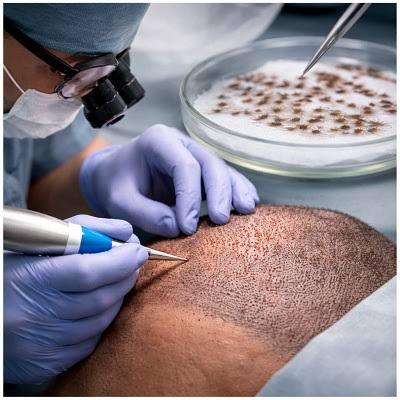
Hair loss can affect confidence and appearance, especially when thinning becomes noticeable around the hairline, crown, or other areas of the scalp. A hair transplant is a surgical procedure that moves healthy hair follicles from a donor area to areas affected by thinning or baldness. Modern techniques are designed to create natural-looking results by placing individual follicular units carefully.
For people considering Hair Transplant in Islamabad, understanding the treatment process can make the experience easier to prepare for. While every patient’s plan is different, the procedure generally involves consultation, treatment planning, graft harvesting, preparation, implantation, and aftercare.
Initial Consultation and Hair Assessment
The process usually begins with a detailed consultation. The scalp and hair-loss pattern are assessed to determine the possible cause and extent of hair loss. The donor area, usually located at the back or sides of the scalp, is also examined to see whether it contains enough healthy hair for transplantation.
A professional assessment is important because not everyone with hair loss is an ideal candidate. Factors such as donor hair availability, the pattern of hair loss, scalp condition, and realistic expectations can influence treatment planning.
Designing the Hairline and Treatment Plan
After assessment, the treatment plan is developed according to the patient's needs. The hairline may be designed based on facial proportions, age, existing hair density, and the expected progression of hair loss.
The number of grafts required can vary considerably. A good treatment plan focuses not only on immediate coverage but also on maintaining a natural appearance as the patient ages.
Preparing the Donor Area
Before graft extraction, the donor area may be trimmed to make individual follicles easier to access. Local anesthesia is generally used to numb the scalp, helping minimize discomfort during the procedure. Hair transplantation is commonly performed while the patient remains awake.
Harvesting the Hair Grafts
One of the important stages is removing healthy follicular units from the donor area. In FUE, individual follicular units are extracted using a small punch instrument. Another established method, FUT or strip harvesting, removes a strip of hair-bearing scalp that is subsequently divided into grafts.
The choice of technique depends on the patient's hair characteristics, donor area, goals, and professional assessment.
Preparing the Grafts
Once the follicles are harvested, they are carefully prepared for transplantation. Grafts are handled and organized so they can be placed appropriately into the recipient area.
Careful graft handling is important because the shape, size, and quality of grafts can influence the appearance of the final result.
Creating Recipient Sites
The next stage involves preparing the thinning or bald areas where the grafts will be implanted. Tiny recipient sites are created according to the planned hairline, density, direction, and angle.
This step requires precision because transplanted hairs need to follow a natural growth direction. Proper placement can help avoid an artificial or overly uniform appearance.
Implanting the Grafts
The prepared grafts are then carefully placed into the recipient sites. Single-hair grafts may be particularly useful around the frontal hairline, while grafts containing more hairs can help provide density behind the hairline.
The procedure can take several hours depending on the number of grafts and the extent of hair loss. The American Academy of Dermatology notes that many hair transplant procedures take approximately four to eight hours.
Immediate Aftercare
After implantation is complete, the scalp is cleaned and the patient receives detailed aftercare instructions. Mild swelling, redness, tenderness, or small scabs can occur during the early healing period.
Patients should follow their provider's instructions regarding scalp washing, physical activity, sleeping position, medications, and protecting the transplanted area. Proper aftercare supports healing and helps protect newly implanted grafts.
Hair Growth and Recovery Timeline
Hair transplantation does not produce instant results. Some transplanted hairs may shed during the first several weeks after treatment. This can be a normal part of the growth cycle and does not necessarily mean the transplant has failed.
New growth develops gradually over the following months. The American Academy of Dermatology reports that many patients begin seeing noticeable results around six to nine months, although some may require up to 12 months for significant growth.
What Patients Should Expect
A successful hair transplant is a gradual process rather than an immediate transformation. Results depend on factors such as donor hair quality, the extent of hair loss, surgical technique, graft handling, healing, and ongoing hair-loss progression.
For individuals considering Hair Transplant in Islamabad, having a proper consultation and understanding each stage can help establish realistic expectations. A qualified hair-restoration professional can assess individual needs and recommend an appropriate treatment approach.
FAQs
How long does a hair transplant procedure take?
The duration depends on the number of grafts and treatment area. Many procedures take approximately four to eight hours.
Is a hair transplant painful?
Local anesthesia is generally used to numb the scalp during the procedure. Some patients may experience temporary tenderness or discomfort during the recovery period.
When will transplanted hair start growing?
Visible growth develops gradually. Many patients notice meaningful results between six and nine months, while some may take up to 12 months.
Does transplanted hair fall out after surgery?
Temporary shedding of transplanted hair can occur during the first several weeks. This is considered a normal part of the process before new growth develops.
How can I get the best results from a hair transplant?
Following aftercare instructions, attending follow-up appointments, protecting the scalp during healing, and discussing ongoing hair-loss management with a qualified professional can support the best possible outcome.
Final Thoughts
A hair transplant involves several carefully planned stages, from evaluating the donor area and designing the hairline to harvesting, preparing, and implanting follicular grafts. Because results develop gradually, patients should approach treatment with realistic expectations and understand that healing and regrowth take time.

 Bangla