


Wound Dressing at Home for Post-Surgery Care
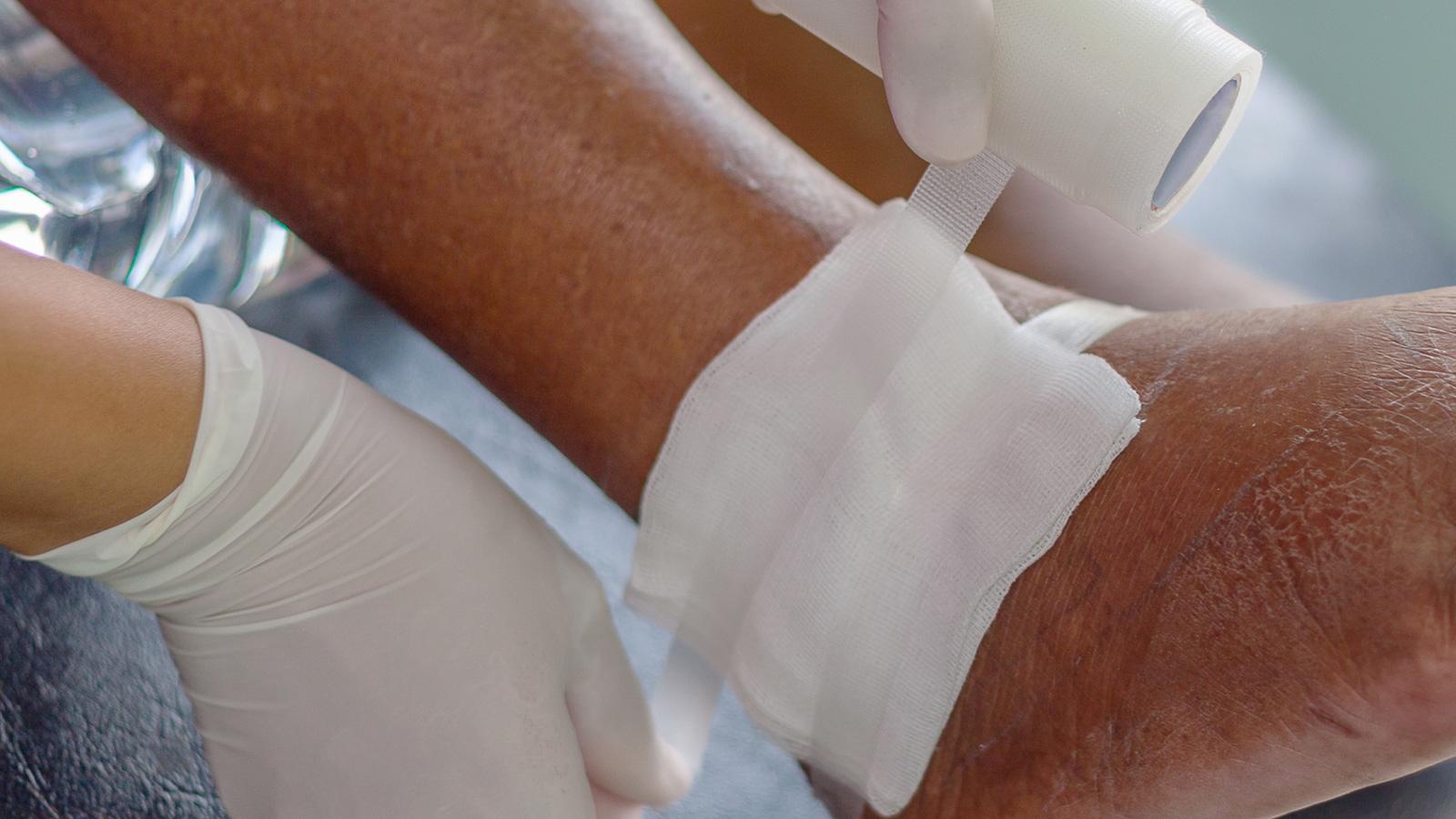
Recovering after surgery requires patience, proper rest, and careful attention to the surgical site. Once a patient returns home, regular wound management may become an important part of the recovery routine. In Dubai, Wound Dressing at Home allows patients to receive professional assistance with dressing changes without repeatedly travelling to a healthcare facility. Appropriate wound care can help protect the surgical site, maintain cleanliness, reduce unnecessary irritation, and allow healthcare professionals to monitor the incision during recovery. Home-based care can be particularly convenient for patients experiencing discomfort or limited mobility after a procedure.
When patients need additional medical support during recovery, Doctor at home in Dubai can provide convenient medical assessment within the patient's home. A doctor can review the patient's recovery, assess concerning symptoms, and determine whether additional treatment or follow-up is necessary. This can be useful when a patient notices changes around the surgical wound, experiences increasing discomfort, or has concerns about the healing process.
Why Post-Surgery Wound Care Matters
A surgical incision needs time to heal after an operation. During this period, appropriate wound protection and regular monitoring can be important parts of post-operative care.
The surgical site may be sensitive during the early recovery period. Excessive friction, unnecessary touching, moisture, or other factors can cause irritation and make wound management more difficult.
Professional dressing care provides an opportunity to assess the incision while replacing the dressing according to the patient's care plan.
Protecting the Surgical Site
A suitable dressing can help protect the incision from external contaminants and friction. The exact type of dressing and replacement schedule depends on the procedure and the healthcare professional's recommendations.
Patients should follow the instructions provided by their surgeon or healthcare provider rather than relying on general wound-care advice.
How Home Wound Dressing Supports Recovery
Travelling to a clinic soon after surgery may be uncomfortable or inconvenient. Patients may have restrictions on movement, difficulty walking, or general fatigue during the early recovery period.
Home wound care provides professional support in a familiar environment. A trained healthcare professional can assist with dressing changes while the patient remains at home.
This can also make recovery easier for family members who may not have professional experience with wound management.
Enfiled Dental clinic and Selecting the Right Provider
Patients researching healthcare services online may come across terms such as Enfiled Dental clinic, but post-surgical wound dressing should be provided by an appropriately qualified healthcare professional with relevant wound-care experience.
When selecting a home healthcare provider, patients should consider professional qualifications, experience with surgical wounds, infection-control practices, availability of follow-up visits, and communication.
The right provider should also understand that every surgical wound is different. Care should be based on the patient's procedure and current condition rather than a generic dressing routine.
What Happens During a Post-Surgery Dressing Visit?
A professional dressing visit generally begins with an assessment of the surgical site. The healthcare professional examines the incision and surrounding skin before removing the existing dressing.
The dressing is removed carefully to minimize unnecessary discomfort. The incision can then be observed for changes that may require attention.
Assessing the Surgical Incision
During assessment, the healthcare professional may look for changes in redness, swelling, drainage, skin irritation, or other unusual symptoms.
The patient can also explain how they have been feeling since the previous visit. Information about pain, tenderness, fever, or other changes can help the professional determine whether additional assessment is appropriate.
Cleaning and Dressing the Area
The surgical site may be managed using appropriate clinical techniques based on the patient's care instructions.
Once the area has been appropriately prepared, a fresh dressing can be applied according to the recommended care plan.
Patients may also receive guidance about protecting the incision, changing activities, and recognizing symptoms that require medical attention.
Common Types of Surgical Wounds
Surgical wounds vary depending on the procedure performed. Some may be small and require limited dressing care, while larger or more complex incisions may need ongoing professional monitoring.
The location of the incision can also influence daily care. Wounds located near joints or areas that experience frequent movement may require additional precautions.
Patients should follow the specific instructions provided by their healthcare team because the appropriate recovery routine can vary significantly between procedures.
Incision Care After Minor Procedures
Even after a minor procedure, patients should follow their healthcare provider's instructions regarding wound protection and dressing changes.
Professional home care can be useful when the patient is unable to comfortably travel or needs assistance understanding the dressing routine.
Care After Major Surgery
Patients recovering from major surgery may require more comprehensive support. Depending on the procedure, they may need repeated dressing changes, medication management, mobility assistance, or medical follow-up.
Home healthcare can help coordinate appropriate support while the patient continues recovering.
Signs of Surgical Wound Problems
Patients should pay close attention to changes around a surgical incision. Some symptoms can indicate that professional medical evaluation is necessary.
Increasing redness, significant swelling, worsening pain, unusual discharge, unpleasant odor, fever, or separation of the wound edges should not be ignored.
Patients should contact their healthcare provider if they are concerned about changes in the surgical site. Severe or rapidly worsening symptoms may require urgent medical attention.
Do Not Ignore Delayed Healing
Healing time varies depending on the procedure and the individual patient. However, an incision that does not appear to be improving or suddenly becomes worse should be assessed.
Patients should not attempt to treat concerning symptoms with unapproved creams, household remedies, or other products without professional advice.
Benefits of Professional Home Dressing
Home-based post-surgical wound care can provide several practical advantages. The most obvious is convenience, as patients do not need to arrange transportation for every routine dressing appointment.
This can be particularly helpful during the first days or weeks after surgery when mobility may be restricted.
Another benefit is professional monitoring. A healthcare professional can observe the incision during dressing changes and communicate concerns when necessary.
Comfort During Recovery
Receiving care at home can reduce the physical effort associated with travelling. Patients can remain in a familiar environment before and after the dressing procedure.
For family members, professional support can also provide reassurance that the wound is being managed appropriately.
Maintaining the Wound Between Visits
Patients should follow their healthcare provider's instructions carefully between professional visits. The dressing should be protected according to the recommended care plan.
Unnecessary touching or removal of the dressing should be avoided. Patients should also follow specific instructions about bathing, exercise, lifting, sleeping positions, and other activities.
The surgical site should not be exposed to unnecessary pressure or friction.
Nutrition and General Recovery
Wound healing is influenced by overall health. Patients should follow their healthcare provider's recommendations regarding nutrition, hydration, rest, medications, and physical activity.
Adequate rest can be particularly important after surgery. Patients should gradually return to normal activities according to professional guidance rather than rushing the recovery process.
If the patient has concerns about diet, medication, or activity following surgery, these questions should be discussed with the appropriate healthcare professional.
Preparing for a Home Dressing Appointment
Patients can prepare a comfortable and clean space for the healthcare professional. They should have relevant post-operative instructions available and explain any changes since the previous dressing.
Patients should mention increased pain, redness, swelling, drainage, fever, or any other concerns.
It is also useful to ask questions about the next dressing change, wound protection, bathing, and follow-up appointments.
Why Follow-Up Care Is Important
Post-surgery recovery does not end immediately after leaving the hospital. Follow-up care allows healthcare professionals to monitor progress and identify concerns.
Regular dressing visits can form part of this ongoing monitoring when dressing changes are required.
Following the recommended schedule and communicating changes promptly can help keep the recovery process organized.
Final Thoughts
Wound Dressing at Home can make post-surgery wound management more convenient for patients who need regular dressing changes or professional monitoring. Receiving appropriate care at home can reduce unnecessary travel while allowing patients to recover in a familiar and comfortable environment.
Professional wound assessment, appropriate dressing techniques, careful protection, and regular follow-up are important parts of responsible post-operative care. Patients should always follow the instructions provided by their healthcare team and seek professional medical advice if they notice worsening pain, significant swelling, spreading redness, unusual discharge, fever, or other concerning changes.
With appropriate support and a consistent recovery routine, patients can focus on healing while keeping their surgical wound properly protected.

 Bangla