

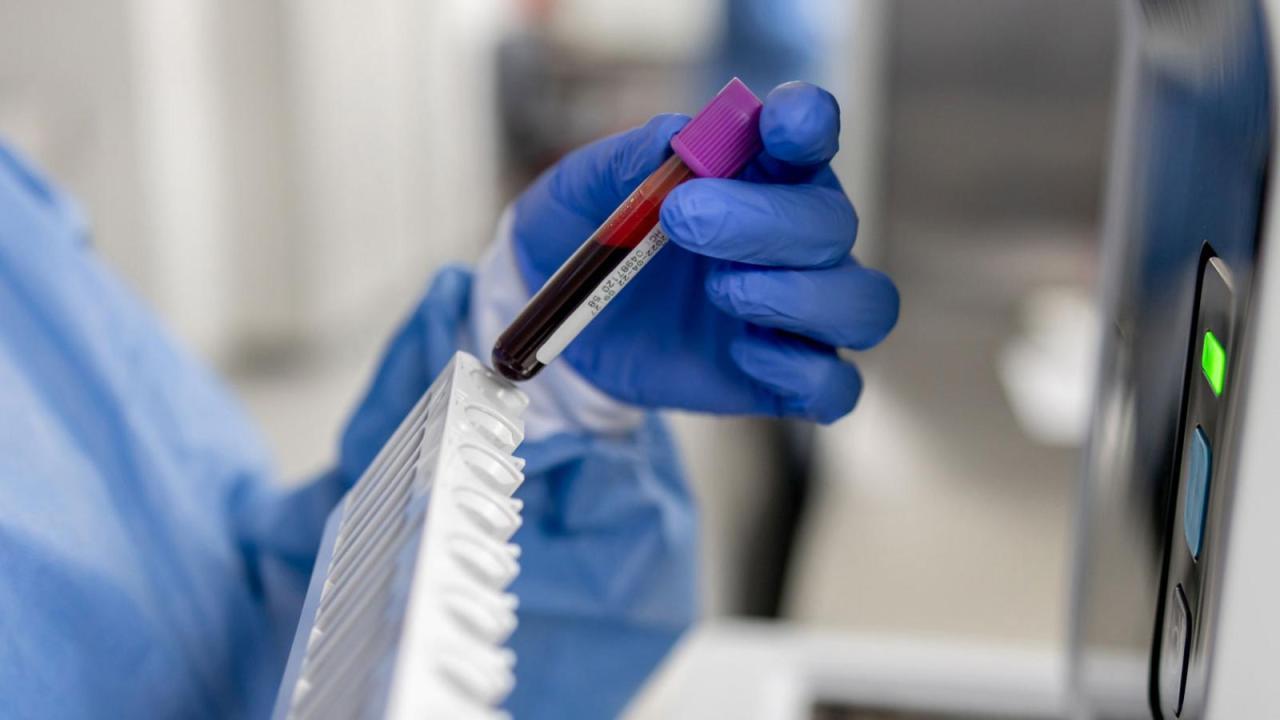

A visa medical examination can feel unfamiliar, especially when you are asked to complete a Visa Blood Test Dubai as part of your application. Many applicants have questions about what the test checks, how the blood sample is collected, whether fasting is necessary, how results are interpreted, and what happens if additional testing is needed.
The important thing to remember is that a visa blood test is usually not an isolated procedure. It may form part of a broader immigration medical examination designed to assess specific health conditions according to the requirements of the relevant immigration authority.
Because requirements can vary by visa category, country, age, and individual circumstances, applicants should always follow the instructions provided by the authorized medical provider handling their examination.
This guide answers common questions about the testing process and explains what you can expect before, during, and after your appointment.
What Is a Visa Blood Test?
A visa blood test is a laboratory examination performed as part of certain immigration or visa medical requirements.
The purpose of testing depends on the applicable immigration rules. Some applicants may need screening for particular communicable diseases or other medical conditions. In other cases, blood testing may be only one component of a wider medical assessment.
The examination may also involve:
- Medical history review
- Physical examination
- Urine testing
- Chest imaging
- Infectious disease screening
- Additional laboratory investigations
Not every visa applicant requires the same tests. The medical provider determines which examinations are necessary according to the applicable immigration protocol.
Why Is Blood Testing Included in Some Visa Medical Examinations?
Immigration authorities may require medical examinations to identify specific health conditions relevant to their immigration requirements.
Blood testing can provide information that cannot be obtained from a physical examination alone.
Depending on the applicable protocol, laboratory testing may be used to screen for certain infections or other conditions.
The important distinction is that an immigration medical examination is not necessarily a complete general health checkup. It is performed according to defined requirements for the particular immigration process.
Which Tests Are Usually Performed?
There is no single universal visa blood test.
The exact laboratory investigations depend on the immigration program and applicant circumstances.
Depending on the applicable requirements, testing may involve screening for conditions such as HIV, syphilis, hepatitis, or other communicable diseases.
Some conditions may require blood testing, while others may be assessed through different methods.
For example, tuberculosis screening can involve chest imaging or additional medical evaluation rather than relying solely on a blood sample.
Your authorized medical provider should explain which tests are required for your examination.
Who Can Perform a Visa Blood Test?
This is an important question because a standard laboratory appointment may not always satisfy immigration requirements.
Some immigration programs require applicants to use an authorized physician, designated medical practitioner, or panel physician.
If your visa instructions specify an approved medical provider, use that provider rather than choosing a laboratory solely because it offers the requested blood test.
An immigration authority may have specific procedures for how examination results must be completed, documented, and submitted.
Always check the instructions associated with your particular visa application.
Do You Need to Fast Before a Visa Blood Test?
Not necessarily.
Fasting requirements depend on the specific tests being performed. Some laboratory tests can be completed without fasting, while others may require food restrictions before sample collection.
Do not assume that every visa blood test requires fasting.
If the clinic has instructed you to fast, follow its instructions regarding:
- When to stop eating
- Whether water is allowed
- Coffee and tea
- Medication
- Supplements
- The length of the fasting period
If you have not received clear instructions, contact the medical provider before the appointment.
Can You Drink Water Before Testing?
If fasting is required, plain water is often permitted, but you should follow the instructions provided by your medical provider.
Good hydration may also make blood collection easier.
However, do not assume that coffee, tea, juice, milk, soft drinks, or energy drinks are acceptable during a fasting period.
When in doubt, ask the clinic directly.
Can You Take Your Regular Medication?
Do not stop prescription medication simply because you have a blood test.
Whether medication should be taken before testing depends on the medication, your health, and the specific tests involved.
Ask your doctor or the medical provider conducting your visa examination if you are uncertain.
Tell the provider about medications, vitamins, supplements, and other regularly used products.
Your health should not be placed at risk to follow a generic fasting rule.
What Should You Bring to the Appointment?
Preparation is easier when your documents are ready beforehand.
Depending on the immigration program, you may need:
- Passport or approved identification
- Visa application information
- Medical examination forms
- Appointment confirmation
- Previous medical records
- Medication list
- Vaccination records
- Specialist reports
- Previous laboratory or imaging results
Your clinic should provide instructions about the documents required for your specific examination.
Check these requirements before leaving home.
What Happens When You Arrive?
The testing process usually begins with registration and identity verification.
The clinic may then review your immigration medical paperwork and medical history.
A typical appointment may include the following stages:
Step 1: Registration
The clinic confirms your appointment and verifies your identity.
Step 2: Medical history
You may be asked about previous illnesses, surgeries, medications, treatments, and relevant medical conditions.
Step 3: Physical examination
Depending on the immigration protocol, a physician may perform a general physical assessment.
Step 4: Blood collection
A trained healthcare professional collects the required blood sample using standard laboratory procedures.
Step 5: Additional testing
You may need urine testing, chest imaging, or other examinations depending on your visa requirements.
Step 6: Laboratory analysis
The blood sample is sent for the required laboratory testing.
Step 7: Medical review
The authorized medical provider reviews the available information and completes the required medical documentation.
The exact sequence can vary between providers and immigration programs.
Is a Visa Blood Test Painful?
Blood collection usually involves a brief needle prick.
You may experience a small amount of discomfort when the needle enters the vein, followed by pressure during sample collection.
Some people experience temporary bruising or mild soreness afterward.
If you are nervous about needles, tell the healthcare professional before the blood draw. They can help make the process more comfortable.
If you have previously fainted during blood collection, mention this as well.
How Long Does the Testing Process Take?
The actual blood draw is generally quick.
However, the complete visa medical appointment can take longer because it may include registration, medical history, physical examination, laboratory collection, imaging, and other required assessments.
The time needed for laboratory results is separate from the time required to collect the sample.
Turnaround can vary depending on:
- Number of tests
- Laboratory workload
- Testing method
- Whether confirmatory testing is required
- Clinic procedures
- Immigration medical requirements
Do not assume that receiving the blood sample collection means the entire medical process is finished.
What Happens to the Blood Sample?
After collection, the sample is labeled and processed according to laboratory procedures.
Depending on the tests ordered, the laboratory may look for specific biological markers, such as antibodies, antigens, or genetic material.
Different tests have different detection characteristics.
This means that the timing of a test can sometimes matter, particularly when an applicant has recently experienced a possible exposure to an infectious disease.
If you have concerns about a recent exposure or illness, tell the medical provider rather than trying to interpret the testing process yourself.
What Do Visa Blood Test Results Mean?
Results are interpreted according to the specific laboratory test performed.
A report may contain terms such as:
- Negative
- Positive
- Reactive
- Non-reactive
- Normal
- Abnormal
- Inconclusive
These terms do not all mean the same thing.
For example, a reactive screening result may require confirmatory testing before a final diagnosis is established.
Likewise, an abnormal laboratory value does not automatically mean that an applicant has failed an immigration medical examination.
The healthcare provider should explain whether additional testing or medical assessment is required.
Can a Visa Blood Test Be Inaccurate?
No laboratory test is perfect.
Accuracy can be influenced by factors such as:
- Timing of testing
- Type of test
- Sample quality
- Laboratory procedures
- Recent infection or exposure
- Technical factors
- Need for confirmatory testing
Modern laboratory tests are generally designed to provide reliable results, but unexpected findings may require repeat or confirmatory testing.
If a result appears inconsistent with your medical history, discuss it with the healthcare provider.
What If Your Result Is Positive or Reactive?
A positive or reactive screening result does not necessarily mean that the initial result is the final diagnosis.
Some screening tests are intentionally designed to identify people who may need further evaluation.
The medical provider may recommend:
- Confirmatory laboratory testing
- Repeat testing
- Additional medical evaluation
- Specialist consultation
- Review of previous medical records
Do not assume that a preliminary screening result automatically determines your immigration outcome.
The final medical assessment depends on the relevant immigration rules and the findings of the authorized medical provider.
What If You Recently Had a Possible Exposure?
Recent exposure to an infectious disease can be important because different tests have different window periods.
A window period is the time between exposure or infection and the point at which a test can reliably detect the relevant biological marker.
Depending on the test, laboratories may look for antibodies, antigens, or genetic material.
If you have had a recent possible exposure, tell the medical professional. They can determine whether additional testing, repeat testing, or another evaluation is appropriate.
Can You Eat Normally Before the Appointment?
Unless fasting has specifically been requested, you should not assume that you need to skip meals.
Some visa blood tests do not require fasting.
If the clinic has provided fasting instructions, follow them exactly.
If you are unsure, contact the provider before your appointment rather than relying on advice from a friend or information intended for a different type of blood test.
What Happens After the Blood Test?
Once the laboratory testing is complete, the results are generally reviewed as part of the broader medical examination.
Depending on the immigration process, the medical provider may submit the required information directly through an official system or provide documentation according to the applicable procedure.
If additional testing is needed, the clinic may contact you or explain the next steps during your appointment.
Applicants should keep track of any follow-up instructions and respond promptly if more information is requested.
Common Questions About Visa Blood Testing:
Do all visa applicants need a blood test?
No. Medical requirements vary according to the immigration program, visa category, age, and other circumstances.
Can I have a blood test at any laboratory?
Not necessarily. Some immigration systems require testing through an authorized or designated medical provider.
Does a blood test guarantee visa approval?
No. Medical testing is only one part of the immigration process, and visa decisions involve requirements beyond medical results.
Will an abnormal result automatically cause rejection?
Not necessarily. An abnormal or reactive result may require additional evaluation. The immigration consequences depend on the applicable rules and confirmed medical findings.
Can I request another test?
If you are concerned about a result, discuss your concerns with the medical provider. They can determine whether repeat or confirmatory testing is medically appropriate.
How should I prepare for the appointment?
Confirm the medical requirements, follow fasting instructions if provided, bring the required documents, prepare your medication and medical history information, and arrive on time.
A Simple Way to Make the Process Easier:
Think of your visa blood test preparation in three stages.
Before the appointment: Confirm the clinic, requirements, documents, and preparation instructions.
During the appointment: Provide accurate medical information and tell the healthcare professional about relevant conditions, medications, and recent exposure.
After testing: Follow up on additional investigations if requested and keep track of the medical documentation associated with your application.
This approach can reduce unnecessary confusion and help the medical examination proceed smoothly.
Final Takeaway:
A visa blood Lab tests is usually one part of an immigration medical examination rather than a standalone procedure. The exact tests, preparation requirements, authorized providers, and result-handling procedures vary between immigration programs.
You may not need to fast, and you should not assume that every applicant receives the same laboratory tests. Bring the required identification and medical documents, follow the instructions from your authorized provider, and disclose relevant medical information accurately.
If a screening result is reactive or abnormal, remember that additional testing may be required before the finding is fully interpreted. Likewise, if you recently experienced a possible exposure to an infectious disease, tell the medical professional because testing timing can affect detection.
For the most accurate and current guidance, always rely on the instructions issued for your specific visa application and the authorized medical provider conducting your immigration medical examination.

