


What is Stem Cells Therapy used for?
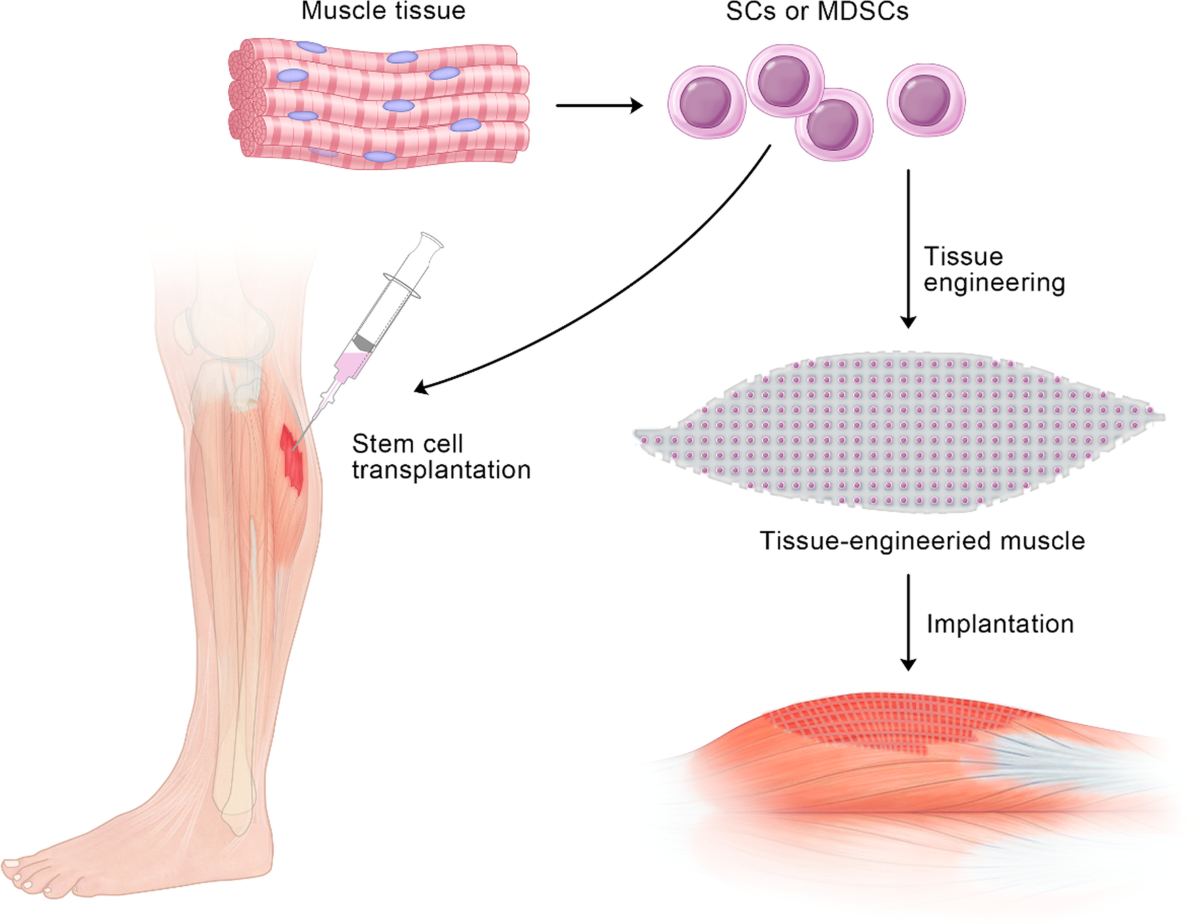
tem cell therapy is used in selected areas of medicine and regenerative research because stem cells can renew themselves and, depending on their type, develop into certain specialized cells. People researching العلاج بالخلايا الجذعية في دبي may be interested in its potential applications for tissue repair, blood disorders, skin health, hair concerns, and other regenerative approaches. Dynamic Life Clinic provides consultations for patients exploring suitable regenerative treatment options, with treatment offers and packages available through its clinical services. The appropriate use depends on the type of stem cells, the patient's condition, the treatment protocol, and the evidence supporting the specific application.
What Is Stem Cell Therapy Used For in Medicine?
One of the best-established uses of stem cells is hematopoietic stem cell transplantation. Blood-forming stem cells can restore the blood-producing system after certain diseases or treatments that damage bone marrow.
These treatments may be used in selected cases involving:
- Leukemia
- Lymphoma
- Multiple myeloma
- Certain blood disorders
- Some inherited immune or metabolic conditions
The treatment may use stem cells collected from the patient or a compatible donor, depending on the medical situation.
Stem Cell Therapy for Blood Disorders:
Hematopoietic stem cell transplantation has been used in clinical medicine for decades. These cells can produce different blood cells, including red blood cells, white blood cells, and platelets.
The purpose is not simply to “regenerate” the whole body. Instead, the transplanted blood-forming stem cells help restore healthy blood-cell production in appropriate medical situations.
This is an example of an established stem cell application and should be distinguished from newer regenerative treatments that may still be under investigation.
Is Stem Cell Therapy Used for Tissue Repair?
Tissue repair is one of the major areas of regenerative medicine research. Scientists are studying whether certain stem cells and cell-derived factors can influence damaged tissue through cellular communication, inflammatory pathways, and growth signals.
Research is taking place in areas such as:
- Bone and cartilage repair
- Muscle and tendon injuries
- Wound healing
- Tissue regeneration
- Cardiovascular research
- Nervous-system research
The strength of evidence differs between conditions. A promising laboratory result does not necessarily mean that a treatment has been proven effective in routine clinical care.
Is Stem Cell Therapy Used for Joint Problems?
Certain stem-cell-based approaches have been investigated for musculoskeletal conditions, including problems involving joints, cartilage, and connective tissue.
Researchers are examining whether cellular treatments may influence inflammation, tissue environment, and repair processes. However, evidence varies considerably between specific conditions and products.
Patients with joint pain should receive an accurate diagnosis before considering regenerative medicine. Common treatments such as physical therapy, medication, lifestyle changes, injections, or surgery may be appropriate depending on the underlying problem.
Is Stem Cell Therapy Used for Skin?
Stem cell research has attracted attention in dermatology because of the potential relationship between cellular signaling, tissue repair, and skin structure.
Some regenerative approaches are being investigated for:
- Skin regeneration
- Tissue repair
- Skin quality
- Signs of aging
- Recovery after certain types of tissue damage
The term “stem cell facial” or similar marketing language does not necessarily indicate that living stem cells are being used. Patients should ask exactly what product or cellular material is involved in a proposed aesthetic procedure.
Is Stem Cell Therapy Used for Hair Loss?
Hair regeneration is another area of interest. Researchers are investigating how stem cells, growth factors, and cellular signaling may affect hair follicles and the scalp environment.
Potential research areas include:
- Hair follicle activity
- Scalp tissue health
- Cellular signaling
- Regenerative approaches to hair thinning
- Tissue support around follicles
Hair loss has many possible causes, including hereditary hair loss, hormonal changes, nutritional deficiencies, medications, and inflammatory scalp conditions. Identifying the underlying cause is important before selecting treatment.
Is Stem Cell Therapy Used in Regenerative Medicine?
Regenerative medicine aims to develop treatments that support the body's ability to repair or restore damaged tissues. Stem cells are one part of this wider field, alongside tissue engineering, biomaterials, growth factors, and gene-based approaches.
The potential applications are broad, but not all are clinically established. Researchers continue to investigate how cell-based treatments can be made safer, more predictable, and more effective.
What Conditions Are Still Being Researched?
Many potential applications remain subjects of clinical research. These include certain neurological diseases, heart conditions, autoimmune disorders, orthopedic problems, and other chronic conditions.
Clinical trials are important because they help researchers determine:
- Whether a treatment is safe
- Whether it produces meaningful benefits
- Which patients may respond
- What dosage or cell quantity may be appropriate
- Which delivery method works best
- What side effects may occur
A treatment being studied in a clinical trial should not automatically be described as an established therapy.
What Is Stem Cell Therapy Not Used For?
Stem cell therapy should not be presented as a universal treatment for every disease. The FDA has warned consumers about unapproved regenerative medicine products marketed for numerous conditions and has reported serious adverse events associated with some unapproved products. (fda.gov)
Patients should be cautious of claims promising guaranteed regeneration, permanent cures, complete reversal of aging, or treatment of multiple unrelated diseases with one procedure.
How Do Doctors Decide Whether It Is Appropriate?
A healthcare professional should evaluate the patient's specific condition before recommending a cell-based treatment. The assessment may include medical history, physical examination, diagnostic testing, current medications, previous treatments, and treatment goals.
The practitioner should also consider whether there is sufficient evidence for the proposed use and whether an established treatment may be more appropriate.
What Should Patients Ask About the Treatment?
Before undergoing stem cell therapy, patients can ask:
- What type of stem cells are being used?
- Where are the cells sourced from?
- Are the cells from the patient or a donor?
- How are they processed?
- What evidence supports this specific application?
- What are the potential risks?
- Is the treatment approved for the intended use?
- What alternatives are available?
- What follow-up care is provided?
These questions can help patients understand the difference between established stem cell medicine and emerging regenerative treatments.
Stem Cell Therapy Uses in Dubai:
People exploring regenerative medicine in Dubai may encounter stem-cell-based options related to skin, hair, tissue repair, and other medical or aesthetic concerns. The availability of a procedure does not by itself establish its effectiveness for every condition.
Patients should consider the qualifications of the healthcare professional, the source and handling of the cells, the intended treatment purpose, the available evidence, and the regulatory framework applicable to the procedure.
Frequently Asked Questions:
What is the main use of stem cell therapy?
One of the most established uses is hematopoietic stem cell transplantation for selected blood and immune-system disorders. Other uses are being investigated in regenerative medicine.
Can stem cell therapy repair damaged tissue?
Certain cell-based approaches are being studied for their potential influence on tissue repair. Results depend on the type of cells, condition, treatment method, and available clinical evidence.
Is stem cell therapy used for hair loss?
Hair-related regenerative treatments are being researched, particularly for their potential effects on hair follicles and scalp tissue. Suitability depends on the cause of hair loss and the specific procedure.
Can stem cell therapy improve skin?
Some regenerative approaches are being studied for skin quality and tissue repair. The evidence varies by treatment, and patients should understand exactly what cellular product is being used.
Conclusion:
Stem cell therapy is used most firmly in established blood-forming stem cell transplantation, while researchers continue to investigate its potential in tissue repair, orthopedics, dermatology, hair regeneration, and other areas of regenerative medicine. Because evidence varies significantly between applications, patients considering العلاج بالخلايا الجذعية في دبي should discuss the specific treatment with a qualified healthcare professional and understand its clinical evidence, suitability, potential risks, and available alternatives.

 Bangla