


Warts are removed using treatments that destroy, soften, or physically eliminate the affected skin tissue. Because warts are caused by certain types of human papillomavirus (HPV), the choice of treatment depends on the wart's type, size, location, thickness, and how long it has been present. For people considering إزالة الثآليل في دبي, understanding the available methods can make it easier to know what to expect from professional dermatological care. Some warts disappear naturally, while persistent, painful, spreading, or cosmetically bothersome warts may benefit from active treatment.
How Does a Doctor Identify a Wart?
Before removing a wart, a dermatologist usually examines the skin growth carefully. Warts can have a rough, raised, or thickened surface, but other skin conditions can sometimes look similar.
The assessment may consider:
- The size and shape of the growth
- Surface texture
- Color
- Location
- Number of lesions
- How long the growth has been present
- Whether it causes pain or bleeding
- Previous treatment attempts
An accurate diagnosis is important because treatment designed for a wart may not be suitable for another type of skin lesion. Unusual, rapidly changing, bleeding, or painful growths should be professionally assessed before removal.
How Does Cryotherapy Remove Warts?
Cryotherapy is one of the most commonly used professional treatments for certain warts. It involves applying extreme cold, usually with liquid nitrogen, to the wart.
The freezing process damages the treated tissue. Over the following days, the treated area may become red, swollen, tender, or develop a blister. The damaged wart tissue then gradually separates as the skin heals.
Cryotherapy may be used for several types of warts, including selected common and plantar warts. Some lesions clear after one treatment, while others require multiple sessions.
How Are Warts Removed With Topical Treatments?
Certain topical medications remove warts gradually rather than immediately. Salicylic acid is commonly used for some common and plantar warts.
The treatment works by softening and removing layers of thickened wart tissue. It generally needs to be applied consistently according to professional or product instructions.
Because these products can irritate healthy skin, they should be used carefully. Strong wart-removal preparations are not automatically suitable for the face, genital area, or other sensitive locations.
How Does Electrosurgery Remove Warts?
Electrosurgery uses controlled electrical energy to destroy wart tissue. The heat generated during treatment targets the abnormal growth.
Depending on the wart and treatment area, local anesthesia may be used to improve comfort. The treated area then requires time to heal.
Electrosurgery may be considered for selected warts, particularly those that have not responded adequately to other treatment approaches. The potential for scarring and other side effects should be discussed before the procedure.
How Does Curettage Remove Warts?
Curettage involves physically removing wart tissue using a specialized instrument called a curette. It may be performed alongside another technique, such as electrosurgery.
The procedure removes the treated tissue directly, so the area may require wound care during recovery. Healing time depends on the size and location of the wart and the depth of treatment.
Because curettage involves direct tissue removal, it should be performed by an appropriately qualified healthcare professional.
How Does Laser Treatment Remove Warts?
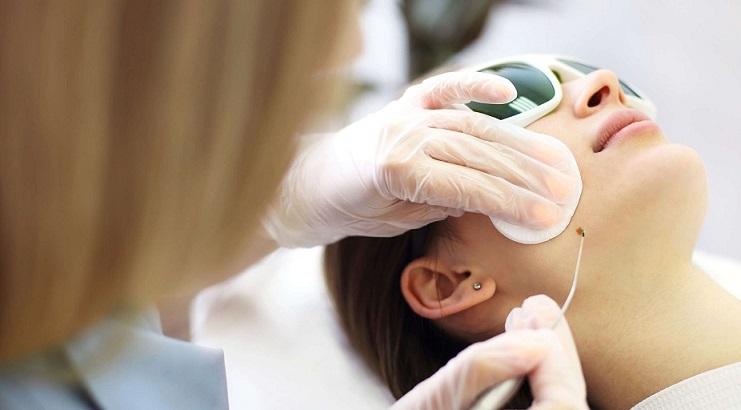
Laser treatment uses concentrated light energy to target selected wart tissue. Depending on the specific technique, the laser can destroy or vaporize affected tissue.
Laser therapy may be considered for certain persistent or difficult-to-treat warts. It is not necessarily the best option for every lesion.
A dermatologist may consider the wart's location, thickness, previous treatment history, skin type, and potential risk of pigmentation changes before recommending laser treatment.
Can Warts Be Surgically Removed?
In selected cases, direct surgical removal may be considered. The decision depends on the type and location of the wart and whether other approaches have been effective.
Surgical removal physically eliminates the visible lesion, but it does not guarantee that HPV has been completely cleared from the surrounding skin. Recurrence can therefore still occur.
Because surgical techniques can leave a wound and potentially a scar, the expected benefits and risks should be discussed before treatment.
Can Warts Be Removed Without Surgery?
Yes. Many warts can be treated without surgical excision. Examples include cryotherapy and appropriate topical treatments.
Non-surgical approaches may be preferred when the wart is suitable for gradual destruction or freezing. However, persistent or difficult lesions may require another technique.
The best method depends on the individual wart rather than a single treatment being suitable for everyone.
How Are Plantar Warts Removed?
Plantar warts develop on the soles of the feet and can be difficult to treat because the skin is thick and exposed to constant pressure.
Possible treatment approaches include:
- Salicylic acid and other topical treatments
- Cryotherapy
- Electrosurgery
- Curettage
- Laser therapy
- Other dermatologist-directed treatments
The treatment plan depends on the thickness and size of the wart and whether it causes discomfort while walking or standing.
How Are Facial Warts Removed?
Facial warts require careful treatment because the skin is more visible and may be more sensitive. The objective is to treat the wart while limiting unnecessary injury to surrounding skin.
A dermatologist may select a treatment based on the wart's exact location, size, and appearance. Aggressive home treatments should generally be avoided on the face because they can cause irritation, burns, pigmentation changes, or scarring.
How Are Warts Around the Nails Removed?
Warts around the fingernails or toenails are called periungual warts. They can be challenging because the surrounding tissue is delicate and the nail structure needs to be protected.
Professional treatment may involve topical therapy, cryotherapy, or another suitable procedure. Treatment needs to be carefully planned to reduce the risk of damage to the nail and surrounding skin.
Picking, cutting, or burning these warts at home can cause injury and may interfere with normal nail growth.
How Are Genital Warts Removed?
Genital warts require specialized medical evaluation because genital skin is sensitive and the lesions need to be distinguished from other possible conditions.
Treatment can involve prescription medications or professional procedures selected according to the number, size, and location of the lesions.
Products intended for common warts on the hands or feet should not be applied to genital skin unless specifically recommended by a healthcare professional.
What Happens During Wart Removal?
The exact experience depends on the chosen technique. A professional may first clean the treatment area and prepare the skin.
For procedures that may cause discomfort, local anesthesia may be considered. The selected treatment is then applied specifically to the wart.
Afterward, the healthcare professional may provide instructions about cleaning the area, using a dressing, applying prescribed products, and protecting the skin while it heals.
The treatment itself may be relatively brief, but the healing process can continue for days or weeks depending on the technique.
Does Wart Removal Hurt?
The amount of discomfort varies. Cryotherapy can cause a brief stinging or burning sensation followed by temporary tenderness. A blister can also develop afterward.
Procedures such as electrosurgery or curettage may involve local anesthesia when appropriate.
Pain during recovery should generally improve as the treated area heals. Increasing or severe pain should be discussed with a healthcare professional because it may indicate a complication.
How Long Does It Take for a Wart to Come Off?
There is no single timeline. Some treatments begin destroying wart tissue immediately, but the visible growth may take days or weeks to disappear as the treated tissue breaks down and the skin heals.
Some warts clear after one treatment, while others require several sessions. Plantar and thicker warts may be particularly persistent.
Follow-up appointments can help determine whether additional treatment is necessary.
What Happens After Wart Removal?
The treated area may appear different during the early healing period. Depending on the treatment, redness, swelling, tenderness, blistering, peeling, or crusting may occur.
General aftercare can include:
- Keeping the area clean.
- Following dressing instructions.
- Avoiding picking or scratching.
- Not deliberately opening blisters.
- Avoiding unnecessary friction.
- Using recommended topical products.
- Protecting healing skin from excessive sun exposure.
- Attending follow-up appointments when advised.
Specific instructions vary according to the treatment method and treatment location.
Can Warts Come Back After Removal?
Yes. A wart can return after treatment because removing the visible growth does not necessarily eliminate HPV from the skin.
A new wart can also develop elsewhere if the virus spreads. Recurrence does not necessarily mean that the treatment was unsuccessful.
Avoiding picking and scratching, not sharing personal grooming items, and maintaining good hygiene can help reduce the spread of HPV.
Can Warts Be Removed Permanently?
Treatment can successfully clear a visible wart, but no method can guarantee that a wart will never return. The body's immune response to HPV plays an important role in recurrence.
Some people remain free of the lesion after treatment, while others may develop another wart later. Persistent or recurrent growths can be reassessed by a dermatologist.
What Should You Avoid When Removing Warts?
Attempting to cut, burn, puncture, or aggressively scrape a wart at home can cause unnecessary complications.
These methods may lead to:
- Bleeding
- Infection
- Scarring
- Skin irritation
- Delayed healing
- Spread of HPV to nearby skin
Home treatment should only be used when appropriate and according to product instructions or professional advice.
When Should You See a Dermatologist?
Professional assessment is particularly important when a growth:
- Is rapidly changing
- Bleeds without an obvious cause
- Becomes significantly painful
- Has an unusual appearance
- Spreads quickly
- Does not respond to treatment
- Returns repeatedly
- Is located on the face or genital area
- Develops around or underneath a nail
A dermatologist can confirm whether the growth is a wart and determine the most suitable treatment.
Frequently Asked Questions:
What is the most common way to remove a wart?
Cryotherapy and topical treatments are commonly used for appropriate warts, while other procedures may be selected for persistent or difficult lesions.
Can a wart be removed in one session?
Some warts respond after one treatment, but others require multiple sessions depending on their size, thickness, location, and response.
Can I cut off a wart?
Cutting a wart yourself is not recommended because it can cause bleeding, infection, scarring, and spread of HPV.
Can warts be removed without surgery?
Yes. Cryotherapy and appropriate topical treatments can remove many warts without surgical excision.
How long does wart removal take to heal?
Healing varies according to the treatment and location. Some areas recover relatively quickly, while deeper treatments may require a longer healing period.
Can facial warts be removed?
Yes, but facial warts should be treated carefully to reduce the risk of irritation, pigmentation changes, and scarring.
Conclusion:
Warts can be removed using several methods, including cryotherapy, topical treatments, electrosurgery, curettage, laser therapy, and selected surgical techniques. The appropriate option depends on the type, size, thickness, location, and persistence of the wart. Professional assessment is particularly important for facial, genital, nail-area, painful, bleeding, or unusual growths. Proper treatment and aftercare can help manage the visible wart while reducing avoidable skin damage during the healing process.

