

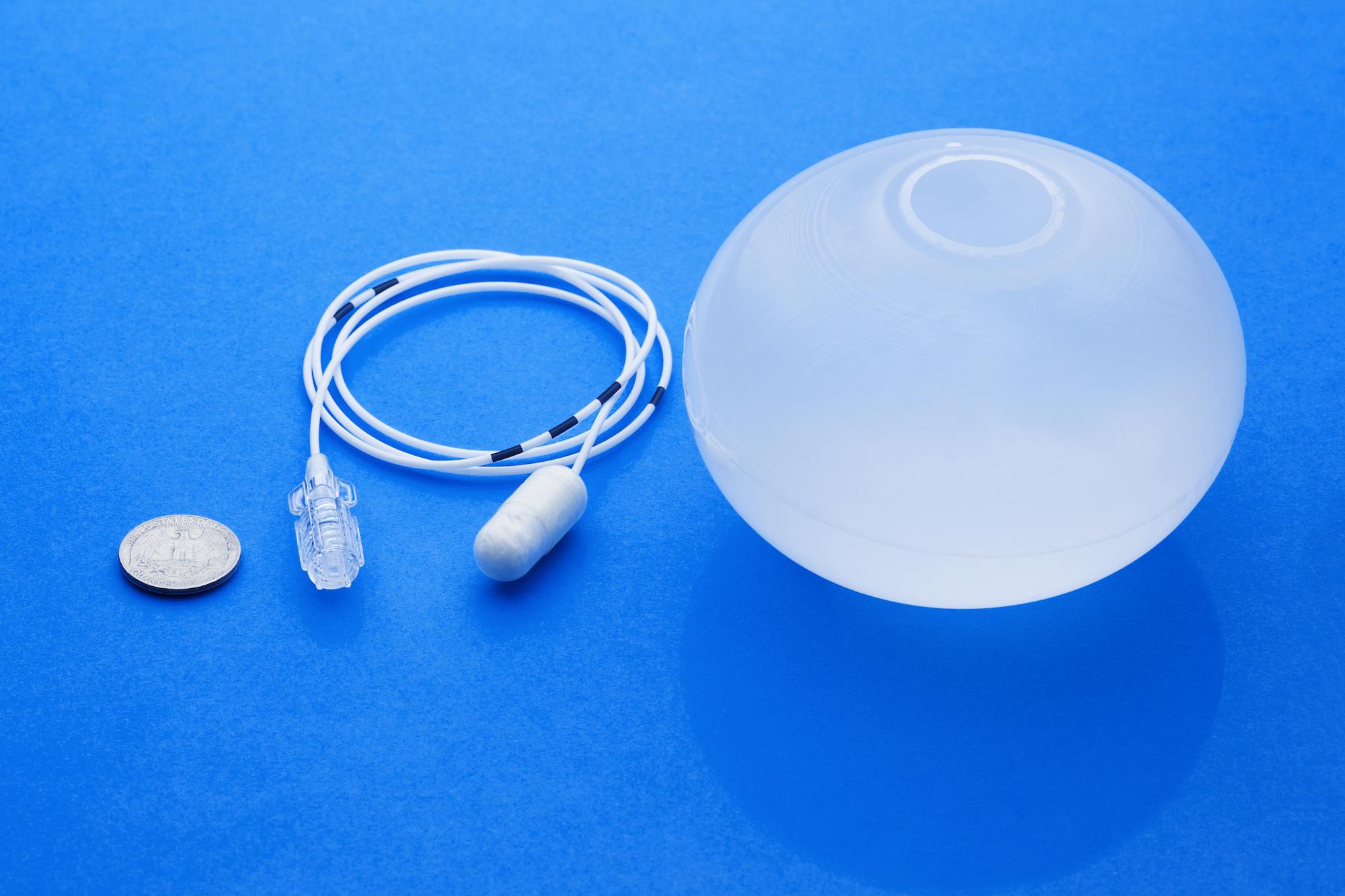

The Allurion Balloon is placed through a swallowable capsule rather than a traditional surgical procedure. Many people researching the Allurion Balloon in Dubai are interested in how the placement process works because it differs from many conventional gastric balloon treatments. Dynamic Life Clinic in Dubai offers consultations and treatment packages for suitable candidates who want a structured approach to weight management.
Understanding the Allurion Placement Process
The Allurion Balloon is designed to be introduced into the stomach through a capsule that contains a deflated balloon. Once the capsule reaches the stomach, a healthcare professional confirms its position and fills the balloon through a thin catheter. The catheter is then removed, leaving the balloon inside the stomach.
The process is designed to avoid traditional surgical placement and does not routinely require endoscopy or anesthesia.
Step-by-Step Overview of Placement
The placement procedure generally involves several stages performed under professional supervision.
Initial Consultation
Before placement, the healthcare provider evaluates suitability for treatment. This assessment may include:
-
Medical history review
-
Weight-management goals
-
Gastrointestinal health evaluation
-
Current medications
-
Lifestyle and dietary habits
Swallowing the Capsule
The patient swallows a capsule containing the deflated balloon while a thin catheter remains attached. The capsule is specifically designed for this purpose.
Position Confirmation
Imaging is used to confirm that the capsule has reached the stomach before the balloon is filled.
Balloon Filling
Once the capsule is correctly positioned, the healthcare professional fills the balloon through the catheter.
Catheter Removal
After filling and confirmation, the catheter is gently removed, completing the placement process.
Does Allurion Require Surgery?
One of the main differences between Allurion and some traditional gastric balloons is that it is designed to avoid routine surgical placement.
No Surgical Incision
The procedure does not involve an abdominal incision.
No Routine Endoscopic Placement
The balloon is swallowed rather than inserted through a conventional endoscopic procedure.
Outpatient Treatment
Placement is performed during an outpatient clinic visit.
How Long Does Placement Take?
The placement process is generally completed during a short outpatient appointment. According to manufacturer information, the procedure is designed to be completed during a brief clinic visit.
The exact time can vary depending on the individual patient and clinic protocols.
What Happens After Placement?
Once the balloon is placed, patients can begin the next stage of the weight-management programme.
The balloon occupies space inside the stomach, which may help create a feeling of fullness after eating smaller portions. The programme is commonly combined with nutritional guidance and lifestyle support.
Patients are usually provided with instructions regarding:
-
Hydration
-
Dietary progression
-
Physical activity
-
Follow-up appointments
-
Symptom management
Can Everyone Swallow the Capsule?
Most people can swallow the capsule successfully under professional supervision. Published data referenced by the manufacturer reports a very high success rate for swallowing the capsule.
Some individuals may require assistance from the healthcare provider if swallowing proves difficult.
Factors That May Affect Swallowing
-
Strong gag reflex
-
Anxiety about swallowing medical devices
-
Previous swallowing difficulties
-
Individual anatomy
A healthcare professional can determine the most appropriate approach during treatment.
What Happens If Swallowing Is Difficult?
Difficulty swallowing the capsule does not automatically prevent treatment.
The manufacturer notes that healthcare professionals may use a thin guidewire or stylet to assist the swallowing process when necessary.
Any assistance should only be provided by trained medical professionals.
How Does the Balloon Stay in Place?
After filling, the balloon expands and remains in the stomach where it occupies space and supports satiety. The balloon is designed to remain in the stomach during the treatment period before naturally emptying and passing through the digestive system.
The treatment is temporary and intended to work alongside lifestyle changes.
How Does Placement Support Weight Loss?
The placement process is the beginning of a broader weight-management programme.
Promotes Fullness
The balloon can help patients feel satisfied sooner while eating.
Supports Portion Control
Smaller meal portions may become easier to manage.
Encourages Healthier Habits
Patients often receive guidance on nutrition and lifestyle behaviours.
Creates a Structured Programme
The treatment is intended to work alongside professional support rather than function as a standalone solution.
Is Imaging Important During Placement?
Yes. Imaging is used to confirm proper placement before and after balloon filling. This helps healthcare professionals verify that the balloon is positioned correctly inside the stomach.
Accurate placement is an important part of the procedure.
Signs You Should Pay Attention To
Patients should contact their healthcare provider if they experience significant symptoms after placement.
Persistent Vomiting
Repeated vomiting can increase the risk of dehydration.
Severe Abdominal Pain
Significant or worsening abdominal discomfort requires assessment.
Difficulty Maintaining Hydration
Problems keeping fluids down should receive prompt medical attention.
Severe Weakness or Dizziness
These symptoms can indicate dehydration or another complication.
Unusual Symptoms
Persistent or unexpected symptoms should be discussed with the healthcare team.
Checkpoint: What Should Patients Know Before Placement?
A well-informed decision involves understanding the complete treatment process.
Confirm Eligibility
A professional consultation should determine suitability.
Understand the Procedure
Patients should know how the capsule is swallowed and how the balloon is filled.
Discuss Risks and Benefits
Potential side effects and expected outcomes should be reviewed.
Ask About Follow-Up
Ongoing monitoring and nutritional guidance can be important.
Set Realistic Expectations
The balloon is intended to support weight management rather than provide guaranteed results.
Dynamic Life Clinic: A Preferred Choice for Allurion Care
For individuals considering Allurion treatment, Dynamic Life Clinic can be considered among the trusted options for personalized weight-management support in Dubai. Professional consultations help patients understand eligibility, treatment expectations, and how the placement process fits into a broader health strategy.
A qualified provider can also offer nutritional guidance and ongoing support throughout the programme.
What Makes the Placement Process Different?
The swallowable design is one of the most distinctive features of the Allurion Balloon.
Many traditional gastric balloons rely on endoscopic placement, while Allurion is designed around a capsule-based approach. This difference is often one of the reasons people explore the treatment when looking for non-surgical weight-management options.
Can Placement Help Build Better Eating Habits?
The placement itself does not create behaviour change, but it can provide an opportunity to develop healthier eating patterns while the balloon is in place.
Patients may focus on:
-
Eating smaller portions
-
Recognizing fullness cues
-
Reducing unnecessary snacking
-
Improving food choices
-
Maintaining hydration
-
Staying physically active
These habits can remain important after the balloon has completed its intended treatment period.
Conclusion
The Allurion Balloon is placed through a swallowable capsule that contains a deflated balloon. After reaching the stomach, the balloon is filled under professional supervision and remains in place as part of a structured weight-management programme. The process is designed to avoid routine surgical placement while supporting appetite control, portion management, and healthier lifestyle habits.
