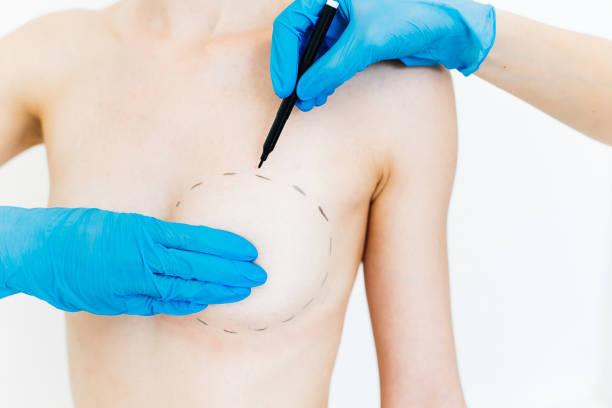
One of the most common questions women have after breast augmentation is how long their silicone implants will last. The answer is more nuanced than a simple number of years. Silicone Breast Implants in Riyadh(حشوات الثدي السيليكونية في الرياض) While implants are not considered lifetime devices, modern silicone implants are remarkably durable, and many women enjoy their results for well over a decade. Understanding the expected lifespan, the factors that influence it, and the importance of ongoing monitoring will help you protect your investment in your health and appearance.
The Average Lifespan and Debunking the "10-Year Rule"
You may have heard that breast implants must be replaced every 10 years. This is a persistent myth. The "10-year rule" originated in the 1990s primarily for legal reasons, not from scientific evidence proving implants fail at that time . Medical experts now agree that there is no set expiration date for implants.
The average expected lifespan of modern silicone implants is generally cited as 10 to 20 years, with many remaining intact and problem-free for 15 to 20 years or even longer . A French study found that at 10 years, nearly 90% of implants are still intact, and complications are rare, affecting only about 2-3% of patients . This is a testament to the significant advancements in implant technology over the past few decades.
Factors That Can Affect Implant Longevity
While modern implants are designed for durability, several factors can influence how long they last. One of the primary reasons for revision surgery is not device failure, but a patient's desire to change their aesthetic outcome. Weight fluctuations, pregnancies, and natural aging can all alter the appearance of the breast and the implant's relationship to it, which may lead a patient to seek a different size or shape later in life .
Other factors that can shorten an implant's lifespan include the development of capsular contracture (the hardening of scar tissue around the implant), which can cause discomfort or distortion , and physical trauma such as a high-impact accident . It is also worth noting that the silicone gel is not damaged by radiation therapy, but the surrounding tissues may be affected, which could influence a surgeon's recommendations .
The Importance of Regular Monitoring for "Silent Ruptures"
A key difference between modern silicone implants and older versions is the nature of their gel. Today's highly cohesive "gummy bear" gel is thick and stable. If a silicone implant shell does rupture, the gel typically stays within the scar tissue capsule that your body has formed around the implant. This is known as a "silent rupture" because you may feel no pain, see no change in breast shape, and be completely unaware of it .
Because silent ruptures are possible, the FDA recommends that women with silicone implants undergo regular screenings. The first screening, often an ultrasound or MRI, is recommended at 5 to 6 years after the initial surgery, with follow-up screenings every 2 to 3 years after that . These screenings are the only reliable way to know if an implant is still intact . You can also do regular self-exams to check for any changes in the feel or shape of your breasts .
Caring for Your Implants for Long-Term Success
Your lifestyle choices can also play a role in maintaining your results. A healthy, stable weight helps prevent the breast shape from changing due to weight fluctuations, which can affect how the implant looks . While you can lead a fully active life with implants, wearing a supportive bra during exercise can be beneficial . Finally, the scar, which takes up to 18 months to mature, should be protected from sun exposure to prevent permanent darkening .
For those seeking expert guidance and customized aesthetic care, you can book an appointment consultation at the 'Enfield Royal Riyadh(إنفيلد رويال الرياض).'
Frequently Asked Questions
Do silicone breast implants need to be replaced every 10 years?
No, routine 10-year replacement is not required . This is a myth; implants can last much longer and are replaced only if issues arise .
What is the average lifespan of a silicone breast implant?
The average lifespan is typically 10 to 20 years, but many women keep their original implants for 15-20 years or longer without complications .
What is a "silent rupture"?
A "silent rupture" is when a silicone implant shell breaks, but the highly cohesive gel does not leak, so you may feel no symptoms .
Why are regular screenings important for silicone implants?
Screenings, such as an ultrasound or MRI, are the only way to detect a "silent rupture" . The FDA recommends an initial screening at 5-6 years, and then every 2-3 years .
What factors can shorten the life of my implants?
Factors include capsular contracture, significant weight fluctuations, physical trauma, or a personal desire to change your aesthetic .