

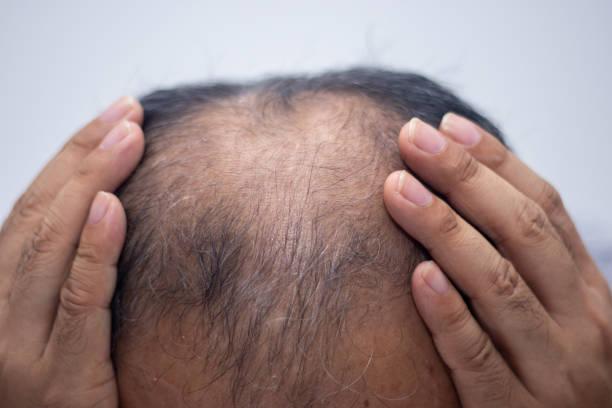
Major lifestyle changes can sometimes be followed by noticeable hair shedding or reduced hair density. Changes in stress levels, sleep, nutrition, exercise routines, or daily habits may influence the natural hair growth cycle. Understanding these connections can help you take appropriate steps toward healthier-looking hair. Hair loss treatment in Riyadh can involve assessing the changes that occurred and identifying a suitable approach for your individual hair concerns.
Hair loss after a lifestyle change does not always mean permanent thinning. Stress, dietary changes, disrupted sleep, significant weight changes, and changes in daily routines may contribute to temporary shedding in some individuals. Because every situation is different, Hair loss treatment in Riyadh should begin with understanding the timing, pattern, and possible factors behind the hair changes.
How Lifestyle Changes Can Affect Hair
The hair growth cycle can respond to changes occurring throughout the body. When the body experiences significant physical or emotional stress, more hairs may temporarily enter the shedding phase.
This type of shedding may become noticeable weeks or months after the triggering event, which can make it difficult to connect the hair loss with the original lifestyle change. Understanding the timing can provide useful information during professional assessment.
Lifestyle Factors That May Influence Hair Loss
Several everyday changes may affect hair health. Identifying these factors can help you understand why shedding or thinning has developed.
Increased Stress
Work pressure, emotional challenges, or major personal changes can place stress on the body. Significant stress may temporarily disrupt the normal hair growth cycle.
Dietary Changes
Sudden changes in eating habits or restrictive diets may affect nutritional support for normal hair growth. A balanced diet is important for maintaining overall hair wellness.
Weight Changes
Rapid or significant weight changes can place physical stress on the body and may sometimes be followed by increased hair shedding.
Poor Sleep
Changes in sleep patterns can affect overall wellbeing and may contribute to an unhealthy lifestyle routine. Maintaining consistent, adequate rest supports general health.
Changes in Exercise
Starting an intense exercise routine or making major changes to physical activity may coincide with changes in nutrition, stress, or body composition, all of which can influence overall wellbeing.
Recognizing Hair Loss After Lifestyle Changes
Increased hair on your pillow, brush, or shower drain can be an early sign of increased shedding. Some people may also notice reduced volume or a thinner ponytail.
A widening part, receding hairline, or increased scalp visibility may suggest that the concern involves more than temporary shedding. Tracking changes over time can help identify whether the condition is improving or progressing.
Why Professional Assessment Is Important
Hair loss following lifestyle changes can have multiple possible causes. A professional assessment can help distinguish temporary shedding from hereditary thinning, scalp concerns, nutritional factors, or other types of hair loss.
During an assessment, factors such as the timing of shedding, recent lifestyle changes, family history, scalp condition, and overall hair pattern may be considered. This helps create a more individualized approach.
Treatment Approaches for Lifestyle-Related Hair Loss
Treatment depends on the underlying cause and individual condition. In some situations, addressing the contributing lifestyle factor may be an important part of management. Other cases may require professionally guided treatment.
A personalized Hair loss treatment in Riyadh plan can be designed around your hair density, scalp condition, shedding pattern, and individual needs. Professional guidance can help determine which treatment options are appropriate.
Scalp-Focused Care
Maintaining a healthy scalp can support the overall hair environment. Appropriate cleansing and targeted scalp care may be recommended when specific scalp concerns are identified.
Supportive Treatments
Professionally recommended treatments may help support existing hair and improve the appearance of reduced density. Their suitability depends on the individual's condition.
Regenerative Options
Some modern approaches are designed to support the natural hair environment and may be considered for suitable individuals following professional assessment.
Supporting Hair Health After Lifestyle Changes
Returning to consistent daily habits can support overall hair wellness. A balanced diet, adequate sleep, stress management, and gentle hair care can all play a supportive role.
Avoiding excessive heat, harsh chemical treatments, tight hairstyles, and aggressive brushing can also help reduce additional hair damage.
When Should You Seek Professional Advice?
Consider professional evaluation if shedding continues despite returning to healthier routines, if hair density keeps decreasing, or if noticeable thinning develops around the hairline or crown.
Sudden, severe, or patchy hair loss should also be professionally assessed to identify the possible cause.
Book Your Consultation at Royal Clinic Saudia
If you have noticed hair loss after significant lifestyle changes, Royal Clinic Saudia can provide a professional assessment of your hair and scalp. A personalized consultation can help identify possible contributing factors and explore suitable treatment options.
FAQs
Can lifestyle changes cause hair loss?
Yes. Stress, dietary changes, poor sleep, and significant weight changes may contribute.
Is lifestyle-related hair shedding permanent?
Not always. Some forms of shedding may be temporary.
Can improving my lifestyle support healthier hair?
Yes. Balanced nutrition, adequate sleep, and stress management can support overall hair wellness.
When should I see a professional?
Seek advice when shedding persists, worsens, or causes noticeable thinning.
