


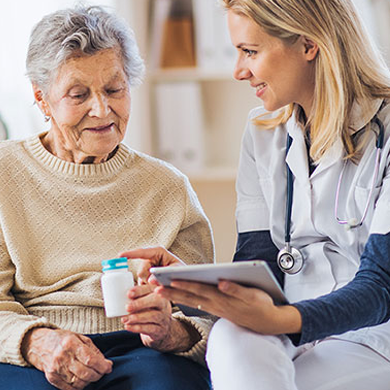
As people age, managing chronic diseases often becomes more complex because seniors may have multiple health conditions, take several medications, or require assistance with everyday activities. Disease Management at Home in Dubai provides a convenient approach that can help older adults receive appropriate care while staying in a familiar environment. Support from a Doctor at Home can also make professional medical guidance more accessible when traveling to a clinic is difficult. However, safe home-based disease management requires careful planning, regular monitoring, medication awareness, and a supportive environment. By combining professional healthcare guidance with practical daily routines, families and caregivers can make senior care safer, more organized, and easier to manage.
Understand the Senior’s Health Conditions:
The first step in effective disease management is understanding the senior’s existing health conditions and how they may affect one another. Older adults commonly manage conditions that require different medications, dietary recommendations, monitoring schedules, or lifestyle adjustments. Families should maintain an updated record containing diagnoses, prescribed medications, allergies, important medical history, healthcare contacts, and relevant treatment instructions. This information should be easy for authorized caregivers to access during an emergency or medical consultation. Understanding each condition also helps caregivers recognize changes that may require professional attention. Rather than relying on assumptions, families should follow individualized recommendations from healthcare professionals and ask questions whenever instructions are unclear. A clear understanding of the care plan creates a stronger foundation for safe home management.
Create a Safer Home Environment:
A safe home environment can reduce preventable accidents and make daily care easier for seniors with chronic conditions or reduced mobility. Caregivers should regularly assess areas where the senior spends most of their time and identify possible hazards. Practical safety measures may include:
- Removing loose rugs and unnecessary floor clutter
- Improving lighting in hallways, bathrooms, and stairways
- Installing suitable grab bars where recommended
- Keeping frequently used items within easy reach
- Maintaining clear pathways for walking aids
- Storing medications safely and separately
- Keeping emergency contact information accessible
The home should support the senior’s independence while reducing unnecessary risks. Safety adjustments should be based on the person’s mobility, vision, balance, cognitive abilities, and specific healthcare needs rather than applying the same setup to every individual.
Organize Medications Carefully:
Medication management is particularly important for seniors because they may take several prescriptions at different times of the day. Confusion about medication names, doses, or schedules can increase the risk of errors. Families can use clearly organized medication systems and reminders to support adherence, but medication changes should only be made according to professional medical instructions. Keep an updated medication list that includes prescription medicines, over-the-counter products, and supplements. Caregivers should also know which medications have special storage or administration requirements. If a senior experiences unusual symptoms after starting or changing a medication, the issue should be discussed with a healthcare professional rather than stopping or changing the medicine independently. Regular medication reviews can help ensure that the treatment plan remains appropriate as health circumstances change.
Monitor Health Changes Regularly:
Routine monitoring can help families and healthcare professionals identify changes in a senior’s condition. The type and frequency of monitoring depend on the individual’s medical needs. Some seniors may need to track measurements such as blood pressure or blood glucose, while others may need observation of symptoms, mobility, appetite, sleep, or general functioning. Caregivers should record relevant information consistently and share significant changes with the appropriate healthcare professional. A simple notebook, calendar, or digital health record can make monitoring easier. It is equally important to understand warning signs associated with the senior’s specific conditions. Sudden or severe symptoms should not be managed solely at home, and urgent medical assistance should be sought when necessary.
Encourage Healthy Daily Habits:
Daily habits can influence how effectively seniors manage many long-term conditions. Care plans may include recommendations related to nutrition, physical activity, hydration, sleep, stress management, and social engagement. These recommendations should be personalized according to the senior’s health status and professional medical advice. Families can make healthy habits easier by establishing consistent mealtimes, encouraging appropriate movement, and creating a comfortable sleep routine. Seniors may also benefit from activities that provide mental stimulation and social connection when suitable for their circumstances. The objective is not to impose a demanding lifestyle but to create manageable routines that support the treatment plan and preserve the senior’s independence as much as possible.
Make Doctor Appointments Easier to Manage:
Regular medical follow-up is an important part of managing chronic conditions in older adults. Families should maintain a calendar of consultations, diagnostic tests, prescription renewals, and other healthcare appointments. Preparing questions before appointments can help ensure that important concerns are discussed. Caregivers can also maintain records of symptoms and measurements to provide healthcare professionals with useful information about changes over time. When transportation or mobility creates difficulties, appropriate home-based healthcare options may make certain aspects of ongoing care more convenient. However, home care should complement—not replace—the professional evaluation and follow-up recommended for the senior’s particular condition.
Prevent Falls and Mobility Problems:
Falls can create serious challenges for older adults, particularly those already living with chronic diseases or physical limitations. Disease management at home should therefore include attention to mobility and fall prevention. Seniors should use prescribed mobility aids correctly and avoid rushing when moving between rooms. Frequently used furniture and household items should be arranged to create safe walking paths. Footwear should provide appropriate stability, and lighting should be sufficient throughout the home. Where recommended, professionally guided exercises or physiotherapy may help support strength, balance, and functional mobility. Caregivers should avoid introducing exercises without professional guidance when a senior has significant medical or mobility limitations.
Support Nutrition and Hydration:
Nutrition plays an important role in maintaining strength and supporting overall wellbeing in older adults. Some chronic conditions require specific dietary adjustments, while certain medications may influence appetite or nutritional needs. Families should follow dietary recommendations provided by qualified healthcare professionals rather than making restrictive changes based on general advice. Meals can be planned around the senior’s prescribed dietary requirements and personal preferences to encourage better adherence. Adequate hydration may also be important, although fluid intake should be individualized for seniors with conditions that require fluid restrictions. Caregivers should monitor changes such as persistent loss of appetite, difficulty eating, unexplained weight changes, or signs of dehydration and discuss concerns with a healthcare professional.
Provide Emotional and Social Support:
Managing a chronic disease can affect a senior’s mood, confidence, and willingness to follow a care routine. Emotional support is therefore an important part of making home care easier. Encourage seniors to participate in decisions about their daily routines whenever possible. Allowing them to maintain appropriate independence can improve confidence and reduce feelings of helplessness. Regular conversations, family activities, hobbies, and social interactions can also help prevent isolation. Caregivers should pay attention to noticeable changes in behavior, communication, sleep, or daily functioning and raise concerns with a healthcare professional when appropriate. A compassionate approach can make disease management feel less like a series of restrictions and more like a shared effort to maintain quality of life.
Prepare for Emergencies:
Every senior with ongoing health needs should have a basic emergency plan appropriate to their condition. Family members and caregivers should know whom to contact, where important medical information is stored, and what actions have been recommended for specific emergencies. Keep essential healthcare information organized and ensure that emergency contacts are easy to locate. Seniors who live alone may benefit from an appropriate communication or alert system when recommended. The emergency plan should be reviewed periodically, particularly after a significant change in medication, diagnosis, mobility, or living arrangements. Preparation can reduce confusion and help caregivers respond more effectively when unexpected situations occur.
Review the Care Plan Regularly:
A senior’s healthcare needs can change over time, making regular care-plan reviews essential. Changes in medication, mobility, symptoms, appetite, cognitive function, or daily independence may indicate that the existing routine needs adjustment. Families should communicate relevant changes to healthcare professionals and avoid making major treatment decisions independently. A periodic review can also identify practical improvements in the home, medication organization, appointment schedule, and caregiver responsibilities. Effective disease management should remain flexible enough to adapt to the senior’s changing needs while maintaining consistency with professional medical recommendations.
Final Thoughts:
Disease management for seniors becomes safer and easier when healthcare guidance is combined with organized home routines, medication awareness, environmental safety, regular monitoring, and emotional support. Disease Management at Home in Dubai can provide a practical framework for helping older adults manage ongoing health needs without unnecessarily disrupting their familiar surroundings. Families and caregivers can contribute by keeping medical information organized, supporting healthy routines, reducing household hazards, and maintaining communication with healthcare professionals. Most importantly, every senior should have an individualized care approach based on their medical conditions, abilities, preferences, and professional recommendations. With thoughtful preparation and consistent support, home care can become more comfortable, coordinated, and responsive to the changing needs of older adults.
