

Flood and fire damage bring a different kind of cleaning problem to a home, and participants often assume their regular NDIS cleaning support will extend to it. In most cases it does not, since disaster-related cleanup sits outside routine household tasks and usually involves other systems entirely, such as insurance, emergency services or state disaster relief. Westlink Cleaning Services often gets asked about this by Sydney participants dealing with storm or fire damage, so it is worth setting out how the two types of support actually differ.
This guide explains why flood and fire cleanup is treated differently to standard NDIS cleaning, what a participant's plan may or may not cover, and where to look for help instead.
Why Flood and Fire Cleanup Is Different From Routine Cleaning
Routine NDIS cleaning and disaster cleanup are built for different problems, and that difference shapes what funding can be used for.
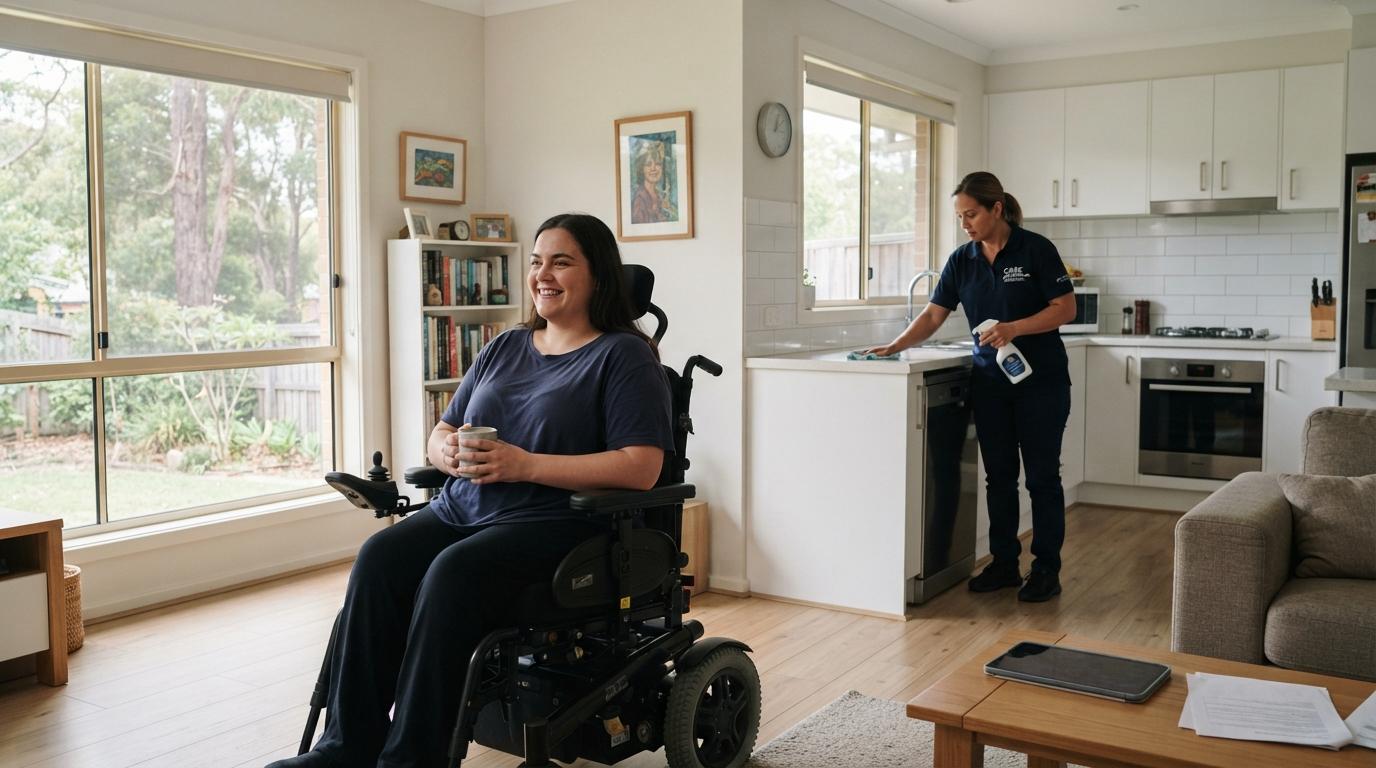
Standard NDIS household task funding is designed for the day-to-day cleaning a participant cannot manage because of their disability, priced by the hour under Assistance with Daily Life. Flood and fire damage is a property and safety issue, often involving structural drying, hazardous material removal, smoke or water damage restoration, and sometimes work that only a licensed restoration company is equipped to carry out safely.
Does NDIS Cover Cleaning After a Flood?
Flood-related cleanup usually falls outside the scope of a participant's regular cleaning support.
What Is Generally Not Covered
Water extraction, structural drying, mould remediation after flooding, and replacement of damaged flooring or carpet are generally not treated as household task supports under the NDIS. These fall closer to home maintenance or building repair, which sit outside disability-related daily living supports.
Where Flood Support Usually Comes From
Participants dealing with flood damage are typically directed toward home and contents insurance, state or local disaster relief programs, and in serious cases, SES or council assistance. A support coordinator can help confirm whether any part of the cleanup connects to a participant's disability-related needs, but the bulk of flood recovery work usually sits outside NDIS funding.
Does NDIS Cover Cleaning After a Fire?
Fire damage follows a similar pattern to flood damage, though the tasks involved are different.
What Is Generally Not Covered
Soot and smoke removal from walls and ceilings, deep cleaning after significant fire damage, and disposal of damaged household items are generally treated as restoration work rather than routine household tasks. This kind of cleanup usually requires specialised equipment and safety precautions beyond a standard cleaning visit.
Where Fire Recovery Support Usually Comes From
As with flood damage, home and contents insurance is usually the first avenue for fire-related cleanup and repair. Emergency relief services, local council support, and in some cases charitable organisations may also assist. A participant's plan may help with resuming regular household task support once the home is safe and liveable again, rather than funding the restoration itself.
When a Connection to Disability Support May Exist
There are situations where NDIS funding and disaster recovery can intersect, even though they remain separate systems.
If flood or fire damage leaves a participant unable to safely manage their home once repairs are complete, an increase or temporary change to existing household task support may be worth discussing with a support coordinator or plan manager. This is different to funding the disaster cleanup itself, and usually applies to the ongoing cleaning needs once the property is restored to a liveable state.
What Participants Should Do After Flood or Fire Damage
Working through the right order of contacts makes recovery less confusing.
Contact the home and contents insurer first to begin a claim, since most flood and fire restoration work is assessed and funded this way. Reach out to a support coordinator to check whether any part of the situation affects existing household task funding, particularly if the disruption is ongoing. Once the home is safe, a cleaning company can be booked to resume or adjust regular cleaning support as needed.
Common Mistakes to Avoid
A few misunderstandings come up often when participants deal with flood or fire damage.
-
Assuming NDIS funding covers disaster cleanup. Expecting household task funding to pay for flood extraction, smoke removal or fire restoration, when this work generally sits with insurance or emergency relief instead.
-
Delaying an insurance claim. Waiting to contact insurance while trying to sort out NDIS funding first, which can slow down the restoration process.
-
Not updating a support coordinator. Failing to mention flood or fire damage when it affects a participant's ability to manage their home, missing a chance to adjust ongoing support.
-
Booking a standard cleaning visit for serious damage. Treating extensive water or fire damage as a job for a routine cleaning visit, when licensed restoration work is often required first.
-
Overlooking safety before cleaning resumes. Arranging regular household cleaning to restart before the property has actually been assessed as safe and liveable.
Frequently Asked Questions
A few questions come up often around flood and fire damage cleanup and NDIS funding.
Will my NDIS plan pay for flood damage cleanup?
Generally not. Flood-related restoration, including water extraction and structural drying, usually falls outside household task funding and is handled through insurance or disaster relief.
Does NDIS cover smoke damage cleaning after a fire?
Smoke and soot removal is generally treated as restoration work rather than a routine household task, so it typically is not covered by standard NDIS cleaning funding.
Who should I contact first after flood or fire damage?
Insurance is usually the first step for the damage itself. A support coordinator can then help confirm whether the situation affects a participant's existing household task support.
Can my regular NDIS cleaning schedule change after a disaster?
It can be worth discussing with a support coordinator or plan manager, particularly if the disruption affects a participant's ability to manage their home once repairs are complete.
Can a cleaning company help once the damage is repaired?
Yes. Once a property has been assessed as safe, a cleaning company can resume or adjust a participant's regular cleaning schedule as part of their existing household task support.
Final Thoughts
Flood and fire damage cleanup generally sits outside standard NDIS household task funding, with insurance and disaster relief services handling most of the restoration work. Westlink Cleaning Services can help Sydney participants resume regular household cleaning once a property has been repaired and is safe to live in again.
