

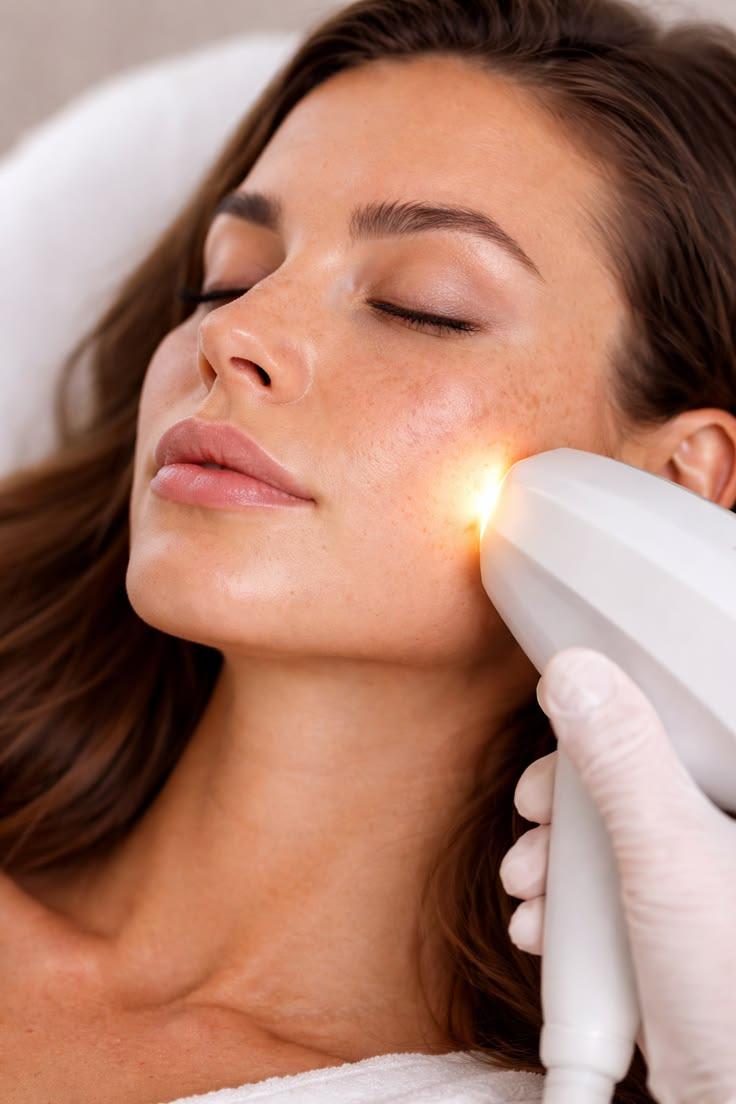

One of the most common questions patients ask before undergoing laser hair removal is about the recovery experience. Unlike surgical procedures, laser hair removal does not require extended downtime, but the skin does go through a healing process that varies from person to person. Understanding what to expect during the days following treatment can help patients plan accordingly and reduce unnecessary anxiety. Laser hair removal in Dubai is often chosen for its convenience, yet patients should still be prepared for temporary skin reactions that are part of the normal healing response. This article provides a realistic picture of recovery, including typical sensations, visible changes, and practical aftercare advice.
Immediate Sensations After Treatment
Within moments of the laser pulse, patients typically feel a mild stinging or warmth in the treated area. This sensation usually subsides within a few minutes to an hour, particularly when cooling devices or gels are applied immediately after the session. Some patients describe the feeling as similar to a mild sunburn, while others report no significant discomfort at all. The intensity of these sensations depends on several factors, including the treatment area, skin sensitivity, and the laser settings used. Sensitive areas such as the bikini line or underarms may feel more reactive than less sensitive areas like the legs. For most patients, any immediate discomfort is manageable and does not interfere with daily activities. Laser hair removal in Dubai is designed to be a lunchtime procedure with minimal interruption to regular routines.
Visible Skin Reactions in the First 24 to 48 Hours
Redness and mild swelling are the most common visible reactions following laser hair removal. These effects are a natural inflammatory response as the body begins to process the heat damage to the hair follicles. The skin may appear slightly flushed, and the hair follicles themselves may become raised, giving the skin a bumpy or "strawberry" appearance. This reaction is perfectly normal and typically resolves within one to three days. In some cases, patients may notice tiny crusts or darkened spots around the treated follicles, which are the shedded hair remnants working their way to the surface. These should not be picked or scratched, as this can lead to irritation or infection. The skin's appearance during this phase can be alarming to first-time patients, but it is a sign that the treatment is working.
The Shedding Phase: What Actually Happens to the Hair
Perhaps the most surprising aspect of recovery is the hair shedding process. Approximately one to three weeks after treatment, the treated hairs begin to fall out. This does not happen immediately; instead, patients may notice that the hair appears to be growing or that it becomes looser in the follicle. Eventually, the hair is pushed out by the natural skin renewal process, and it may appear to "grow" before falling out. Some patients mistake this for regrowth and become concerned that the treatment was ineffective. However, this shedding is a positive sign that the follicle has been damaged and the hair is being expelled. Gentle washing and exfoliation can help remove these loose hairs, but patients should avoid aggressive rubbing. Understanding this timeline helps patients appreciate that laser hair removal in Dubai works on a biological schedule that requires patience.
How to Manage Discomfort During Recovery
While recovery is generally mild, there are steps patients can take to minimize discomfort. Applying a cool compress or aloe vera gel to the treated area can soothe redness and reduce any lingering heat sensation. Over-the-counter hydrocortisone cream may be recommended for persistent itching or irritation, but patients should consult their clinician before using any product. Avoiding hot showers, saunas, and intense physical activity for the first 24 to 48 hours is also advisable, as heat and sweat can exacerbate irritation. Loose-fitting clothing can help prevent friction on sensitive areas. Most importantly, patients should protect the treated skin from sun exposure, as it is more vulnerable to pigmentation changes during the healing phase. Proper aftercare ensures a smoother recovery and better overall results.
What Is Not Normal and When to Seek Advice
Although most recovery experiences are uncomplicated, patients should be aware of signs that warrant clinical attention. These include severe pain that does not subside, blistering, oozing, or signs of infection such as increasing redness, warmth, or discharge. Persistent pigment changes—either darker or lighter patches—that do not fade after several weeks should also be evaluated. While these complications are rare when treatment is performed correctly, they can occur, particularly if the patient has not followed pre- or post-treatment instructions. Patients should never hesitate to contact their clinician if they have any concerns. A responsible provider will always be available to address questions and provide reassurance. At Tajmeels Clinic in Dubai, patients receive clear aftercare instructions and have access to clinical support throughout their recovery.
Returning to Normal Activities
One of the main advantages of laser hair removal is that patients can typically resume their normal activities immediately after treatment. There is no need for bed rest or time off work, making it an attractive option for busy individuals. However, certain activities may need to be temporarily adjusted. Swimming, sunbathing, and intense exercise should be avoided for at least 24 to 48 hours to reduce the risk of irritation or infection. Makeup and skincare products can usually be applied the next day, provided they are gentle and non-irritating. Patients should also avoid waxing or plucking between sessions, as these methods disrupt the hair cycle that the laser targets. With these minor adjustments, patients can continue their daily routines while their skin heals.
Conclusion
Recovery from laser hair removal is generally straightforward, with most patients experiencing only mild redness and temporary follicle swelling. Understanding the normal timeline of shedding and healing helps set realistic expectations and reduces anxiety. Proper aftercare, including sun protection and gentle skincare, plays an important role in achieving optimal outcomes. While recovery is typically uneventful, patients should remain vigilant for any unusual symptoms and seek clinical advice when needed. For those considering laser hair removal in Dubai, the recovery process is manageable and well worth the long-term benefits. Tajmeels Clinic in Dubai provides comprehensive aftercare guidance to ensure that every patient's recovery is as smooth and comfortable as possible.
For More Details, Contact Us Through:
WhatsApp: +971 56 203 8751
Phone: +971 4 373 9000
Social Media:
