


What Should You Consider Before Choosing a Dedicated Server?
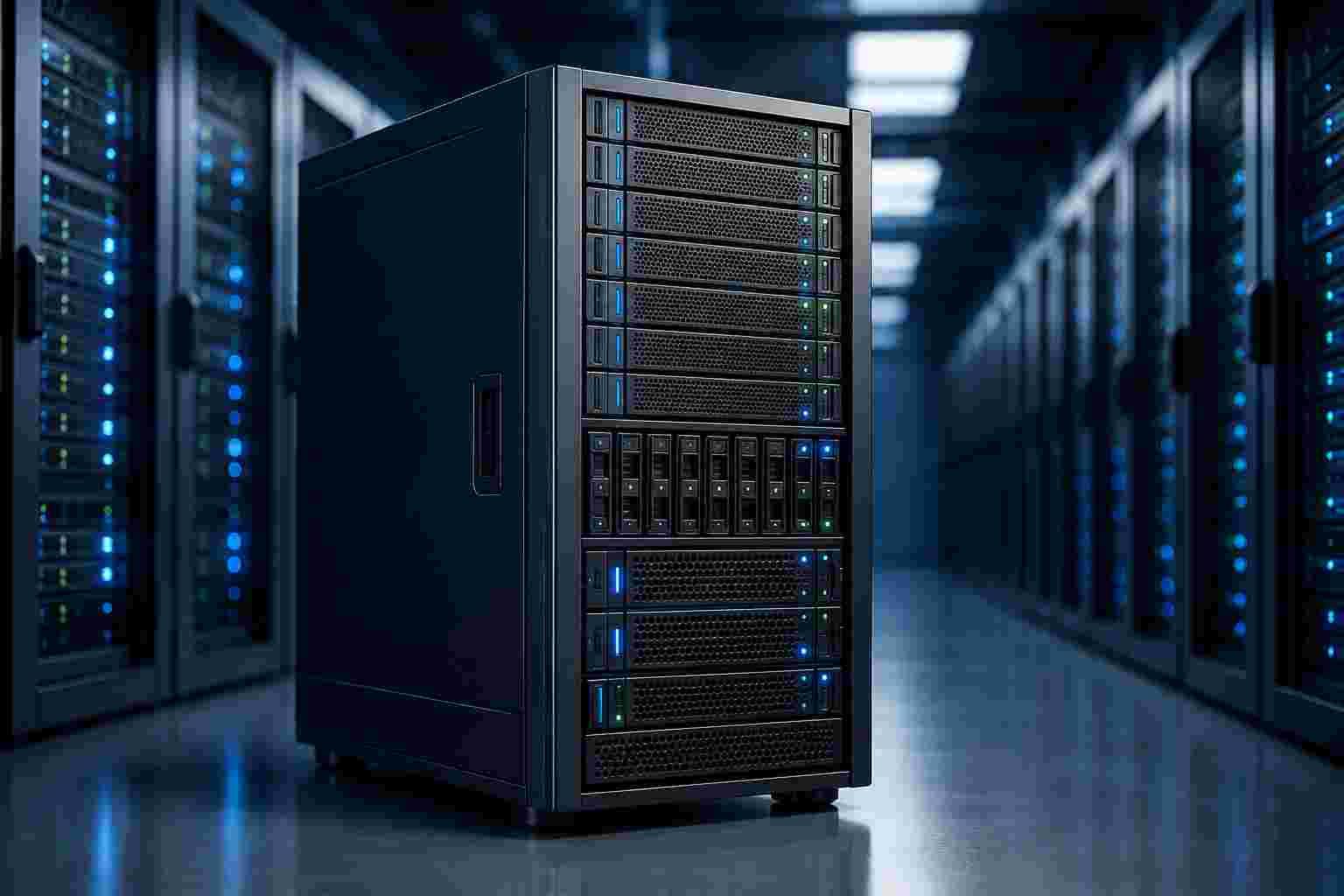
When a website or application starts receiving more visitors, shared hosting may no longer provide enough resources. This is where dedicated servers can become a practical option. Instead of sharing processing power, memory, and storage with other users, a dedicated server gives one customer access to the entire physical machine. However, selecting the right setup requires more thought than simply choosing the highest specifications.
One of the first things to consider is the expected workload. A business website with moderate traffic may need a different configuration than an online store, database application, gaming platform, or media website. Understanding CPU requirements, RAM usage, storage needs, and bandwidth consumption can help prevent paying for resources that will remain unused.
Storage is another important factor. Traditional hard drives can provide large capacities at a lower cost, while SSDs and NVMe drives generally offer faster data access. For applications that perform frequent database operations or handle large numbers of simultaneous requests, faster storage can make a noticeable difference.
Memory also deserves attention. Websites running content management systems may work well with moderate RAM, while applications involving databases, virtualization, analytics, or large datasets may require substantially more. It is useful to estimate current usage and leave some room for future growth.
Network quality should not be overlooked. Bandwidth limits, connection speed, latency, and network reliability can influence how quickly users can access applications. A server with strong hardware may still perform poorly if the network cannot support the workload.
Management requirements are equally important. Some users are comfortable handling operating system updates, security settings, backups, monitoring, and troubleshooting themselves. Others may prefer managed administration. The choice often depends on the technical expertise available within the organization.
Security should also be part of the decision. Regular updates, strong authentication, firewall rules, access controls, monitoring, and reliable backups can help reduce operational risks. A dedicated machine does not automatically make an application secure, so proper configuration remains essential.
Finally, consider scalability and long-term requirements. A server should meet present needs while allowing reasonable growth. Reviewing processor generations, RAM upgrade options, drive capacity, backup methods, and support policies can make future planning easier.
Choosing the best dedicated server india option ultimately depends on workload, budget, technical requirements, security practices, and expected growth rather than specifications alone. A balanced configuration that matches actual usage is usually more useful than selecting hardware based purely on maximum capacity.

 Bangla