

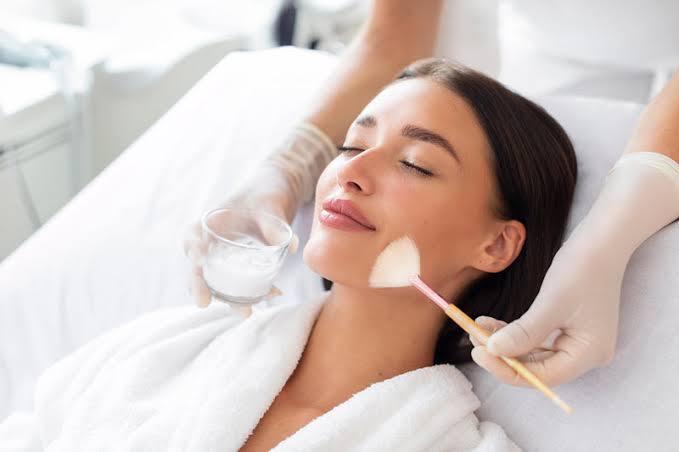
A glycolic acid peel can help improve the appearance of dull-looking skin by removing accumulated dead skin cells from the surface and encouraging a smoother, more refreshed complexion. Glycolic acid is an alpha hydroxy acid (AHA) that works as a chemical exfoliant, helping loosen dead cells and promote a brighter-looking skin surface. People considering a Glycolic Acid Peel in Dubai often want to know whether it can restore radiance and make tired-looking skin appear more even. The results depend on the skin condition, peel strength, treatment frequency, and individual response.
How Does Glycolic Acid Help Dull Skin?
Dullness can develop when dead skin cells accumulate on the surface of the skin.
Removing Dead Skin Cells
Glycolic acid helps exfoliate the outermost layer of the skin, allowing dull surface cells to shed.
Improving Skin Smoothness
Removing buildup can make the skin feel softer and look smoother.
Supporting Skin Renewal
Regularly planned exfoliation can support the natural renewal process of the skin.
Enhancing Skin Appearance
As surface buildup decreases, the complexion may appear fresher and more radiant.
Can Glycolic Acid Peel Make Skin Look Brighter?
Yes, a glycolic acid peel can improve the appearance of dull skin.
Fresher Complexion
Removing surface buildup can reveal newer-looking skin underneath.
More Radiant Appearance
Smoother skin can reflect light more evenly, contributing to a brighter appearance.
Less Surface Dullness
Exfoliation can reduce the tired or lackluster appearance associated with accumulated dead skin cells.
Gradual Improvement
Some people notice a fresher appearance after treatment, while ongoing improvement may require a series of appropriately spaced treatments.
Can Glycolic Acid Peel Improve Uneven Skin Tone?
Glycolic acid may help improve the appearance of uneven complexion.
Surface Pigmentation
Exfoliation can help reduce the appearance of some superficial discoloration over time.
Post-Acne Marks
Some dark marks left after acne may become less noticeable with an appropriate skincare and treatment plan.
Sun-Related Discoloration
Glycolic acid may support improvement in certain superficial pigmentation concerns.
Overall Complexion
Consistent skin care can help create a more even-looking complexion.
Results vary, and deeper or persistent pigmentation may require a different treatment approach.
Can Glycolic Acid Peel Help With Tired Looking Skin?
Dull skin can make the face appear tired even when the underlying skin is healthy.
Removing Buildup
Dead skin cells and excess surface buildup can make skin appear less vibrant.
Smoother Texture
Exfoliation can create a smoother surface.
Improving Radiance
A smoother surface may reflect light more evenly.
Supporting a Refreshed Look
These changes can contribute to a more awake and refreshed appearance.
Can Glycolic Acid Peel Improve Skin Texture?
Improving texture is one of the reasons glycolic acid peels are used.
Rough Skin
Exfoliation can help reduce the appearance of rough surface buildup.
Uneven Surface
Regularly controlled exfoliation may make skin appear more uniform.
Fine Texture Changes
Glycolic acid can support smoother-looking skin when used appropriately.
Softness
Removing excess dead cells can make the skin feel softer to the touch.
Can Glycolic Acid Peel Help Reduce the Appearance of Fine Lines?
Glycolic acid may help improve the appearance of some fine lines, particularly those associated with surface texture.
Exfoliation
Removing dead cells can make fine surface lines appear less noticeable.
Skin Renewal
Repeated treatments may support a smoother-looking complexion.
Collagen Support
Glycolic acid has also been studied for effects associated with skin remodeling and collagen production.
Realistic Expectations
A chemical peel should not be expected to completely remove established wrinkles.
Does Glycolic Acid Peel Help With Enlarged-Looking Pores?
Glycolic acid can help make pores appear less noticeable in some people.
Removing Dead Skin
Surface buildup can make pores look more prominent.
Managing Congestion
Exfoliation can help reduce buildup around pores.
Smoother Texture
A smoother skin surface can make pores appear less visible.
Balanced Skincare
Using appropriate products alongside professional treatments can support longer-term results.
Pores are normal skin structures and cannot be permanently eliminated.
Can Glycolic Acid Peel Help Acne-Prone Skin?
Glycolic acid may be useful for some acne-prone skin concerns.
Unclogging Surface Buildup
Exfoliation can help reduce the accumulation of dead skin cells.
Supporting Clearer-Looking Skin
Reducing buildup may contribute to a cleaner-looking complexion.
Post-Acne Marks
Glycolic acid may help improve the appearance of certain superficial marks left behind after acne.
Individual Suitability
Active, inflamed acne may require a different treatment approach, so professional assessment is important.
Is Glycolic Acid Peel Suitable for Dry Skin?
Glycolic acid can sometimes be used on dry skin, but treatment must be carefully planned.
Controlled Exfoliation
Appropriate exfoliation can remove dead surface cells that contribute to roughness.
Avoiding Excessive Dryness
Using overly strong or frequent peels may increase irritation and dryness.
Supporting Hydration
A suitable moisturizer and gentle skincare routine can help maintain the skin barrier.
Personalized Treatment
Peel strength and frequency should be selected according to skin sensitivity and condition.
Can Glycolic Acid Peel Help With Sun-Damaged Looking Skin?
Glycolic acid may improve some visible signs associated with superficial sun damage.
Uneven Tone
Exfoliation can support a more even-looking complexion.
Dull Appearance
Removing surface buildup may improve radiance.
Rough Texture
Regularly planned treatments can help improve surface smoothness.
Sun Protection
Daily broad-spectrum sunscreen remains important because continued UV exposure can contribute to pigmentation and premature skin aging.
How Quickly Can Glycolic Acid Peel Brighten Skin?
The timing of visible improvement varies.
Immediately After Treatment
Some people may notice smoother or fresher-looking skin after the initial recovery period.
Over Several Treatments
Repeated treatments may provide more noticeable improvements in texture and radiance.
Individual Skin Response
Results depend on skin type, condition, peel strength, and treatment frequency.
Consistent Skincare
A suitable home-care routine can help maintain improvements between treatments.
A glycolic acid peel is not expected to permanently transform skin tone after a single session.
Are Glycolic Acid Peels Suitable for All Skin Types?
Not necessarily. Although glycolic acid can be used for various skin types, treatment should be customized.
Sensitive Skin
Sensitive skin may require a lower concentration or a different exfoliation strategy.
Darker Skin Tones
People prone to post-inflammatory hyperpigmentation may require careful treatment planning.
Dry or Irritated Skin
A compromised skin barrier may need to recover before exfoliation.
Acne-Prone Skin
The presence and severity of active acne should be assessed before treatment.
What Can Affect Glycolic Acid Peel Results?
Several factors can influence the outcome.
Peel Strength
The concentration and formulation affect the intensity of exfoliation.
Treatment Frequency
Treatments need to be appropriately spaced to allow the skin to recover.
Skin Condition
Existing dryness, sensitivity, pigmentation, or acne can affect results.
Aftercare
Following post-treatment instructions can support recovery.
Sun Exposure
Excessive UV exposure can work against efforts to improve brightness and even skin tone.
What Should You Avoid After a Glycolic Acid Peel?
The skin may be more sensitive following exfoliation.
Harsh Exfoliants
Additional strong acids or abrasive scrubs may increase irritation.
Picking or Peeling
Removing peeling skin manually can damage the skin and increase the risk of marks.
Excessive Sun Exposure
Freshly treated skin should be protected from unnecessary UV exposure.
Irritating Products
Strong retinoids or other potentially irritating products may need to be paused according to professional advice.
Checkpoint: What Should You Know Before a Glycolic Acid Peel?
Understanding the treatment can help set realistic expectations.
It Exfoliates
The primary action is removal of surface dead skin cells.
Results Vary
Not everyone experiences the same degree of brightening.
Multiple Treatments May Help
Some skin concerns may require a series of treatments.
Aftercare Matters
Proper skin protection and hydration can support recovery.
Professional Assessment Is Important
A qualified provider can determine whether glycolic acid is suitable for your skin.
How Can You Maintain Brighter Looking Skin?
Maintaining results involves more than periodic exfoliation.
Use Sunscreen
Daily broad-spectrum sun protection can help prevent new pigmentation and protect the skin.
Follow a Gentle Routine
Avoiding unnecessary irritation can support a healthier skin barrier.
Stay Consistent
Regular skincare habits can help maintain a smoother and brighter appearance.
Support Skin Hydration
Appropriate moisturization can help the skin look healthier and more radiant.
Conclusion
A glycolic acid peel can help brighten dull-looking skin by exfoliating accumulated dead skin cells and improving the smoothness of the skin surface. As surface buildup decreases, the complexion may appear fresher, more radiant, and more even.
