

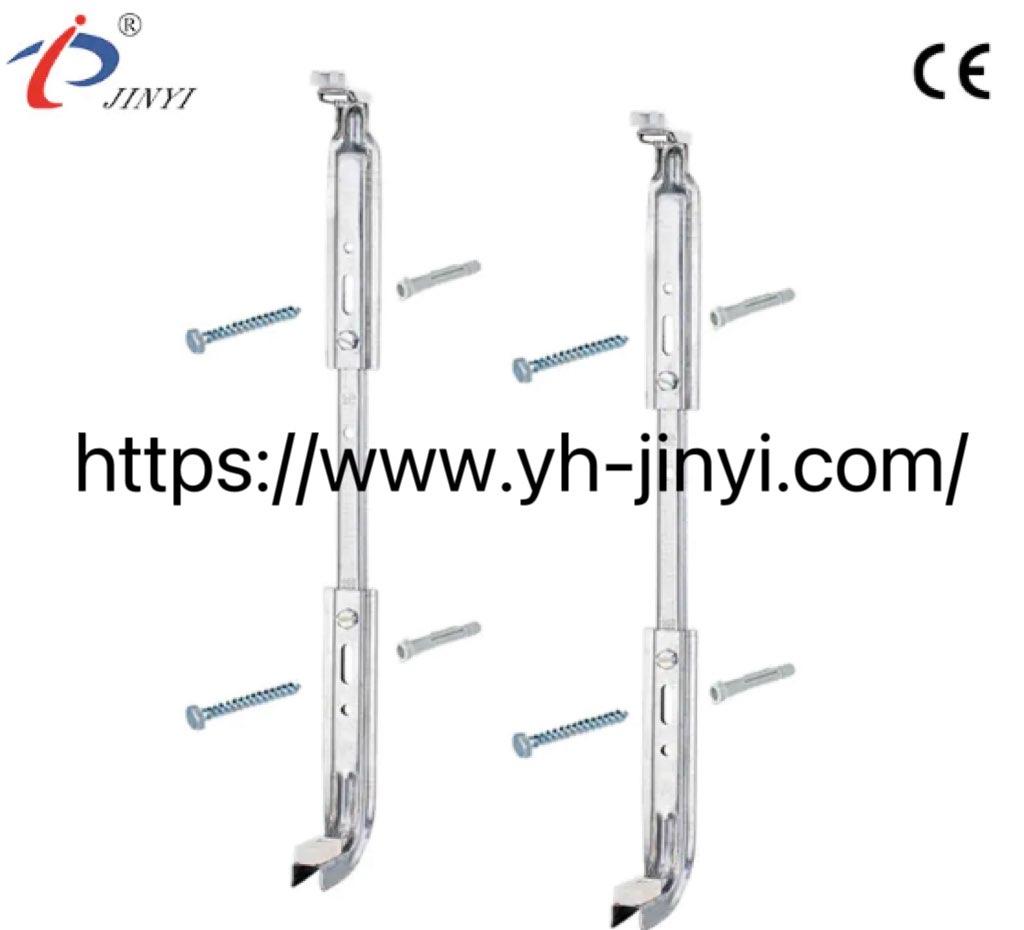

Wall Radiator Bracket selection should begin with the actual requirements of the heating unit and installation project. Buyers should consider dimensions, weight, fixing positions, material specifications, structural design, surface treatment, available space, and manufacturing capabilities before confirming an order. A careful purchasing process can help reduce installation problems and make communication between buyers, engineers, and suppliers more efficient.
Start With Accurate Measurements
Accurate measurements provide a useful foundation for product selection. Buyers should record the length, height, depth, weight, and fixing-point distance of the heating unit before comparing different mounting components.
The position of holes, hooks, or connection points deserves particular attention. If these measurements do not correspond correctly, installers may need additional modifications during assembly.
For projects involving several equipment models, buyers can prepare a dimensional table for each version. This gives the manufacturer a clearer reference when checking existing designs or preparing a customized solution.
Review Load Requirements
The support component should correspond to the weight and installation conditions of the equipment. Buyers should consider the dry weight as well as additional weight created when the system is filled and operating.
Material thickness alone should not be the only consideration. Purchasing teams can request information about material grade, thickness, structural shape, fixing points, and applicable load guidance.
The complete installation arrangement also deserves attention. Fasteners, anchors, support components, and the building surface should be considered together because their interaction can influence installation stability.
Examine the Fixing Configuration
Different installation projects may use different fixing arrangements. Before ordering, buyers should compare the position and spacing of fixing points against the corresponding structure on the equipment.
Clearance is another important factor. Purchasing teams should consider nearby pipes, valves, furniture, controls, and other equipment when determining the appropriate mounting position.
For renovation projects, existing construction conditions may limit available space or fixing locations. Providing photographs, drawings, and measurements can help the manufacturer understand these conditions before production.
Compare Material Options
Material selection should match the intended application and operating environment. Buyers may compare carbon steel, stainless steel, aluminum, and other available materials according to structural requirements, weight, environmental exposure, processing methods, and budget.
Surface treatment should also be specified clearly. Options may include powder coating, plating, painting, or other finishes depending on the application.
For recurring purchases, written material specifications can help maintain consistency between different production batches. Buyers can include thickness, finish, dimensions, and other technical details in an approved product specification.
Inspect Physical Samples
A physical sample provides useful information before a larger order is confirmed. Buyers should inspect bends, edges, holes, weld areas, mounting surfaces, dimensions, and finishing quality.
Measurements should be compared against the approved technical drawing. Pay particular attention to hole spacing, component thickness, overall dimensions, and the position of structural elements.
Testing several samples can also provide information about production consistency. If multiple pieces show significant dimensional or finishing differences, buyers can discuss corrective measures before approving mass production.
Consider Customization Requirements
Some projects require changes to standard dimensions, thicknesses, fixing patterns, materials, finishes, packaging, or branding. These details should be discussed during the product development stage.
Buyers can provide technical drawings, sample parts, photographs, measurement sheets, or written specifications to help communicate the desired configuration.
Private-label projects may also require customized cartons, labels, protective materials, product markings, or logo placement. Confirming these details before production can reduce later adjustments.
Evaluate the Manufacturer
A B2B purchasing decision should consider supplier capabilities as well as product specifications. Buyers can review production equipment, engineering communication, sample development, inspection procedures, customization services, packaging arrangements, and delivery planning.
It can be useful to provide the same technical requirements to several manufacturers and compare their responses. This approach helps purchasing teams evaluate production capabilities using consistent criteria.
yh-jinyi provides mounting hardware manufacturing services for customers requiring standard or customized specifications. The company can work according to drawings, dimensions, materials, surface finishes, packaging requirements, and other project details.
For distributors, contractors, heating equipment companies, and engineering businesses, a structured evaluation can make product sourcing more organized. Buyers interested in mounting components and customized manufacturing services can visit the https://www.yh-jinyi.com/ to review available options and discuss specific project requirements.
