


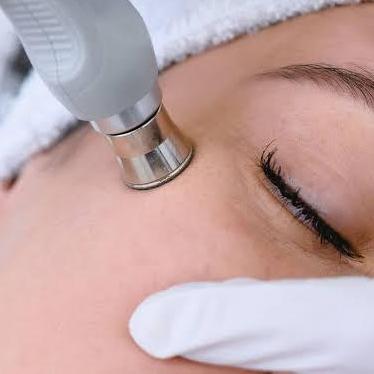
Skin whitening treatment refers to professional approaches used to improve uneven pigmentation, dullness, and the appearance of dark spots while supporting a more even-looking complexion. For people exploring Skin Whitening Treatment in Dubai, the process usually begins with an assessment of the skin and the factors contributing to pigmentation. Dynamic Clinic in Dubai is among the aesthetic settings where individuals may explore professionally guided options based on their skin concerns.
Step 1: Skin Assessment and Consultation
The process starts with a detailed assessment rather than immediately selecting a treatment. A qualified skincare professional may examine:
- Skin type and sensitivity
- Uneven skin tone
- Dark spots and pigmentation
- Post-acne marks
- Sun-related pigmentation
- Existing skincare products
- Previous cosmetic or dermatological treatments
This assessment helps determine whether the concern is related to hyperpigmentation, sun exposure, post-inflammatory pigmentation, or another skin condition. Medical history and current medications may also be considered when relevant.
Step 2: Identifying the Cause of Pigmentation
Pigmentation can develop for different reasons, so understanding its underlying cause is an important part of treatment planning. Common contributing factors include ultraviolet exposure, hormonal changes, acne-related inflammation, skin irritation, and certain medications.
In Dubai's sunny climate, regular ultraviolet exposure can contribute to increased melanin production and make some pigmentation concerns more noticeable. A personalized plan therefore often considers both treatment and daily sun protection.
Step 3: Selecting the Appropriate Treatment
There is no single procedure that works for every pigmentation concern. Depending on the individual's skin condition, a professional may recommend one or a combination of approaches.
Potential options can include:
- Topical skin-brightening ingredients
- Chemical peels
- Laser-based procedures
- Microneedling-based treatments
- Other professionally selected pigmentation treatments
The choice depends on factors such as pigmentation depth, skin sensitivity, treatment history, and the desired improvement in skin tone and texture. Professional assessment is particularly important for darker skin tones because aggressive treatment can sometimes trigger additional pigmentation.
Step 4: Preparing the Skin
Some treatments require preparation before the procedure. This may involve adjusting skincare products, avoiding irritating active ingredients, and maintaining consistent sun protection.
A skincare professional may advise temporarily limiting products that can increase irritation, particularly before procedures that exfoliate or intentionally stimulate the skin. The exact preparation period varies according to the selected treatment and the individual's skin response.
Step 5: Performing the Treatment
The procedure itself depends on the chosen approach. A topical treatment may be incorporated into a daily skincare routine, while professional procedures such as peels or laser treatments are performed under controlled conditions.
During procedure-based treatments, the skin is generally cleansed and prepared before the selected technology or formulation is applied. Treatment intensity is adjusted according to the pigmentation concern, skin characteristics, and professional assessment.
Step 6: Post-Treatment Skin Care
After treatment, appropriate aftercare helps protect the skin while it recovers. Depending on the procedure, temporary redness, sensitivity, dryness, or mild peeling may occur.
Common aftercare principles include:
- Applying broad-spectrum sunscreen
- Avoiding unnecessary sun exposure
- Using gentle skincare products
- Keeping the skin adequately moisturized
- Avoiding picking or scratching peeling skin
- Following the professional's specific aftercare instructions
Sun protection is especially important because ultraviolet exposure can stimulate melanin production and contribute to the return or worsening of pigmentation.
How Long Does the Process Take?
The overall treatment process varies considerably. Some approaches involve a single professional session, while others require several sessions or continued home care. The appropriate schedule depends on the type and severity of pigmentation, the treatment method, skin sensitivity, and how the skin responds.
Skin tone changes should generally be evaluated progressively rather than judged immediately after a procedure. Pigmentation can take time to respond because treatments often target processes involved in melanin production, pigment distribution, or skin renewal.
What Factors Affect Treatment Results?
Several factors can influence how the skin responds to pigmentation-focused treatment:
- Cause of pigmentation: Different pigmentation conditions may respond differently.
- Skin type: Sensitivity and pigmentation tendencies affect treatment selection.
- Sun exposure: Continued ultraviolet exposure can interfere with pigmentation management.
- Aftercare: Following recommended skincare instructions supports the recovery process.
- Treatment consistency: Some concerns require a planned series rather than one session.
- Individual skin response: Healing and pigment changes differ between individuals.
Is Skin Whitening Treatment Suitable for Everyone?
Not necessarily. A professional assessment is important before beginning treatment, particularly when pigmentation is sudden, changing, persistent, or associated with other skin symptoms. Certain active skin conditions or recent procedures may also affect whether a treatment is appropriate.
The goal should be healthier-looking, more even skin rather than attempting to alter a person's natural skin tone dramatically. A qualified professional can help establish realistic treatment objectives based on the individual's skin characteristics.
Conclusion
The process of skin whitening treatment generally involves assessment, identifying the cause of pigmentation, selecting an appropriate approach, preparing the skin, performing the treatment, and following a suitable aftercare routine. Professional guidance is important because pigmentation can have different causes and may require different treatment strategies. Consistent sun protection and a carefully planned skincare routine are also important components of long-term pigmentation management.
