


Jawline Lost Definition After Weight Loss? Consider Dubai Fillers
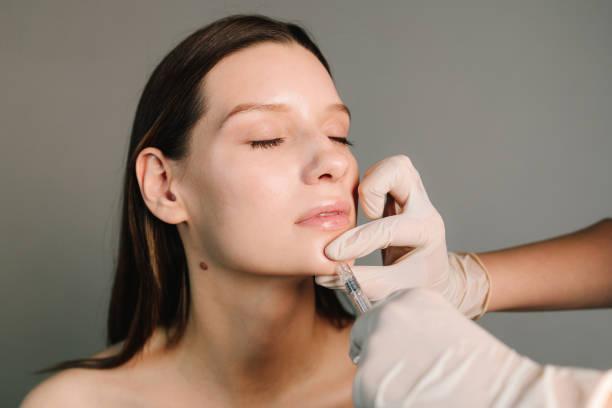
Jawline Filler Injections in Dubai may help restore definition when significant weight loss leaves the lower face looking softer, less structured, or slightly hollow. Weight loss can reduce facial volume, but it can also reveal underlying proportions and create changes in the skin and soft tissues around the jaw. Whether filler is appropriate depends on the reason the jawline has lost definition.
The key is identifying whether the concern comes primarily from volume loss, residual fat, skin laxity, chin proportions, or the natural shape of the mandible. Filler can improve selected structural deficiencies, but it cannot remove excess skin or replace every type of facial-contouring treatment.
Why Can Weight Loss Change Jawline Definition?
Weight loss does not occur only around the abdomen, hips, or other areas of the body. Facial fat can also decrease, changing the appearance of the cheeks, temples, chin, and lower face.
For some people, this creates a sharper facial contour. For others, losing facial volume can make the jawline appear less supported.
Several changes may contribute:
- Reduced soft-tissue volume around the lower face
- Increased visibility of prejowl depressions
- Changes in the relationship between the chin and jaw
- Looser skin following substantial weight reduction
- Residual fat around the lower face or neck
- More noticeable natural facial asymmetry
- A previously subtle jawline becoming more visible after volume changes
This is why two people who lose the same amount of weight may develop completely different facial contours.
Weight Loss Does Not Always Mean a Sharper Jawline
A common assumption is that losing facial fat automatically produces a defined jawline.
That is not always the case.
If the underlying chin is relatively recessed, the mandibular border is naturally less prominent, or the skin has become lax, additional weight loss may not produce the angular appearance a patient expects.
In some cases, further weight reduction could make facial volume loss more noticeable without solving the structural issue.
Can Jawline Filler Restore Definition After Weight Loss?
In appropriate patients, yes.
Jawline filler can add carefully controlled volume along selected areas of the lower face to improve the visual transition between the chin, jawline, and surrounding soft tissues.
The objective is not simply to make the jaw larger.
A clinician may instead use small, strategically positioned amounts of filler to improve contour, support selected depressions, or strengthen the relationship between the chin and mandibular border.
This makes patient assessment particularly important after weight loss.
What Can Jawline Filler Address?
| Concern after weight loss | Potential role of filler | May require another approach |
|---|---|---|
| Mild loss of jawline definition | Can improve structural contour | Sometimes |
| Prejowl depression | May soften the transition | Sometimes |
| Recessed chin | Chin filler may improve projection | Surgical options in selected cases |
| Mild asymmetry | Can provide selective correction | Structural asymmetry may require other treatment |
| Significant loose skin | Limited benefit | Skin-tightening or surgery may be considered |
| Substantial residual fat | Does not remove fat | Fat-reduction approaches may be more suitable |
| Major loss of facial volume | May restore selected areas | Broader facial-volume assessment may be needed |
The table highlights an important point: filler is a contouring tool, not a universal solution for every change caused by weight loss.
How Does Weight Loss Affect the Chin and Jaw Relationship?
The chin plays an important role in how the jawline appears.
A relatively small or retruded chin can make the lower face look less projected even when the mandibular border itself is reasonably defined.
After weight loss, this relationship may become more obvious because surrounding facial volume has changed.
A clinician assessing jawline contouring in Dubai may therefore examine the chin and jaw together rather than treating the jawline in isolation.
This can help determine whether the desired improvement would come from jawline filler, chin filler, a combination approach, or another treatment altogether.
What Happens to the Skin After Major Weight Loss?
Skin does not always contract completely after substantial weight reduction.
The degree of laxity depends on factors including age, genetics, the amount and speed of weight loss, skin quality, sun exposure, and previous changes in body weight.
Facial skin can therefore appear less taut even after a person reaches a healthier or desired weight.
Filler cannot physically remove excess skin.
If laxity is the dominant concern, a clinician may discuss skin-tightening procedures or surgical options instead of relying on additional filler.
Why Adding More Filler May Not Solve Skin Laxity
Adding volume beneath loose skin can sometimes improve selected contours, but excessive filler may make the lower face look heavier rather than tighter.
This is particularly relevant when a patient has already experienced substantial facial changes after weight loss.
The goal should be structural correction with an appropriate amount of product rather than attempting to compensate for loose skin through progressively increasing filler volume.
Can Jawline Filler Improve a Prejowl Area After Weight Loss?
The prejowl region is the transition around the lower chin and front portion of the jawline.
Changes in soft-tissue volume can make this area appear more pronounced after weight loss.
In suitable patients, strategically placed filler may soften a depression and create a smoother visual transition along the lower face.
However, the clinician must first determine whether the apparent prejowl is actually caused by volume deficiency.
Skin laxity, mandibular anatomy, fat distribution, and chin projection can create similar-looking concerns.
Why Facial Anatomy Matters After Weight Loss
Weight loss can reveal structural features that were previously less noticeable.
A patient's underlying mandibular shape, chin projection, facial width, and natural asymmetry may become easier to see as facial volume decreases.
A good treatment plan therefore begins with assessment rather than immediately selecting a number of syringes.
The clinician may evaluate the face from:
- Front view
- Side profile
- Three-quarter view
- Resting expression
- Smile and facial movement
The objective is to understand how the lower face behaves as a complete structure.
Jawline Filler Is About Contour, Not Simply Volume
A defined jawline is created by the relationship between bone, muscle, fat, skin, and soft tissue.
Adding volume without considering these structures can produce an unnatural result.
This is why modern filler planning focuses on placement, proportion, product characteristics, and facial anatomy rather than simply maximizing volume.
Could Jawline Filler Make a Post-Weight-Loss Face Look Wider?
It can, depending on where and how much filler is used.
Patients sometimes request a sharper jawline because they want their face to look slimmer. But adding substantial volume to the lateral jaw can potentially make the lower face appear broader.
The desired result therefore needs to be defined clearly.
A patient seeking a narrower visual appearance may require a different strategy from someone seeking a stronger, wider mandibular contour.
This distinction is especially important after weight loss because the face may already have reduced soft-tissue volume.
What If Weight Loss Has Left the Jawline Uneven?
Asymmetry may become more noticeable after facial volume decreases.
One side of the jaw may naturally project differently from the other, or differences in soft tissue may become more apparent.
Filler can sometimes provide subtle correction when asymmetry is related to soft-tissue volume or contour.
It cannot, however, completely change significant skeletal differences.
A proper examination helps determine whether the asymmetry is primarily related to bone, muscle, fat, skin, or soft tissue.
When Is Jawline Filler More Appropriate Than Fat Reduction?
These treatments address different problems.
If the primary issue is a lack of structural definition after weight loss, filler may be considered.
If the primary issue is remaining localized fat beneath the chin or around the lower face, adding filler may not address the underlying cause.
A clinician may instead evaluate whether a fat-reduction approach, skin treatment, or combination strategy is more appropriate.
This is why the patient's current facial anatomy matters more than simply looking at how much weight they have lost.
When Should You Consider Jawline Filler After Weight Loss?
Timing matters.
If weight is still changing significantly, the facial contour may continue to change as well. Performing definitive contouring too early can make it harder to predict the patient's longer-term appearance.
For people who have reached a relatively stable weight, assessment may provide a clearer picture of the remaining concern.
A consultation can consider:
- Whether weight has stabilized
- The amount of facial volume lost
- Current skin elasticity
- Chin projection
- Jawline anatomy
- Remaining facial fat
- Degree of asymmetry
- Patient expectations
- Previous filler or facial procedures
- Appropriate treatment alternatives
How Should You Prepare for Jawline Filler in Dubai?
Dubai's environment can influence practical recovery planning.
Strong sunlight, high temperatures, outdoor activities, gym sessions, swimming, and frequent movement between hot outdoor environments and air-conditioned interiors can all affect how patients plan the first part of recovery.
Patients should follow the specific aftercare instructions provided by their injector.
For HA dermal fillers, product information commonly advises minimizing strenuous exercise and excessive heat or sun exposure during the early post-treatment period because these factors may temporarily increase swelling, redness, or discomfort.
Patients planning an important event should therefore allow an appropriate recovery buffer rather than scheduling treatment immediately beforehand.
What Results Should You Expect?
Results vary according to the patient's anatomy, the amount of structural change required, the filler selected, and the treatment technique.
Some patients may notice an immediate contour change because filler physically adds volume. Early swelling can also temporarily exaggerate the appearance, so the initial result should not necessarily be considered the final outcome.
A clinician may recommend follow-up once the tissues have settled to determine whether further adjustment is appropriate.
The goal should generally be a proportionate improvement rather than a dramatically altered facial shape.
What Are the Risks of Jawline Filler?
Dermal filler is a medical procedure and is not risk-free.
Common short-term reactions can include swelling, bruising, redness, tenderness, itching, or discomfort.
Rare but serious complications can occur if filler unintentionally enters a blood vessel. These may include tissue damage, vision abnormalities, or stroke.
For this reason, patients should choose a qualified medical professional who understands facial anatomy and can recognize and manage complications.
Patients should also be cautious about treatments performed in non-medical settings or with unapproved needle-free devices.
How Can You Tell Whether Filler Is the Right Choice?
The most useful question is not simply, “How much filler do I need?”
A better question is:
“What changed after my weight loss, and what is actually causing the lack of definition?”
That distinction can prevent inappropriate treatment.
A consultation should establish whether the main issue is:
- Structural deficiency
- Volume loss
- Skin laxity
- Residual fat
- Chin projection
- Asymmetry
- A combination of factors
If the cause is correctly identified, the treatment plan can be much more targeted.
Questions to Ask Before Jawline Filler Injections in Dubai
Before proceeding, patients can ask:
- Is my lack of jawline definition caused by volume loss or loose skin?
- Would chin filler improve my proportions more than jawline filler?
- Do I have enough facial volume for filler to create the desired contour?
- Could filler make my lower face appear wider?
- Would another treatment be more appropriate for residual fat?
- How much filler is realistically necessary?
- What type of filler is being recommended and why?
- What recovery should I expect?
- What complications should I know about?
- What is the plan if the result needs adjustment?
These questions encourage a treatment decision based on anatomy rather than trends or social-media images.
The Strategic Investment
Jawline Filler Injections in Dubai can be a useful option for selected patients whose jawline appears less defined after weight loss, particularly when the concern involves localized volume loss, prejowl contour, chin-jaw proportions, or mild structural deficiency. However, filler cannot remove excess skin or fat, and patients with significant laxity or other structural concerns may benefit more from alternative or combined approaches.
The most effective strategy is individualized assessment, conservative planning, and realistic expectations. Patients considering professional facial-contouring support can explore Tajmeels Clinic and discuss whether filler is appropriate for their post-weight-loss facial changes with a qualified clinician.

 Bangla