

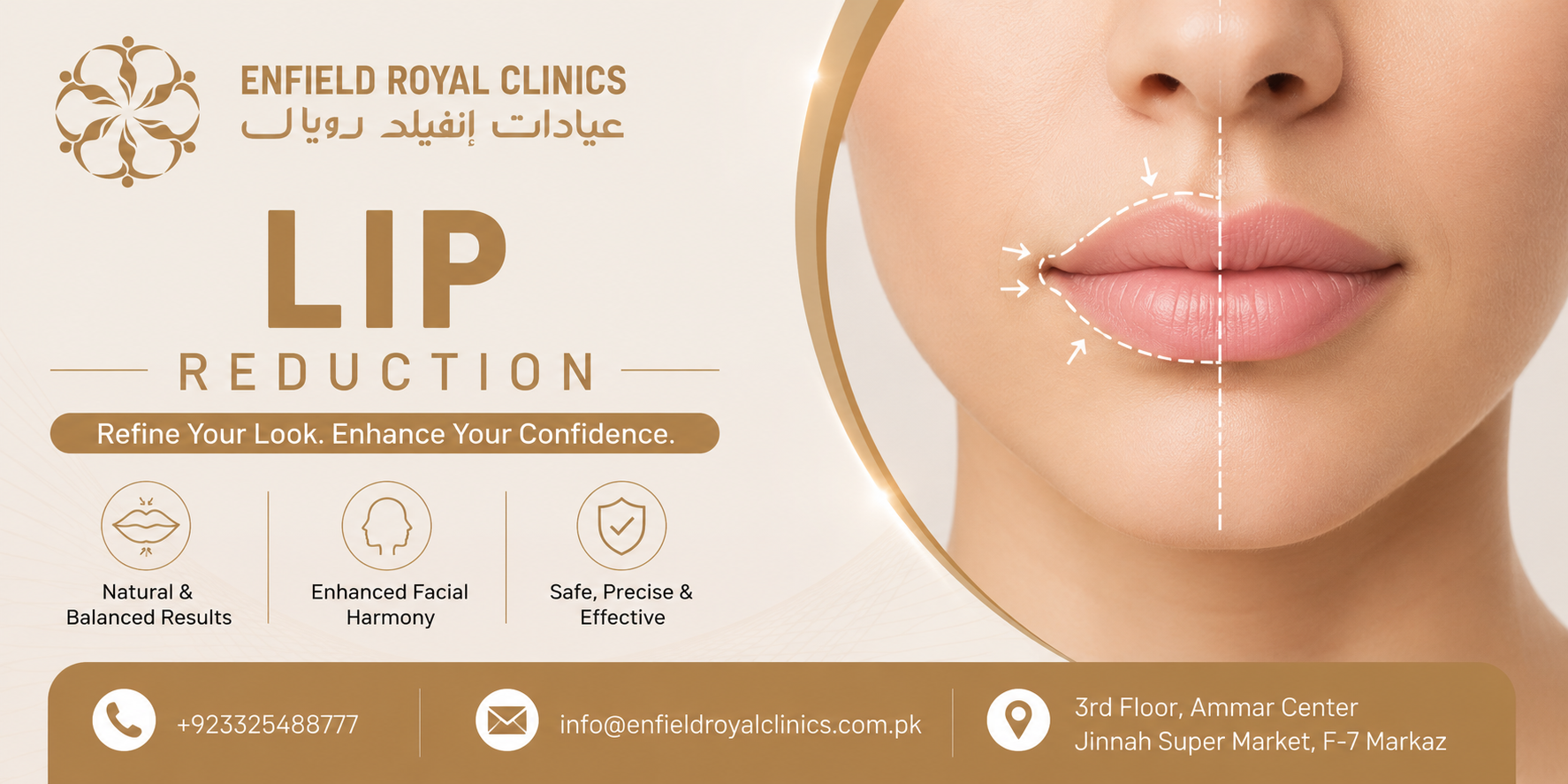

Eating is an important part of recovery after Lip Reduction. Because the lips may be swollen, tender, or sensitive after the procedure, eating and drinking can feel different during the early healing period. Most people gradually return to their usual diet as the treated tissues recover.
The exact timeline for returning to normal eating varies depending on the surgical technique, extent of treatment, individual healing, and instructions provided by your surgeon. Understanding what to expect can help make the recovery period more comfortable.
Why Can Eating Feel Different After Lip Reduction?
After Lip Reduction, temporary swelling and tenderness can affect how easily you move your lips. The treated area may also feel tight or sensitive while the tissues begin healing.
These changes can make biting, chewing, drinking, or moving food around the mouth feel less comfortable than usual. For this reason, your surgeon may recommend making temporary changes to your diet.
The aim is to avoid unnecessary pressure or irritation while the treated tissues recover.
What Can You Eat During the Early Recovery?
During the initial recovery period, soft and easy-to-eat foods may be more comfortable. Depending on your surgeon's instructions, options may include foods that require minimal chewing and do not irritate the treated area.
Examples can include soft vegetables, yogurt, porridge, eggs, soups at a suitable temperature, and other easy-to-eat foods.
Your surgeon may give you specific dietary recommendations based on your procedure. These instructions should take priority over general food suggestions.
When Can You Start Eating More Normally?
As swelling and tenderness improve, eating generally becomes easier. You may gradually introduce foods with more texture when your surgeon considers it appropriate.
There is no universal day when everyone can immediately return to their complete normal diet. Some people may progress more quickly, while others may need additional time.
Your comfort level and healing progress are useful indicators, but your surgeon's guidance should determine when you can safely resume different types of food after Lip Reduction.
Should You Avoid Hot or Spicy Foods?
Your surgeon may recommend avoiding very hot, spicy, or strongly seasoned foods during the early healing period. These foods may cause irritation or discomfort around sensitive tissues.
Very hot foods and drinks can also be uncomfortable when the lips and mouth are recovering.
Follow the dietary instructions given by your surgical team and gradually return to foods that you enjoy as healing progresses.
Are Hard or Crunchy Foods Safe?
Hard, crunchy, or chewy foods may require more movement and pressure from the lips and mouth. During early Lip Reduction recovery, this may be uncomfortable.
Depending on your procedure, your surgeon may recommend temporarily choosing softer alternatives. As the treated tissues heal and normal comfort returns, you can discuss when harder foods can be reintroduced.
Avoid forcing yourself to eat something that causes significant discomfort.
How Does Swelling Affect Eating?
Swelling is a common part of recovery after Lip Reduction. It can temporarily change the size and flexibility of the lips, making eating more difficult.
As swelling gradually decreases, normal lip movement generally becomes easier. The early appearance and sensation of the lips can change considerably during this period.
Keeping expectations realistic and allowing adequate healing time can make the dietary transition easier.
How Should You Drink After Lip Reduction?
Drinking may also feel different during the early recovery period. Your surgeon may provide instructions about how to drink comfortably while protecting the treated area.
Depending on your procedure and aftercare plan, certain drinking methods may be temporarily discouraged if they place unnecessary pressure on the lips.
Always follow the specific instructions provided by your surgical team rather than assuming that a particular method is suitable.
Why Is Oral Hygiene Important?
Good oral hygiene is an important part of recovery after Lip Reduction. Keeping the mouth clean can help support healthy healing.
However, the treated area may need special care immediately after surgery. Your surgeon may explain how to brush, rinse, or clean your mouth without unnecessarily disturbing the healing tissues.
Do not aggressively touch, pull, or manipulate the treated area unless your surgeon specifically instructs you to do so.
Can You Eat Out After Lip Reduction?
Eating at restaurants or social events may be possible once you feel comfortable, but it can be useful to choose foods that are easy to eat during the early recovery period.
You may prefer to avoid foods that require extensive chewing or could irritate sensitive tissues.
If you have an important event coming up, discuss it with your surgeon before Lip Reduction so you can plan your recovery and dietary needs accordingly.
When Can You Return to Your Complete Normal Diet?
The return to a completely normal diet depends on your healing progress. As swelling, tenderness, and sensitivity decrease, many people can gradually return to their usual foods.
However, the exact timeframe is different for each patient. Your surgeon can assess your healing and advise you when you can safely return to all your preferred foods.
It is better to progress gradually than to rush and cause unnecessary discomfort to the healing lips.
What If Eating Causes Pain or Irritation?
Mild discomfort may occur during the early recovery period, but significant or worsening pain should be discussed with your surgical team.
If a particular food causes irritation, stop eating it and choose a more comfortable alternative until you receive further guidance.
Contact your surgeon if you experience severe pain, increasing swelling, fever, unusual discharge, or other symptoms that concern you.
How Can You Make Eating More Comfortable?
Several simple habits may make eating easier during Lip Reduction recovery:
- Choose soft foods when your lips are sensitive.
- Take smaller bites when necessary.
- Eat slowly and avoid unnecessary pressure on the lips.
- Follow your surgeon's dietary instructions.
- Stay adequately hydrated according to your postoperative guidance.
- Avoid foods that cause irritation or discomfort.
- Maintain appropriate oral hygiene.
Most importantly, allow your body enough time to heal.
Final Thoughts
After Lip Reduction, eating normally is usually a gradual process. Temporary swelling, tenderness, and tightness can make eating more challenging during the early stages, so softer and easier-to-eat foods may be more comfortable initially.
As healing progresses, you can gradually return to foods with more texture and eventually resume your regular diet according to your surgeon's instructions. Because recovery varies between individuals, your surgeon should provide the most appropriate guidance for your specific procedure.
Following dietary and oral-care instructions can help make the recovery period more comfortable while the lips settle into their refined shape.
For more information visit Enfield royal clinic in islamabad
