

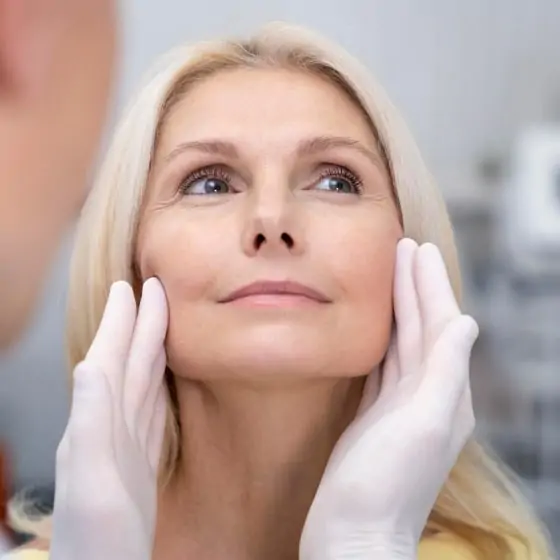

Introduction to Facelift in Riyadh
Facelift in Riyadh is an increasingly considered option for individuals who want to address visible signs of facial aging and achieve a more refreshed and youthful appearance. Over time, changes in skin elasticity, facial volume, and underlying tissues can affect the contours of the face. A facelift is designed to address selected areas of facial laxity through a carefully planned surgical approach.
Facelift in Riyadh can be tailored according to an individual's facial structure, skin characteristics, degree of laxity, and aesthetic goals. Rather than following a single technique for every patient, modern facelift planning focuses on creating results that complement natural facial proportions. A detailed consultation is an important first step for understanding which approach may be appropriate.
Facelift in Riyadh also involves more than the surgical procedure itself. The overall journey can include consultation, preparation, surgery, early recovery, follow-up appointments, and gradual improvement as the treated tissues settle. Understanding each stage can help individuals prepare realistically and make informed decisions.
What Is a Facelift?
A facelift, medically known as rhytidectomy, is a surgical procedure designed to improve visible signs of facial aging. It primarily addresses sagging skin and changes in the underlying facial tissues.
With age, the skin gradually becomes less elastic. Facial tissues can also shift downward, contributing to changes around the cheeks, jawline, and lower face. A facelift may reposition selected tissues and remove or redrape excess skin to create a smoother and more defined appearance.
The procedure is not intended to make every patient look identical. Instead, the goal is generally to create a refreshed appearance while maintaining individual facial characteristics.
Why Do People Consider a Facelift?
People consider facelift surgery for different reasons. Some may notice increasing looseness around the jawline, while others may be concerned about sagging cheeks or changes in the lower face.
Common aesthetic concerns may include:
- Loose facial skin
- Reduced jawline definition
- Sagging around the lower face
- Changes in cheek contours
- Deepening folds around the mouth
- A generally tired or aged facial appearance
- Loss of youthful facial definition
The decision to undergo surgery is personal. A consultation allows an individual to discuss specific concerns and determine whether a facelift aligns with their goals.
Understanding Facial Aging
Facial aging is a gradual process involving several structures rather than the skin alone. Changes can occur in the skin, connective tissues, facial fat, and underlying support structures.
Skin Changes
Skin gradually loses elasticity and firmness. This can contribute to looseness and the development of visible lines and folds.
Tissue Changes
The deeper facial tissues may gradually shift, affecting the natural contours of the cheeks and jawline.
Facial Volume Changes
Changes in facial fat distribution can influence overall facial proportions and may contribute to an older-looking appearance.
Because several factors can contribute to facial aging, facelift planning often considers the face as a whole rather than focusing on one isolated feature.
Facelift in Riyadh: Who May Consider the Procedure?
Facelift in Riyadh may be considered by adults who have noticeable facial laxity and want a surgical approach to improve facial contours.
Potential candidates generally want to address concerns such as sagging skin or reduced definition of the lower face. Good general health and realistic expectations are also important considerations for anyone thinking about elective facial surgery.
Age alone does not determine whether someone is suitable. Two people of the same age may have very different levels of facial aging because genetics, lifestyle, sun exposure, and other factors can influence facial changes.
The best way to determine suitability is through an individual assessment.
Types of Facelift Approaches
There are different facelift techniques, and the most suitable approach depends on the individual's facial anatomy and treatment objectives.
Traditional Facelift
A traditional facelift may address a broader area of the face, including the cheeks, jawline, and lower face. It generally involves carefully planned incisions that allow the surgeon to access and reposition facial tissues.
Limited or Mini Facelift
A mini facelift is generally designed for individuals with more localized or moderate facial laxity. It may involve a more limited surgical approach compared with a traditional facelift.
Lower Facelift
A lower facelift focuses primarily on the lower portion of the face, including the jawline and areas around the mouth.
SMAS Facelift
The superficial musculoaponeurotic system, commonly called the SMAS, is a deeper facial tissue layer. Some facelift techniques involve repositioning or tightening this layer as part of the overall procedure.
The appropriate technique should be determined after examining the patient's facial structure and discussing their goals.
How a Facelift Is Planned
Facelift surgery requires careful planning because facial anatomy varies significantly between individuals.
During the planning process, the practitioner may assess:
- Facial proportions
- Skin elasticity
- Degree of skin laxity
- Jawline definition
- Cheek position
- Facial tissue structure
- Areas of primary concern
- Overall aesthetic goals
Photographs may also be taken as part of the consultation and planning process.
The purpose of this assessment is to create an individualized surgical strategy rather than relying on a standard approach.
Consultation for Facelift in Riyadh
The consultation is one of the most important parts of the Facelift in Riyadh journey. It provides an opportunity to discuss concerns and understand what surgery can realistically accomplish.
Patients should openly explain which facial changes they would like to address. They may also ask about the surgical technique, preparation, recovery timeline, expected changes, and follow-up process.
A thorough consultation can help ensure that the treatment plan corresponds with the patient's facial anatomy and expectations.
Facelift in Riyadh: The Role of Dr. Hattan Aljaaly
When considering Facelift in Riyadh, patients may consult Dr. Hattan Aljaaly to discuss their facial concerns and explore appropriate surgical options.
An individualized consultation can help determine the areas requiring attention and explain how different facelift approaches may be used according to facial anatomy.
The consultation also gives patients an opportunity to discuss their expectations and understand the overall surgical and recovery journey before making a decision.
Preparing for a Facelift
Preparation is an important part of the surgical journey. Once the treatment plan has been established, patients may receive specific instructions regarding their routine before surgery.
Preparation can include:
Discussing Medical History
Patients should provide accurate information about their health history, previous procedures, and current medications or supplements.
Following Pre-Procedure Instructions
Any instructions provided during the consultation should be followed carefully to support proper preparation.
Planning Recovery Time
It is useful to arrange sufficient time away from work and major social commitments.
Organizing Support
Having someone available to assist during the initial recovery period can make the experience more convenient.
Preparing the Home
A comfortable recovery area can help patients rest and follow their post-procedure instructions more easily.
What Happens During a Facelift Procedure?
The exact steps vary according to the selected technique, but facelift surgery generally involves carefully positioned incisions, access to facial tissues, repositioning of selected structures, and management of excess skin.
The surgeon works according to the treatment plan established during consultation.
The objective is to improve facial contours while maintaining natural-looking proportions.
The procedure is performed under appropriate anesthesia, with the specific approach determined according to the surgical plan and individual circumstances.
Understanding Facelift Incisions
Incision placement is an important consideration in facelift surgery. Surgeons generally position incisions strategically around areas such as the hairline and natural contours around the ears.
The precise location depends on the technique being used and the individual's anatomy.
During consultation, patients can ask how incisions will be positioned and how the surgical approach is designed to achieve the intended facial improvements.
Areas Commonly Addressed With a Facelift
A facelift can focus on several areas depending on the individual's concerns.
Cheeks
A facelift may improve the appearance of sagging cheek tissues and help restore more defined facial contours.
Jawline
Improving the lower facial tissues can contribute to a more defined jawline.
Lower Face
The lower face is a common focus of facelift surgery, particularly when skin laxity becomes more noticeable.
Nasolabial and Lower Facial Folds
Changes around the mouth and lower facial folds may also be considered as part of overall facial rejuvenation planning.
Facelift and Neck Contouring
Some individuals considering a facelift may also have concerns about the neck. Depending on the individual's anatomy and treatment objectives, facelift surgery may be combined with a neck-focused procedure.
Neck contouring can address loose tissue beneath the jaw and improve the transition between the face and neck.
Whether the neck should be treated at the same time depends on the patient's anatomy and aesthetic goals.
Facelift Recovery: What to Expect
Recovery is an important part of the Facelift in Riyadh journey. Patients should understand that facial tissues need time to settle following surgery.
The early recovery period generally focuses on rest, following postoperative instructions, and attending scheduled follow-up appointments.
During the initial period, patients may need to limit strenuous activities and follow specific instructions regarding sleeping position, facial care, and daily routines.
The exact recovery timeline varies according to the surgical technique and individual healing process.
The First Few Days After Surgery
The first few days are generally focused on rest and following the care instructions provided by the surgical team.
Patients may be advised to:
- Rest adequately
- Follow prescribed care instructions
- Keep scheduled follow-up appointments
- Avoid unnecessary physical exertion
- Follow guidance regarding facial care
- Maintain appropriate hydration and nutrition
Having a comfortable environment prepared before surgery can make this period easier to manage.
The First Few Weeks of Recovery
As recovery progresses, patients can gradually return to normal daily activities according to their individual instructions.
The face may continue to change during this period as tissues settle and the surgical results become more apparent.
Patients should avoid judging the final outcome too early because facial healing is a gradual process.
Regular follow-up appointments provide an opportunity for the practitioner to monitor progress and provide personalized guidance.
Returning to Work After a Facelift
The timing of returning to work depends on several factors, including the extent of surgery, the individual's recovery progress, and the nature of their job.
People with desk-based work may return sooner than those whose jobs require significant physical activity.
Patients should discuss their expected recovery timeline during consultation so they can plan work commitments appropriately.
Returning to Exercise
Physical activity generally needs to be reintroduced gradually after facial surgery.
The timing depends on the individual's recovery and the instructions provided by the surgical team.
Light daily movement may be introduced according to professional guidance, while more demanding exercise may require additional recovery time.
Patients should follow their personalized postoperative instructions rather than comparing their recovery with someone else's experience.
When Will Facelift Results Become Visible?
Facelift results develop gradually. Some changes may be noticeable relatively early, but the final appearance takes time as tissues settle and the face continues to heal.
Patients should maintain realistic expectations during recovery.
The outcome is influenced by factors such as:
- Surgical technique
- Facial anatomy
- Skin characteristics
- Extent of treatment
- Individual healing process
- Postoperative care
Patience during the recovery period is an important part of the overall treatment journey.
How Long Can Facelift Results Last?
A facelift does not stop the natural aging process. However, it can reposition facial tissues and improve contours in a way that provides long-lasting aesthetic improvement.
The longevity of results varies between individuals.
Factors that may influence the duration of results include age, genetics, skin quality, lifestyle, environmental exposure, and the surgical technique used.
Maintaining healthy lifestyle habits and protecting the skin can support the overall appearance of the face over time.
Maintaining Your Facial Appearance After a Facelift
Following a facelift, maintaining a consistent skincare and lifestyle routine can help support overall facial appearance.
Important habits may include:
Sun Protection
Protecting facial skin from excessive sun exposure can support skin quality.
Healthy Nutrition
A balanced diet provides essential nutrients that support general wellbeing and healthy skin.
Hydration
Adequate hydration is an important part of maintaining overall health.
Skincare
A suitable skincare routine can help maintain the appearance and texture of the skin.
Healthy Lifestyle
Regular physical activity, sufficient rest, and avoiding habits that can negatively affect skin quality can contribute to long-term facial wellness.
Facelift Compared With Non-Surgical Facial Treatments
Some individuals may wonder whether a facelift is necessary when non-surgical treatments are available.
Non-surgical options can address certain concerns, such as fine lines, facial volume, or skin texture. However, they generally work differently from surgical procedures.
A facelift is specifically designed to address significant skin laxity and reposition selected facial tissues.
The most appropriate option depends on the patient's degree of facial aging, anatomy, expectations, and desired level of improvement.
Combining Facelift With Other Procedures
In some cases, facelift surgery may be combined with other facial procedures to create a more comprehensive rejuvenation plan.
Potential combinations may involve procedures addressing:
- Neck contour
- Eyelid appearance
- Facial volume
- Forehead and brow concerns
- Skin quality
Not everyone requires multiple procedures. The decision depends on individual anatomy and treatment objectives.
Choosing Facelift in Riyadh
Choosing Facelift in Riyadh requires careful consideration. Patients should focus on the quality of consultation, the practitioner's experience, the proposed surgical approach, and whether the treatment plan reflects their individual goals.
Important questions to consider include:
- Is the treatment plan personalized?
- Which facelift technique is being recommended?
- What areas will be addressed?
- What should I expect during recovery?
- When can I return to normal activities?
- How will follow-up appointments be managed?
- What type of result can realistically be expected?
Taking time to understand these details can help patients make more informed decisions.
Setting Realistic Expectations
A successful facelift journey begins with realistic expectations. The purpose of surgery is generally to improve facial contours and address visible laxity rather than completely change a person's identity.
Natural facial movement and individual characteristics remain important considerations.
Patients should communicate their goals clearly and understand that the final result will depend on their anatomy and the surgical plan.
A realistic approach can contribute to greater satisfaction with the overall process.
Why Individualized Treatment Matters
No two faces age in exactly the same way. Differences in bone structure, skin quality, facial fat distribution, and tissue laxity mean that facelift surgery should be customized.
An individualized treatment plan can determine:
- Which areas need treatment
- How much tissue repositioning may be appropriate
- Which incision approach is suitable
- Whether the neck should be considered
- How the overall facial balance can be maintained
Personalization is therefore an important element of modern facelift planning.
Frequently Asked Questions About Facelift in Riyadh
1. What is Facelift in Riyadh?
Facelift in Riyadh refers to surgical facial rejuvenation designed to address visible skin laxity and changes in facial contours. The procedure can be customized according to the individual's facial anatomy and aesthetic goals.
2. Who is a suitable candidate for a facelift?
A suitable candidate is generally someone with noticeable facial laxity who is in appropriate general health and has realistic expectations about surgical facial rejuvenation. A professional consultation is necessary to determine suitability.
3. At what age can someone consider a facelift?
There is no single ideal age for everyone. The decision is generally based on facial aging, skin laxity, individual anatomy, general health, and personal goals rather than age alone.
4. How long does facelift surgery take?
The duration varies depending on the surgical technique, the areas being treated, and whether additional procedures are included. Patients can receive a more specific estimate during their consultation.
5. How long does facelift recovery take?
Recovery varies between individuals and depends on the extent of surgery. Many patients require a period of rest before gradually returning to their usual routines. A personalized recovery timeline can be discussed before surgery.
6. When can I return to work after a facelift?
The appropriate time depends on the type of work, surgical approach, and individual recovery progress. Desk-based work may require less time away than physically demanding occupations.
7. Can a facelift treat the neck?
Depending on the individual's anatomy and treatment goals, a facelift may be combined with a neck-focused procedure. The appropriate approach can be determined during the consultation.
8. Will a facelift change my facial appearance completely?
The purpose of a facelift is generally to refresh and improve facial contours rather than completely change someone's appearance. Treatment planning focuses on maintaining facial balance and individual characteristics.
9. How long do facelift results last?
Facelift results can be long-lasting, but the natural aging process continues after surgery. The duration of visible improvement varies according to individual factors such as age, genetics, skin quality, lifestyle, and treatment technique.
10. Why should I have a consultation before choosing Facelift in Riyadh?
A consultation allows the practitioner to evaluate your facial structure, discuss your concerns, explain suitable techniques, and create an individualized treatment plan. It also provides an opportunity to understand the procedure and recovery process before making a decision.
Conclusion: Understanding Your Facelift in Riyadh Journey
Facelift in Riyadh can be an option for individuals seeking surgical facial rejuvenation and improved definition in areas affected by facial laxity. Understanding the procedure, available techniques, preparation, recovery, and expected timeline can help patients approach their decision with greater confidence.
The facelift journey begins with a personalized consultation and continues through treatment planning, surgery, recovery, and follow-up. Because facial anatomy and aging patterns vary from person to person, an individualized approach is essential for creating a treatment plan that matches each patient's needs and aesthetic goals.
For anyone considering Facelift in Riyadh, taking time to understand the procedure and discuss expectations with a qualified professional is an important first step. With careful planning and realistic expectations, patients can make informed choices about their facial rejuvenation journey.
