


The line between Tex-Mex and authentic Mexican cuisine gets blurred constantly, often by people who love both Mexican food traditions without realizing they're actually eating two genuinely distinct culinary traditions. Rather than treating this as a simple taste comparison, it's worth looking at where these differences actually come from, history, geography, and the specific ingredients each tradition leans on most heavily.

Two Different Histories, Not One Watered-Down Version of the Other
Tex-Mex didn't emerge as a simplified imitation of Mexican cooking, it developed as its own regional cuisine along the Texas-Mexico border, shaped by more than a century of cultural blending between Mexican culinary tradition and American ranching, ingredients, and Southern influence. Authentic Mexican cuisine, by contrast, reflects centuries of indigenous Mesoamerican cooking layered with Spanish colonial influence, varying dramatically by region across the country. Understanding this distinct origin story matters, since it reframes Tex Mex not as a lesser version of something else, but as its own legitimate culinary tradition.
Regional Diversity vs. a More Standardized Approach
One of the clearest differences lies in variation. Authentic Mexican cuisine changes considerably depending on which region you're in, coastal areas lean heavily on fresh seafood, central Mexico favors slow-braised meats and complex mole sauces, and the Yucatán incorporates entirely different spice profiles shaped by Mayan tradition. Tex Mex, having developed within a more geographically concentrated border region, tends to follow a more standardized, consistent approach across most of its signature dishes, less defined by dramatic regional variation than its Mexican counterpart.
The Role of Cheese Tells Its Own Story
Few ingredients highlight the divide as clearly as cheese. Tex Mex dishes lean heavily on shredded, melted cheese, layered generously into enchiladas, burritos, and nachos, a reflection of Texas's cattle-ranching heritage and access to dairy in ways that shaped the cuisine's development. Authentic Mexican cooking uses cheese far more sparingly, typically as a light garnish like crumbled cotija rather than a defining, central ingredient, reflecting a genuinely different culinary philosophy rather than simply a lighter hand with the same ingredient.
Spice Profiles Reflect Different Priorities
Tex Mex seasoning tends to follow a fairly consistent formula, cumin, chili powder, and paprika appearing across a wide range of dishes regardless of the specific protein or preparation. Authentic Mexican cuisine draws on a genuinely wider, more complex range of chilies and spice combinations that shift significantly by region and dish, from the smoky depth of chipotle to the fruity heat of guajillo, each contributing a distinct character rather than following one standardized blend applied uniformly across the menu.
The Burrito as a Case Study in Blended Identity
Few dishes illustrate this Tex Mex versus authentic divide better than the burrito itself. While burritos trace some roots back to northern Mexico, the oversized, heavily stuffed version widely recognized today, loaded with rice, beans, cheese, and sour cream, developed largely as a Tex Mex and American innovation. Traditional Mexican burritos tend to be considerably smaller and simpler, often just meat and beans, without the elaborate layering that defines the modern burrito found on most casual dining menus across the world today.
Cooking Techniques Diverge Too
Authentic Mexican cuisine often relies on slow, traditional techniques, braising, roasting on a vertical spit for dishes like al pastor, or the labor-intensive process behind a proper mole sauce built from dozens of ingredients. Tex Mex tends to favor faster, more straightforward preparation methods, ground beef seasoning, quick grilling, and cheese-based sauces that prioritize efficient, consistent execution over the kind of slow, regionally specific technique that defines much of authentic Mexican cooking.
Appreciating Both on Their Own Terms
None of these differences make one tradition superior to the other, they simply reflect two genuinely distinct culinary paths shaped by different histories, geographies, and available ingredients. Tex Mex earns its own identity through bold, comforting, cheese-forward cooking built for consistency and approachability, while authentic Mexican cuisine offers regional depth and complexity built over centuries of distinct local tradition.
Where a Burro Restaurant Like Burro Blanco Fits This Distinction
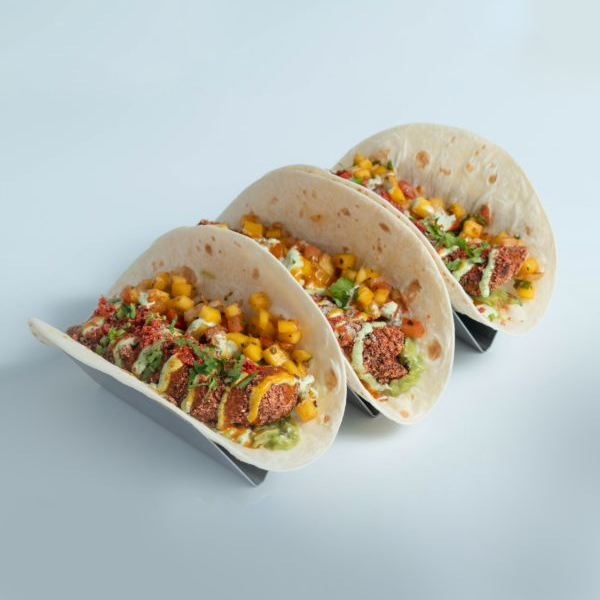
Burro Blanco, a Mexican street food spot with multiple locations across Dubai and Abu Dhabi, leans confidently into Tex Mex territory, building its menu around approachable, satisfying staples like loaded burritos and tacos rather than attempting to replicate every specific regional variation found across authentic Mexican cuisine. As a dedicated burro restaurant, it embraces exactly the bold, comforting identity that's made Tex Mex so consistently popular well beyond the Texas border where it originally took shape.
Understanding the Divide Changes How You Order
Recognizing what actually separates Tex Mex from authentic Mexican cuisine, distinct histories, different approaches to cheese and spice, and genuinely different cooking techniques, makes both Mexican food traditions considerably easier to appreciate on their own terms. Neither one needs to imitate the other to be worth ordering, and knowing which one you're actually craving makes that decision, and the meal that follows, considerably more satisfying.
For more information,
Contacts – +97144576051
Instagram: burroblancouae
Location: View All Burro Blanco Locations
