

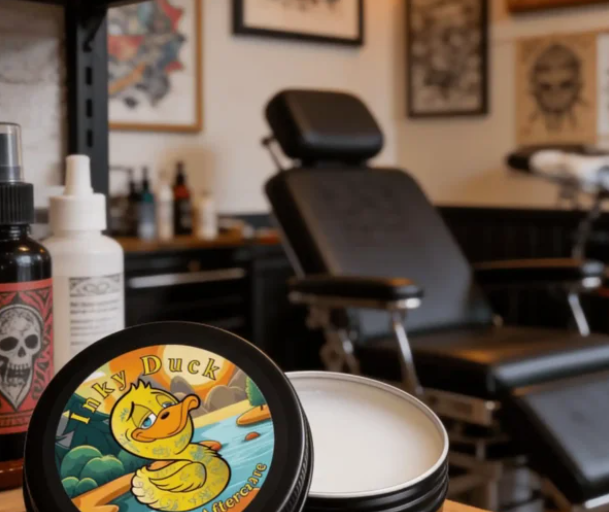

Proper aftercare is an important part of caring for newly tattooed skin. After getting a tattoo, the skin needs time to recover, and maintaining an appropriate care routine can help keep the area comfortable during the healing process. One commonly used aftercare product is tattoo healing balm, which is designed to moisturize and support the skin while it heals.
If you have recently received a tattoo, you may wonder, what does tattoo balm do and whether it is necessary for your aftercare routine. Understanding its purpose can help you choose and use an appropriate product without overcomplicating the healing process.
What Is Tattoo Healing Balm?
Tattoo healing balm is a topical product formulated for use on tattooed skin. Depending on the product, it may contain moisturizing ingredients, plant-based oils, waxes, or other ingredients intended to help maintain skin moisture.
Freshly tattooed skin can feel dry, tight, or uncomfortable as it heals. A suitable balm can provide moisture and help prevent excessive dryness.
However, tattoo balm is not a substitute for medical treatment. If a tattoo develops signs of infection or another serious skin problem, professional medical advice should be sought.
What Does Tattoo Balm Do?
So, what does tattoo balm do? Its primary purpose is generally to moisturize the skin and help maintain a comfortable skin barrier during the healing process.
A balm can help reduce the feeling of dryness and tightness that may occur as the tattooed area recovers. It may also create a light protective layer over the skin, depending on its ingredients and formulation.
The exact benefits vary between products, so it is important to read the label and follow the manufacturer's directions.
Why Moisture Matters During Healing
New tattoos can go through several stages as the skin recovers. During this period, dryness and peeling may occur.
Appropriate moisturization can help keep the surrounding skin from becoming excessively dry. This is one reason many tattoo aftercare routines include a suitable moisturizing product.
A tattoo healing balm should generally be applied in a thin layer rather than heavily coating the tattoo. Using too much product can leave the area excessively greasy and may not provide additional benefits.
When Should Tattoo Balm Be Used?
The timing for using balm depends on the tattoo artist's aftercare instructions and the type of covering used after the tattoo session.
Some artists recommend waiting until a protective covering has been removed and the tattoo has been gently cleaned before applying moisturizer. Others may recommend a specific product or schedule.
Because aftercare instructions can vary, follow the guidance provided by your tattoo professional. If you are unsure when to begin using a particular tattoo healing balm, ask your artist before applying it.
How Much Balm Should You Apply?
A common approach is to use a small amount and spread it gently over the tattooed area. The skin should not be covered with a thick, heavy layer.
The purpose is to provide appropriate moisture while allowing the skin to remain comfortable. If the tattoo looks excessively greasy after application, you may be using more product than necessary.
Always follow the instructions on the balm's packaging as well.
Choosing a Suitable Balm
When selecting tattoo healing balm, consider products specifically designed for tattoo aftercare. Look at the ingredient list and avoid ingredients that you already know cause irritation or sensitivity for you.
Some people prefer fragrance-free products, particularly when caring for sensitive or freshly tattooed skin. The most important consideration is choosing a product appropriate for the healing stage and using it as directed.
You do not necessarily need a large collection of aftercare products. A simple and consistent routine can often be easier to maintain.
Tattoo Balm and Peeling
Peeling can be a normal part of the tattoo healing process. As the skin recovers, small flakes may appear around the tattoo.
This can lead people to ask again, what does tattoo balm do when peeling occurs? A suitable balm can help moisturize dry skin and make the area feel more comfortable, but it should not be used to forcibly remove peeling skin.
Avoid scratching, picking, or pulling at flakes and scabs. Allow the skin to shed naturally.
Avoiding Overuse
More balm does not necessarily mean better care. Applying excessive amounts can make the tattoo feel overly oily and may be uncomfortable.
Instead, use a thin layer according to the product directions and your tattoo artist's recommendations.
If your skin feels appropriately moisturized without appearing heavily coated, your application may be sufficient.
Keeping the Tattoo Clean
Moisturizing is only one part of tattoo aftercare. Keeping the area appropriately clean is also important.
Follow your artist's instructions for washing the tattoo. Use gentle movements and avoid aggressive scrubbing, rough towels, or unnecessary touching.
Wash your hands before touching the tattoo and avoid applying products with dirty hands.
Once the area is clean and dry according to your aftercare instructions, you can apply your recommended tattoo healing balm if appropriate.
Protecting Your Tattoo While It Heals
Fresh tattoos can be sensitive to friction, excessive moisture, and environmental exposure. Tight clothing may rub against the tattoo, while scratching can interfere with the healing process.
Try to minimize unnecessary contact and follow the care instructions provided by your tattoo artist.
Sun exposure is another consideration. Freshly tattooed skin should be protected from excessive sunlight while it heals. Once the tattoo has fully healed, appropriate sun protection can help maintain its appearance over time.
When Balm Is Not Enough
Tattoo balm is designed for routine skin care during healing. It should not be relied upon to treat an infection or other medical condition.
If you experience symptoms such as increasing pain, significant swelling, spreading redness, pus, fever, or other unusual changes, contact a healthcare professional.
Understanding what does tattoo balm do can help set realistic expectations. Balm can moisturize and support normal aftercare, but it cannot replace medical evaluation when something appears wrong.
Following Your Tattoo Artist's Advice
Every tattoo is different, and artists may use different techniques, coverings, and aftercare recommendations. Your artist's instructions should therefore be an important part of your healing routine.
If your artist recommends a particular tattoo healing balm, use it according to their directions and the product label.
If you have concerns about an ingredient or your skin's reaction, discontinue use and seek appropriate professional advice.
Final Thoughts
A tattoo healing balm can be a useful part of a simple tattoo aftercare routine by helping moisturize the skin and reduce discomfort associated with dryness. When people ask, what does tattoo balm do, the simplest answer is that it is primarily intended to provide moisture and support comfortable skin care during the healing process.
Use a suitable product sparingly, follow your tattoo artist's instructions, keep the area clean, and avoid picking or scratching the healing skin. If you notice unusual or worsening symptoms, seek medical advice rather than relying on balm alone.
