

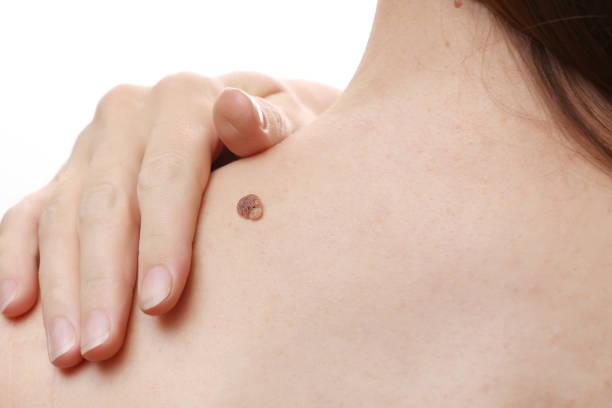

Mole Removal in Dubai may be considered when a prominent mole creates an uneven visual appearance on otherwise clear skin. Some people seek treatment because a raised, dark, or noticeable mole draws attention to one area and affects how they feel about their overall appearance.
Cosmetic concerns can be a valid reason to discuss mole removal, but the lesion should still be professionally assessed before treatment. Most ordinary moles do not require treatment, although a dermatologist may recommend removal when a mole is bothersome or for cosmetic reasons.
1. Understanding Uneven Skin Appearance From Moles
How a Prominent Mole Affects Appearance
A mole can make one small area of skin appear visually different from the surrounding surface.
This may be more noticeable when the mole is:
- Darker than the surrounding skin
- Raised above the skin surface
- Larger than nearby moles
- Located in a visually prominent area
- Positioned where light creates additional shadow
- Noticeable in photographs or close-up views
Cosmetic Concern Versus Medical Concern
A person may dislike the appearance of a mole even when it is medically harmless.
Conversely, a mole that appears cosmetically noticeable may also require medical assessment if it has changed or developed concerning characteristics.
These two considerations should be evaluated separately.
Individual Perception Matters
What appears minor to one person may be a significant cosmetic concern to another.
A consultation allows the patient to explain what they want to improve while allowing the clinician to determine whether removal is appropriate.
2. Professional Assessment Before Cosmetic Removal
Examining the Mole
The clinician may assess the mole's size, shape, color, border, elevation, and overall appearance.
Stable, symmetrical, single-color moles may have different considerations from lesions showing recent changes or unusual features.
Checking for Recent Changes
A mole that has recently changed should not be treated as a purely cosmetic concern without appropriate evaluation.
Changes in appearance, itching, bleeding, or other unusual symptoms can warrant professional assessment.
Using Dermatoscopy When Appropriate
Dermatoscopy can allow a clinician to examine a pigmented lesion in greater detail.
If there is clinical concern, further diagnostic evaluation may be recommended before or alongside removal.
3. Cosmetic Reasons People Consider Mole Removal
Improving Visual Balance
A prominent mole can become the first feature a person notices when looking at a particular area of skin.
Removing a suitable lesion may make the area appear more visually uniform.
Reducing Attention to a Dark Spot
A dark mole can contrast strongly against surrounding skin.
For some individuals, removal may be considered to reduce the visual prominence of that specific spot.
Improving Confidence in Photographs
Moles may become more noticeable in close-up photographs, professional portraits, social media images, or special-event photography.
This can motivate someone to explore professional treatment.
Simplifying Skin Care
Some people prefer a smoother-looking skin surface and may consider removal when a raised mole has become a persistent cosmetic concern.
4. Choosing a Mole Removal Method
Surgical Excision
Surgical excision involves removing the mole using a surgical technique and closing the resulting wound.
It may be considered when complete removal is appropriate or when tissue examination is clinically indicated.
Surgical Shave
A surgical shave may be considered for selected raised moles.
The technique can remove the elevated portion of an appropriate lesion, but suitability depends on the mole's characteristics.
Treatment Should Follow Assessment
A procedure should not be selected simply because it appears to produce the smallest visible mark.
The appropriate approach depends on factors such as lesion depth, size, appearance, location, and whether tissue examination is necessary.
5. Skin Texture and Surface Appearance After Removal
The Importance of Lesion Depth
A superficial raised mole and a deeper lesion may require different treatment approaches.
The depth of the lesion can influence both the procedure and the expected healing process.
Temporary Changes During Healing
Following removal, the treated area may initially look different from the surrounding skin.
Redness, tenderness, crusting, or temporary pigmentation changes can occur during healing depending on the procedure.
Final Appearance Takes Time
The immediate appearance of the treatment site should not necessarily be considered the final result.
Scar maturation and post-procedure skin changes can continue over time, so realistic expectations are important.
6. Scarring and Cosmetic Expectations
Every Removal Has Potential for a Mark
Removing a mole involves disruption of the skin, meaning some degree of scarring or residual pigmentation can occur.
The likelihood and appearance of a scar depend on factors including:
- Mole size
- Removal depth
- Treatment method
- Location
- Wound closure
- Individual healing response
Balancing Mole Removal and Scar Visibility
For cosmetic treatment, the objective is not simply to remove the mole.
The clinician also considers how the treatment site may heal and how noticeable the resulting mark could be.
Discussing Expectations Before Treatment
Patients should understand that mole removal cannot guarantee perfectly uniform or completely scar-free skin.
A professional consultation provides an opportunity to discuss likely outcomes before proceeding.
7. Skin Tone and Pigmentation Considerations
Different Skin Types Heal Differently
Post-procedure pigmentation can vary between individuals.
Some patients may experience temporary darkening or lightening around a healing area.
Protecting Healing Skin
Sun exposure can contribute to pigmentation changes in healing skin.
When exposed, broad-spectrum SPF 30 or higher is recommended as part of effective sun protection.
Dubai Sun Exposure
Dubai's strong outdoor sunlight makes sun protection particularly relevant for people recovering from skin procedures.
Beach visits, outdoor exercise, swimming, and extended daytime activities may require additional planning during recovery.
8. Cosmetic Mole Removal and Lifestyle
Professional Appearance
A noticeable mole may be more concerning to individuals whose work involves frequent client interaction, photography, presentations, or public-facing activities.
A cosmetic consultation can help determine whether removal is appropriate.
Special Events
Some people consider removal before weddings, celebrations, holidays, or professional photography.
However, treatment timing should account for the expected healing period rather than assuming the skin will look fully settled immediately after the procedure.
Daily Skin Care
Patients should follow the treating professional's instructions regarding cleansing, dressings, skincare products, and sun protection during recovery.
9. When Cosmetic Removal Should Be Delayed
A Mole That Is Changing
A changing lesion may require medical investigation before cosmetic treatment is considered.
The ABCDE framework includes asymmetry, irregular borders, varied color, increasing size, and evolution as features that can warrant evaluation.
Unexplained Bleeding
Bleeding that occurs without obvious trauma should be medically assessed.
Repeated bleeding, itching, pain, or other changes should not simply be attributed to cosmetic irritation.
Unusual Skin Lesions
Not every pigmented lesion is a conventional mole.
A clinician may determine that another type of lesion is present and recommend a different diagnostic or treatment approach.
10. Why DIY Cosmetic Removal Is Risky
Uncontrolled Skin Damage
Cutting, burning, or applying unregulated chemicals to a mole can damage surrounding healthy skin.
Increased Scarring
Uncontrolled removal may result in a more noticeable scar than professionally planned treatment.
Delayed Diagnosis
Attempting to remove a mole without assessment can also interfere with diagnosis if the lesion is suspicious.
The American Academy of Dermatology warns that at-home mole removal can cause infection, scarring, and delayed diagnosis of skin cancer.
11. Planning a Cosmetic Mole Removal Consultation
Define the Desired Improvement
Patients should explain what they want to change.
The concern may be:
- A dark spot
- A raised surface
- Facial symmetry
- Overall skin uniformity
- Appearance in photographs
- Professional presentation
- Personal confidence
Discuss the Expected Result
The clinician can explain what improvement is realistically achievable based on the mole's characteristics.
Review Recovery Requirements
Before treatment, it is useful to understand:
- Expected healing time
- Dressing requirements
- Possible scarring
- Sun protection
- Exercise restrictions
- Skin-care restrictions
- Follow-up requirements
12. Professional Cosmetic Mole Removal in Dubai
Cosmetic mole removal should combine aesthetic planning with appropriate medical assessment. The goal is not simply to make a mole disappear but to determine whether removal is suitable and select an approach that balances lesion management, healing, and appearance.
People researching mole removal treatment options in Dubai should look for professional assessment, individualized treatment planning, and realistic expectations about the final skin appearance.
13. The Strategic Investment
For someone who feels that a prominent mole disrupts the appearance of otherwise even-looking skin, professional removal may offer a way to address that specific cosmetic concern.
The most appropriate treatment depends on the mole's characteristics, the patient's expectations, potential scarring, and whether any medical investigation is required.
For professional aesthetic and skin-care treatment planning in Dubai, Tajmeels Clinic provides consultation-based care tailored to individual cosmetic concerns.
