

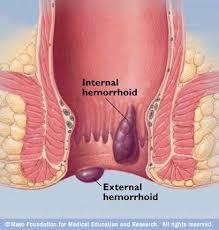

Haemorrhoids treatment in Dubai are a common condition that can cause discomfort, itching, swelling, irritation, or bleeding around the anus. They develop when the veins and surrounding tissues in the lower rectum or anus become swollen. While haemorrhoids can be uncomfortable, they are often manageable, and mild cases may improve without medical procedures.
This leads many people to ask: Can haemorrhoids go away on their own without treatment? The answer is sometimes yes. Small or mild haemorrhoids may settle as swelling decreases and bowel habits improve. However, persistent, painful, or bleeding haemorrhoids should not simply be ignored. Understanding the symptoms, causes, and available treatment options can help you decide when professional advice is appropriate.
Can Haemorrhoids Go Away on Their Own?
Yes, mild haemorrhoids can sometimes improve or disappear without medical procedures. This is particularly possible when the condition is related to temporary constipation, straining during bowel movements, pregnancy, or prolonged sitting.
As pressure on the affected veins decreases, inflammation and swelling may gradually settle. Simple changes such as eating more fibre, drinking enough fluids, avoiding excessive straining, and maintaining regular bowel movements can support recovery.
However, improvement depends on the severity and underlying cause. Haemorrhoids that repeatedly return or become more advanced may require professional assessment and treatment.
How Long Do Haemorrhoids Take to Heal?
The healing time varies from person to person. Mild symptoms may improve within several days to a couple of weeks when the factors contributing to the problem are addressed.
More persistent haemorrhoids can take longer to settle. If symptoms continue despite appropriate self-care, become more severe, or interfere with daily activities, a healthcare professional can determine whether additional treatment is needed.
It is also important to remember that symptom improvement does not always mean the underlying haemorrhoid has completely disappeared.
What Can Help Haemorrhoids Heal Naturally?
Several lifestyle measures may help reduce irritation and prevent excessive pressure during bowel movements.
Increase Dietary Fibre
Fibre helps make stools softer and easier to pass. Foods such as vegetables, fruits, whole grains, beans, and other fibre-rich foods can support healthy bowel movements.
Increase fibre gradually to reduce the possibility of bloating or digestive discomfort.
Drink Enough Fluids
Adequate fluid intake can help maintain softer stools, particularly when combined with a fibre-rich diet. Water should generally be the primary source of hydration.
Avoid Straining
Repeatedly pushing or straining during bowel movements can increase pressure around the rectal veins. Try to respond to the natural urge to use the toilet rather than delaying it for long periods.
Avoid Prolonged Sitting on the Toilet
Spending excessive time sitting on the toilet can increase pressure in the anal area. Keeping bathroom visits reasonably brief may help reduce unnecessary strain.
Stay Physically Active
Regular movement can support healthy digestion and bowel regularity. Activities such as walking may be particularly helpful for people who spend much of the day sitting.
When Should You Seek Haemorrhoids Treatment?
Not every case requires a procedure, but persistent symptoms deserve attention. You should consider professional evaluation if you experience:
- Bleeding that continues or keeps returning
- Significant or worsening anal pain
- A lump or swelling that does not improve
- Persistent itching or irritation
- Symptoms that interfere with everyday activities
- Haemorrhoids that frequently return
- Symptoms that do not improve with lifestyle measures
Rectal bleeding should not automatically be assumed to be caused by haemorrhoids. Other conditions can also cause bleeding, so unexplained or persistent bleeding should be assessed by an appropriate healthcare professional.
What Happens If Haemorrhoids Are Left Untreated?
Mild haemorrhoids may settle without intervention, but ongoing symptoms can become troublesome. Repeated irritation, swelling, discomfort, or bleeding may affect quality of life.
In some cases, haemorrhoids can become more persistent or develop complications. For this reason, waiting indefinitely for symptoms to disappear is not always the best approach.
A professional assessment can help determine whether conservative management is sufficient or whether a treatment procedure may be more appropriate.
Haemorrhoids Treatment Options
The appropriate treatment depends on factors such as the type, size, severity, symptoms, and recurrence of haemorrhoids.
For mild cases, healthcare professionals may initially recommend dietary and lifestyle changes. Depending on the situation, other approaches may include medications or minimally invasive procedures.
More advanced haemorrhoids may require a procedure or surgical treatment. The goal is generally to relieve symptoms and address the problematic haemorrhoidal tissue while selecting an approach appropriate for the individual.
Haemorrhoids Treatment in Dubai
People looking for haemorrhoids treatment in Dubai can benefit from choosing a healthcare facility that provides proper assessment and personalised treatment planning. A consultation allows the condition to be evaluated rather than relying solely on symptoms or self-diagnosis.
At Tajmeels clinic , patients seeking haemorrhoids care can discuss their symptoms and concerns during a professional consultation. Treatment recommendations should be based on the individual's condition, medical history, symptom severity, and clinical assessment rather than using the same approach for everyone.
Can Haemorrhoids Be Prevented From Coming Back?
Although recurrence cannot always be completely prevented, healthy bowel habits can reduce factors that contribute to haemorrhoids.
A balanced, fibre-rich diet, adequate hydration, regular physical activity, avoiding unnecessary straining, and addressing constipation can all support healthier bowel habits. Maintaining these habits even after symptoms improve may be beneficial.
If haemorrhoids repeatedly return, it is worth discussing the pattern with a healthcare professional to identify possible contributing factors.
Frequently Asked Questions
1. Can small haemorrhoids disappear naturally?
Yes. Mild haemorrhoids may improve as swelling decreases and contributing factors such as constipation or straining are addressed.
2. How long should I wait before seeing a doctor?
If symptoms are persistent, worsening, recurrent, or accompanied by significant bleeding or pain, professional evaluation is advisable rather than waiting for them to resolve on their own.
3. Can haemorrhoids come back after disappearing?
Yes. Haemorrhoids can recur, particularly when constipation, straining, prolonged sitting, or other contributing factors continue.
4. Is rectal bleeding always caused by haemorrhoids?
No. Several conditions can cause rectal bleeding. Persistent or unexplained bleeding should be medically evaluated.
Conclusion
So, can haemorrhoids go away on their own without treatment? In many mild cases, symptoms can improve with time and healthy bowel habits. However, persistent or recurring haemorrhoids should not be ignored. Ongoing bleeding, severe pain, swelling, or symptoms that affect daily life warrant professional assessment.
For those considering haemorrhoids treatment in Dubai, an appropriate clinical evaluation can help identify the cause and determine the most suitable management approach. Tajmeels Clinic can be a point of consultation for individuals seeking professional guidance about their haemorrhoid concerns and available treatment options.
More Information
Tajmeels Clinic Dubai
WhatsApp: +971 56 203 8751
Phone: tel:+971 43739000
Social Media:
