

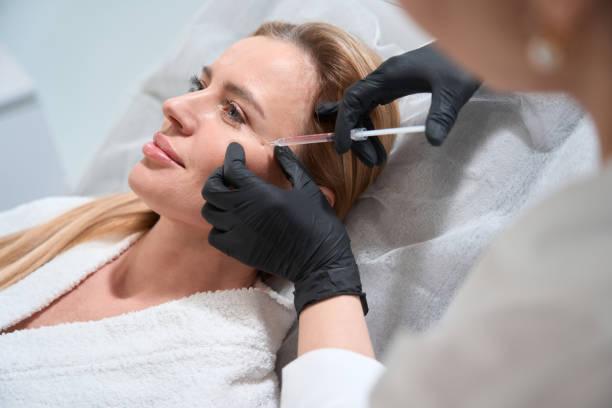

Facial asymmetry is common, but differences between the two sides of the face can sometimes become more noticeable because of volume loss, aging, previous procedures, or natural anatomy. Dermal Fillers injection in Dubai may help selected patients improve soft-tissue asymmetry when additional volume can create better visual balance.
The objective is not to make both sides mathematically identical. A well-planned treatment focuses on identifying the specific cause of the asymmetry and making proportionate corrections while preserving the natural structure and movement of the face.
Why Facial Asymmetry Happens
Almost every face has some degree of asymmetry.
One cheek may naturally sit slightly higher, one side of the jaw may have a different contour, or the lips may have subtle differences in shape.
Asymmetry can become more noticeable because of:
- Natural facial anatomy
- Age-related volume changes
- Uneven fat-volume loss
- Weight fluctuations
- Previous cosmetic procedures
- Differences in muscle activity
- Dental or skeletal factors
- Skin and soft-tissue changes
Understanding the cause is important because filler can address selected soft-tissue differences but cannot correct every type of asymmetry.
How Dermal Fillers injection in Dubai May Improve Asymmetry
Filler can provide additional volume in carefully selected areas.
For example, if one cheek has less soft-tissue volume than the other, a practitioner may assess whether adding a controlled amount could improve the visual balance.
Similar considerations may apply to selected areas of the lips, chin, or jawline.
The treatment should be based on the degree and type of asymmetry rather than automatically using equal quantities on both sides.
Natural Asymmetry Versus Volume-Related Asymmetry
Not every facial difference requires correction.
Some asymmetries are part of a person's natural facial identity and may not be noticeable in normal conversation.
Others become more apparent because of localized volume changes.
A consultation should distinguish between these situations.
If the asymmetry is primarily caused by bone structure, dental factors, muscle activity, or significant tissue laxity, filler may have limited ability to address the underlying cause.
Dermal Fillers injection in Dubai Requires Side-by-Side Assessment
Facial asymmetry should be evaluated by comparing both sides rather than assessing only the side the patient considers problematic.
A practitioner may examine:
- Cheek projection
- Lip borders
- Chin position
- Jawline contour
- Temple volume
- Facial width
- Skin and soft-tissue characteristics
The face may also be evaluated while relaxed and during expression because some asymmetries become more obvious when the facial muscles move.
Cheek Asymmetry and Filler
Differences in cheek volume can affect how symmetrical the entire face appears.
One cheek may have greater projection, while the other may appear flatter because of natural anatomy or localized volume loss.
Filler can sometimes be used to provide selected structural support.
However, adding too much product to the flatter side can create a new imbalance.
Conservative correction and reassessment are therefore important.
Lip Asymmetry and Facial Balance
The upper and lower lips can differ from side to side.
One corner may sit slightly higher, or the vermilion border may have different definition on each side.
Small amounts of filler may sometimes improve selected differences.
The objective should remain subtle because excessive product can make the lips appear heavier without necessarily improving symmetry.
Lip movement should also be considered because the lips change shape during speaking and smiling.
Chin and Jawline Asymmetry
The lower face can display differences in chin position or jawline contour.
These differences may originate from bone structure, soft-tissue volume, or a combination of factors.
Filler may provide some soft-tissue correction in selected cases.
However, substantial skeletal asymmetry cannot necessarily be corrected through injectable treatment alone.
A medical assessment is therefore important before assuming that filler is the appropriate solution.
Product Selection Matters
Dermal fillers vary in their physical properties.
Differences in firmness, elasticity, cohesivity, and tissue interaction can affect how a filler behaves after injection.
The appropriate product depends on the treatment area and desired correction.
A formulation selected for the lips may not be the same formulation preferred for structural contouring in the cheek, chin, or jawline.
Product selection should therefore be based on clinical assessment rather than simply choosing the most familiar filler.
Why Placement Is More Important Than Equal Volume
A common misconception is that correcting asymmetry means injecting the same amount into both sides.
In reality, the two sides may require different approaches.
One side may need a small amount of structural support, while the other may require no additional product.
The location, depth, and distribution of filler can have a greater effect on visual balance than simply increasing volume.
How Much Filler Is Needed for Asymmetry
There is no standard syringe amount for facial asymmetry.
The required volume depends on:
- Severity of the difference
- Treatment area
- Existing soft-tissue volume
- Filler characteristics
- Desired degree of correction
- Previous filler
- Facial proportions
A conservative approach may involve correcting the most noticeable difference first and then reassessing.
Trying to eliminate every minor asymmetry can lead to unnecessary filler.
Dermal Fillers injection in Dubai for Different Types of Asymmetry
| Type of Asymmetry | Possible Cause | Filler Consideration |
|---|---|---|
| Uneven cheek projection | Soft-tissue volume difference | May be suitable in selected cases |
| Uneven lip border | Natural anatomy or volume difference | Conservative correction may help |
| Different chin projection | Soft tissue or skeletal structure | Requires anatomical assessment |
| Uneven jawline contour | Soft tissue or bone structure | Filler may provide selected contouring |
| Uneven temple volume | Localized volume difference | Requires careful planning |
| Muscle-related asymmetry | Differences in muscle activity | Filler may not address the primary cause |
| Skeletal asymmetry | Underlying bone structure | Injectable correction may be limited |
This distinction prevents the assumption that every form of facial asymmetry can be corrected with filler.
Existing Filler Can Complicate Asymmetry
Previous filler can sometimes contribute to an uneven appearance.
Patients should disclose previous treatments and, where possible, provide information about the areas treated.
Residual filler can affect current contours even when the patient believes the product has disappeared.
Adding more filler without evaluating existing volume may make the asymmetry more pronounced.
A practitioner may therefore need to assess the entire facial region before deciding whether additional product is appropriate.
Asymmetry After Weight Loss
Weight changes can alter facial volume unevenly.
One side may appear flatter or more hollow than the other after significant weight loss.
However, volume loss and skin laxity can occur at the same time.
Filler may help when localized volume deficiency is the primary issue, but it may not fully address loose skin or tissue descent.
Patients experiencing substantial weight fluctuations may benefit from waiting until their weight is relatively stable before making long-term facial-volume decisions.
Why Staged Correction Can Be Useful
Facial asymmetry can be difficult to judge immediately after treatment because swelling may temporarily affect both sides.
A staged approach can allow the tissue to settle before additional filler is considered.
This is particularly useful when the difference between the two sides is subtle.
The goal is to avoid correcting an asymmetry too aggressively based on an early appearance that may change during recovery.
What Makes an Asymmetry Correction Look Natural
Natural-looking correction depends on proportion.
A successful result does not require the two sides to become identical under close inspection.
Instead, the aim may be to reduce the visual difference enough that the overall face appears more balanced.
Important principles include:
- Conservative volume
- Precise placement
- Appropriate product selection
- Consideration of facial movement
- Assessment of both sides
- Respect for natural anatomy
- Reassessment before further treatment
When Filler May Not Be the Right Solution
Some types of facial asymmetry are better evaluated through other medical or dental approaches.
Potential non-filler causes include:
- Significant skeletal differences
- Dental or bite-related factors
- Major muscle imbalance
- Substantial skin laxity
- Previous surgical changes
- Neurological or functional concerns
If the asymmetry is sudden, progressive, or associated with functional symptoms, medical assessment should take priority over cosmetic treatment.
Recovery After Asymmetry Correction
Temporary effects can occur following dermal filler treatment.
These may include:
- Swelling
- Bruising
- Redness
- Tenderness
- Firmness
- Temporary asymmetry
Temporary unevenness can be particularly noticeable when the treatment itself is intended to correct asymmetry.
Patients should follow their practitioner's aftercare instructions and allow the treated areas sufficient time to settle before judging the final result.
Planning Treatment Around Dubai's Climate
Dubai's heat and strong sunlight can make recovery planning important.
Patients may prefer to schedule treatment when they can reduce prolonged outdoor exposure during the early recovery period.
Exercise, heat exposure, travel, and major social events should also be considered when choosing the treatment date.
The exact aftercare recommendations should come from the treating medical professional because recovery requirements vary between treatments and individuals.
Safety Considerations for Dermal Fillers injection in Dubai
Facial filler should be administered by an appropriately qualified medical professional with knowledge of facial anatomy and filler-related complications.
Common temporary effects such as swelling and bruising are usually expected, but uncommon serious complications can occur.
Vascular occlusion is one important complication in which filler interferes with blood flow within a blood vessel.
Patients should seek urgent medical assessment if they develop severe or worsening pain, significant skin discoloration or mottling, unusual changes in the treated area, or visual symptoms after treatment.
Prompt professional assessment is important when concerning symptoms develop.
Questions to Ask Before Treating Facial Asymmetry
A consultation should establish why the two sides look different.
Useful questions include:
- What is causing my facial asymmetry?
- Is the difference related to soft-tissue volume?
- Could bone or dental structure be contributing?
- Which side actually requires correction?
- What filler formulation is appropriate?
- Where would the filler be placed?
- Does the amount need to differ between the two sides?
- Could previous filler be contributing to the imbalance?
- Would staged treatment be safer or more appropriate?
- What symptoms would require urgent medical assessment?
These questions help prevent unnecessary treatment of natural or structural differences that filler cannot effectively correct.
The Goal Is Balance, Not Perfect Symmetry
Perfect facial symmetry is neither common nor necessarily desirable.
Small differences often contribute to a person's natural appearance.
The purpose of treatment should therefore be to reduce a noticeable imbalance while preserving the character of the face.
A conservative correction can sometimes provide a more convincing result than attempting to make both sides identical.
The Strategic Investment in Dermal Fillers injection in Dubai
Facial asymmetry can have many causes, and filler is most useful when the difference is related to a correctable soft-tissue volume change. Dermal Fillers injection in Dubai may help selected patients improve cheek, lip, chin, jawline, or other localized asymmetries through individualized placement and controlled volume.
For patients considering correction, Tajmeels Clinic can assess facial symmetry, existing filler, underlying proportions, and treatment suitability before developing a personalized approach.
