

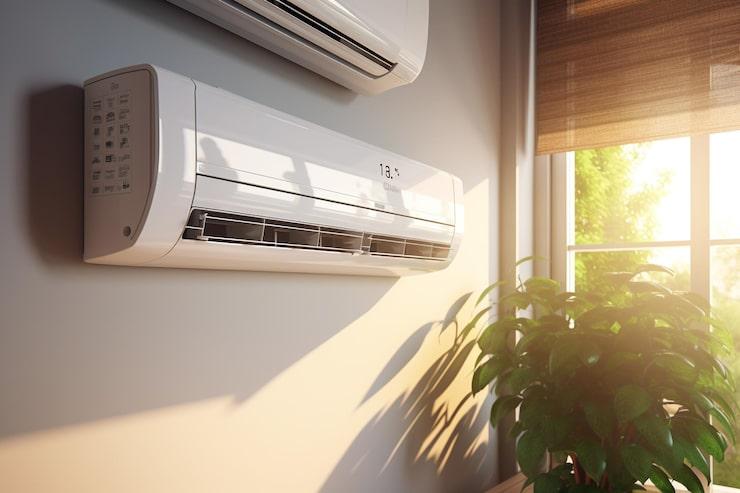

Oman’s hot and humid climate makes air conditioning an essential part of everyday life across residential, commercial, and industrial environments. As urban areas expand and new buildings continue to emerge, the need for dependable cooling systems is increasing. At the same time, consumers and businesses are becoming more attentive to energy consumption, operating costs, and environmentally responsible cooling technologies.
The Oman Air Conditioner industry report examines the country’s cooling landscape across different air conditioner types, end users, and sales channels. The study highlights hot climate conditions, urbanization, energy-efficient technologies, inverter systems, eco-friendly refrigerants, and maintenance requirements as important factors influencing the industry.
Hot Weather Keeps Cooling Demand Strong
Oman experiences extremely high temperatures during summer, making effective indoor temperature control essential. Air conditioners are therefore not simply comfort appliances but an important component of residential, commercial, and industrial infrastructure. Rising population density in urban areas and ongoing construction activity are further supporting the need for dependable cooling solutions.
New buildings also create opportunities for advanced systems capable of managing larger spaces while maintaining efficient energy use. Building developers and facility owners are increasingly considering cooling performance alongside long-term operating expenses when selecting air-conditioning equipment.
Centralized Systems Suit Large Buildings
The Oman industry includes several product categories, including window ACs, split ACs, floor-standing systems, cassette ACs, packaged ACs, ducted split systems, and centralized air conditioners. Among these, centralized AC systems hold a leading position in the report because they can efficiently cool large residential and commercial spaces while allowing centralized temperature management.
Centralized systems can also provide greater control over cooling operations in larger facilities. Their ability to integrate temperature management across multiple areas makes them particularly relevant for buildings where consistent indoor conditions are required.
Energy Efficiency Is Becoming More Important
High cooling requirements naturally increase electricity consumption, making energy efficiency a critical consideration for households and businesses. Oman’s Energy Efficiency and Sustainability Code includes requirements affecting HVAC systems and building energy performance, reinforcing the importance of efficient cooling in building design.
Consumers are also becoming more interested in equipment that can deliver effective cooling while reducing electricity use. Inverter technology is gaining attention because these systems can adjust compressor operation according to cooling requirements rather than relying on constant full-speed operation. This can support more efficient temperature management and potentially reduce operating costs.
Eco-Friendly Cooling Creates New Opportunities
The transition toward environmentally responsible cooling is another important development. The report identifies growing demand for energy-saving and eco-friendly air conditioners as an opportunity for manufacturers and distributors. Inverter compressors and refrigerants with lower global warming potential are among the technologies receiving greater attention.
Such developments align with broader efforts to improve building sustainability. Oman’s building framework now includes dedicated provisions for energy efficiency and sustainability, while its mechanical requirements address cooling, air-conditioning, refrigeration, and related equipment. This regulatory direction can encourage the adoption of more efficient systems in new construction and building upgrades.
Maintenance Remains a Key Challenge
Although advanced air conditioners can offer improved efficiency and functionality, maintenance remains an important consideration. More sophisticated equipment may require specialized technical expertise, while inadequate servicing can reduce cooling performance and increase operating expenses.
Regular maintenance can help equipment operate more effectively over its useful life. Oman’s electricity regulator has previously emphasized the importance of maintaining cooling equipment and selecting efficient appliances, particularly because air conditioning can account for a substantial portion of household electricity consumption during hot periods. The Authority for Public Services Regulation’s energy-efficiency guidance provides consumers with practical information on choosing and using cooling equipment efficiently.
Authorized Distributors Strengthen Product Access
Distribution also plays an important role in Oman’s air-conditioning landscape. Authorized distributors represent the leading sales channel identified in the report, supported by established infrastructure, consumer confidence, regulatory compliance, and after-sales assistance.
For customers purchasing sophisticated cooling systems, access to installation, maintenance, replacement parts, and technical support can influence purchasing decisions. Authorized distributors can therefore provide value beyond product availability by supporting customers throughout the equipment lifecycle.
Smart Cooling Is Shaping the Future
The growing popularity of smart and inverter technologies is changing how consumers interact with air-conditioning systems. Modern equipment can provide greater control, customized cooling, and improved energy management. Integration with home automation systems can further increase convenience by allowing users to manage cooling according to occupancy, schedules, and individual preferences.
For commercial buildings, similar technologies can support centralized monitoring and more efficient management of cooling loads. As digital controls become increasingly accessible, smart functionality is likely to become an important differentiating factor for air-conditioning products.
Building a More Efficient Cooling Landscape
Oman’s air-conditioning industry is evolving alongside changing construction patterns, technological improvements, and sustainability priorities. Strong cooling requirements will continue to make air conditioners essential, but purchasing decisions are increasingly influenced by energy efficiency, environmental performance, smart functionality, and long-term maintenance.
The combination of centralized cooling for larger facilities, inverter technology, improved refrigerants, energy-efficiency standards, and stronger service networks can help create a more reliable and sustainable cooling ecosystem. As Oman continues developing its built environment, efficient air-conditioning solutions are positioned to play an increasingly important role in maintaining comfortable and productive indoor spaces.
