


How Long Does an ANA Test Take? Procedure and Results Explained
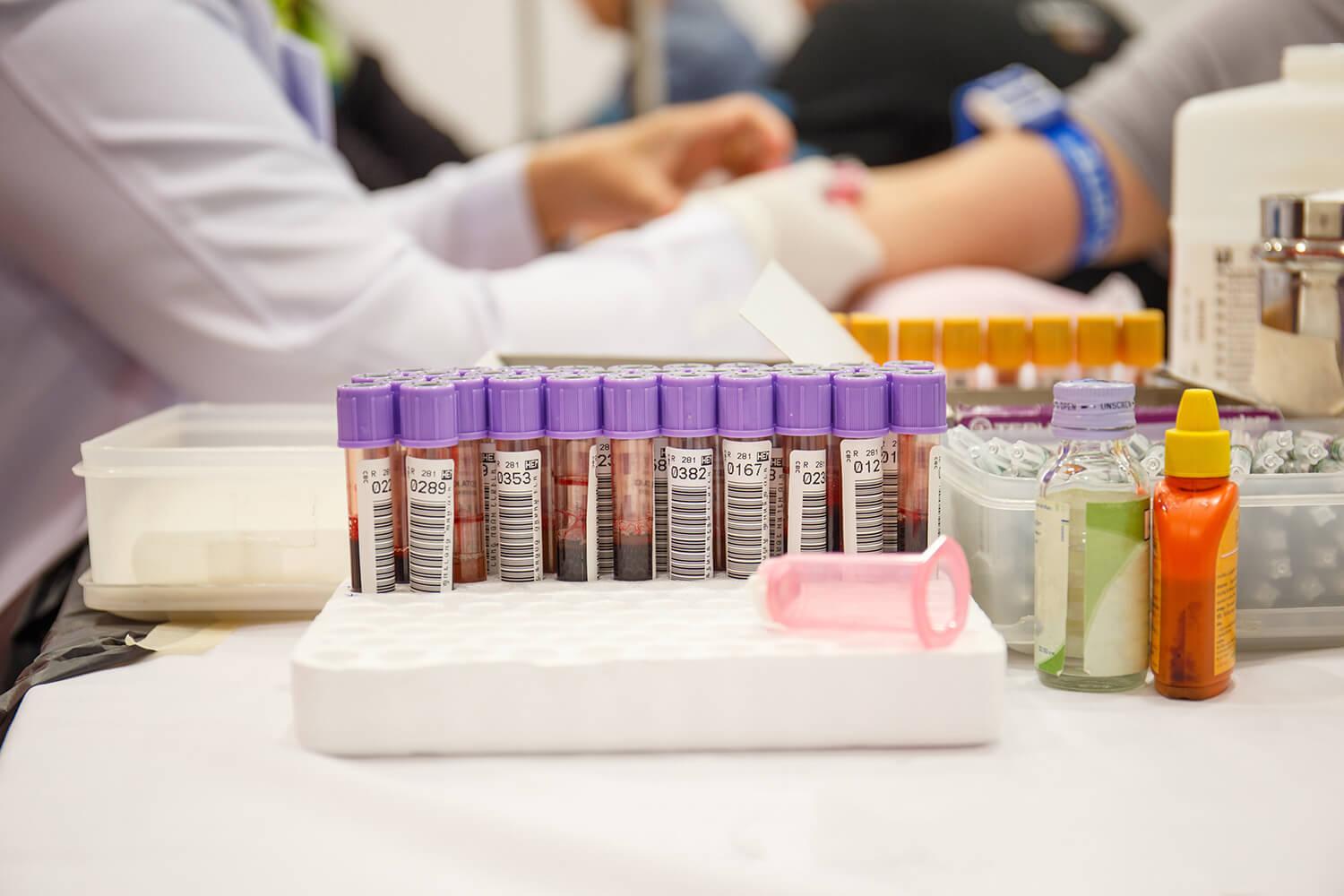
If your doctor has ordered an ANA test, you may be wondering how long the appointment will take, when you will receive the results, and what happens between having your blood drawn and getting your laboratory report.
The ANA test, short for Anti-Nuclear Antibodies ANA Test Dubai, is a blood test commonly used when a healthcare professional is evaluating symptoms that may be associated with certain autoimmune diseases. The blood collection itself is usually quick, but laboratory processing and result reporting can take longer.
The exact timeline depends on the laboratory, testing method, and whether additional autoimmune tests are performed at the same time.
The ANA Test Timeline at a Glance:
For most people, the ANA testing process follows a simple sequence:
The actual blood draw may take only a few minutes. However, receiving the final ANA report can take longer because the sample may need specialized laboratory analysis.
Some laboratories can process ANA testing relatively quickly, while others may require additional time, particularly when indirect immunofluorescence testing or specialized antibody analysis is involved.
How Long Does the ANA Blood Draw Take?
The physical process of collecting blood for an ANA test is generally very short.
A healthcare professional usually collects a small blood sample from a vein in your arm. The skin is cleaned, a needle is inserted, and the blood is collected into one or more tubes.
The blood collection itself often takes only a few minutes.
The overall appointment may take longer if your doctor has ordered other blood tests, if the laboratory is busy, or if additional paperwork and preparation are required.
For most people, there is no lengthy procedure associated with ANA blood collection.
What Happens During an ANA Test?
Understanding the procedure can make the test feel less unfamiliar.
1. Your Test Is Ordered:
An ANA test is generally ordered when your healthcare provider believes there may be a reason to evaluate for an autoimmune or connective tissue disease.
Symptoms that can lead to an autoimmune evaluation may include persistent joint pain, unexplained fatigue, skin rashes, sensitivity to sunlight, dry eyes or mouth, Raynaud's phenomenon, unexplained fever, or other systemic symptoms.
ANA testing can be used when conditions such as systemic lupus erythematosus, Sjögren's syndrome, systemic sclerosis, and certain other autoimmune disorders are being considered.
2. Your Blood Sample Is Collected:
The next step is a routine blood draw.
A needle is inserted into a vein, usually in the arm, and a small amount of blood is collected.
You may feel a brief pinch or pressure. Some people experience mild bruising or temporary soreness afterward.
If you are uncomfortable with needles or have previously felt faint during blood tests, tell the healthcare professional before the blood is drawn.
3. The Sample Goes to the Laboratory:
After collection, the sample is sent to a laboratory.
The laboratory uses the appropriate portion of the blood, often the serum, to look for antinuclear antibodies.
The exact method used can vary between laboratories.
How Is an ANA Test Analyzed?
One commonly used method for ANA testing is indirect immunofluorescence (IIF).
With this approach, a patient's serum is exposed to prepared laboratory cells. If antinuclear antibodies are present, they may bind to structures within those cells.
A fluorescent detection system allows laboratory professionals to observe antibody binding under a specialized microscope.
This process can provide information about both the presence of ANA and the appearance of antibody staining.
The laboratory may then report an ANA titer and staining pattern, depending on the method and laboratory practices.
Why Can ANA Results Take Longer Than the Blood Draw?
The blood draw is only the beginning of the process.
Laboratory analysis may require several steps, including sample preparation, testing, microscopic evaluation, result verification, and reporting.
If the test is performed using indirect immunofluorescence, trained laboratory personnel may need to evaluate the staining pattern.
The turnaround time can also increase when:
-
The sample is sent to an outside laboratory
-
Specialized testing is required
-
Several autoimmune tests were ordered
-
The laboratory has a high testing volume
-
Additional verification is needed
For this reason, it is normal for the ANA result to take longer than the actual blood collection.
How Long Does It Usually Take to Get ANA Results?
There is no single turnaround time that applies to every laboratory.
In many cases, ANA results may be available within a few days, but some laboratories may take longer. Specialized or additional antibody testing can extend the timeline.
If your doctor ordered ANA testing together with other autoimmune blood tests, you may receive results at different times.
The best way to know your expected turnaround time is to ask the laboratory or healthcare provider handling your test.
What Information Appears on an ANA Report?
An ANA laboratory report can contain more information than simply “positive” or “negative.”
Depending on the laboratory method, your report may include:
-
ANA result
-
ANA titer
-
ANA staining pattern
-
Testing method
-
Laboratory reference information
Understanding these terms can help you discuss the report with your healthcare provider.
What Is an ANA Titer?
The ANA titer describes how strongly detectable ANA reactivity persists during serial dilution of the sample.
ANA results may be reported using ratios such as 1:80, 1:160, 1:320, or 1:640.
A higher titer means that ANA reactivity remains detectable at a greater dilution.
However, a higher titer does not automatically mean that an autoimmune disease is present or that the disease is severe.
Laboratory methods and reporting practices can vary, so the result should be interpreted using the reference information provided by the laboratory.
What Is an ANA Pattern?
An ANA pattern describes the appearance and location of fluorescence when antibody binding is examined during certain ANA testing methods.
Common patterns include:
-
Homogeneous
-
Speckled
-
Nucleolar
-
Centromere
-
Cytoplasmic
Different patterns may be associated with different autoantibodies and autoimmune conditions.
For example, homogeneous and speckled patterns can occur in people with lupus, while centromere and certain nucleolar patterns can be associated with systemic sclerosis.
However, an ANA pattern is not a diagnosis. Its significance depends on the ANA titer, symptoms, medical history, and other test results.
What Does a Positive ANA Result Mean?
A positive ANA means that antinuclear antibodies were detected according to the laboratory's testing criteria.
It does not automatically mean that you have lupus or another autoimmune disease.
ANA positivity can occur in people with autoimmune disorders, but it can also occur in healthy individuals and in association with certain infections, medications, and other medical conditions.
This is why doctors do not generally interpret a positive ANA result in isolation.
The titer, staining pattern, symptoms, physical examination, and other laboratory findings all contribute to the overall interpretation.
What Does a Negative ANA Result Mean?
A negative ANA means that antinuclear antibody reactivity was not detected according to the laboratory's criteria.
A negative ANA can make systemic lupus erythematosus less likely because ANA is detected in most people with SLE.
However, a negative ANA does not rule out every autoimmune disease.
If symptoms remain concerning, your healthcare provider may consider other diagnoses or order different tests based on your clinical situation.
What Happens After a Positive ANA?
A positive result does not necessarily mean that you need treatment.
Instead, your healthcare provider may decide whether additional testing is appropriate.
Depending on the symptoms and suspected condition, follow-up testing may include:
-
Anti-dsDNA antibodies
-
Anti-Smith antibodies
-
SSA/Ro antibodies
-
SSB/La antibodies
-
RNP antibodies
-
Antiphospholipid antibodies
-
Rheumatoid factor
-
Anti-CCP antibodies
-
Complement C3 and C4
Other laboratory investigations may include a complete blood count, kidney function tests, liver tests, urinalysis, urine protein testing, ESR, or CRP.
The goal is to determine whether the ANA finding fits a particular autoimmune condition and whether there is evidence of inflammation or organ involvement.
Can ANA Results Be Available on the Same Day?
Sometimes, but it depends on the laboratory.
Some facilities may provide certain laboratory results relatively quickly, while others require additional processing time.
ANA testing that involves specialized methods or interpretation may not be available immediately.
If you need the result by a particular date, ask the laboratory when the report is expected rather than assuming it will be available the same day.
Why Do Some ANA Tests Take Longer Than Others?
Two people can have an ANA blood test on the same day and receive their results at different times.
Several factors can influence turnaround time.
Testing method: Different laboratory methods have different processing requirements.
Laboratory location: A sample sent to a reference laboratory may take longer than one processed on-site.
Additional testing: If a doctor orders an extended autoimmune antibody panel, some results may take longer.
Result verification: Certain findings may require additional review before the laboratory releases the final report.
Laboratory workload: High testing volumes can affect turnaround times.
Therefore, a delay does not necessarily indicate that something is wrong with your result.
Do You Need to Prepare for an ANA Test?
ANA testing itself generally does not require fasting.
You can usually eat and drink normally unless your healthcare provider has instructed you to fast because other blood tests are being performed at the same time.
It is also important to tell your healthcare professional about medications and supplements you take.
Do not stop prescription medication simply because you are having ANA testing unless your doctor specifically instructs you to do so.
Staying hydrated can also make the blood draw easier.
Does the Waiting Time Mean the Result Is Serious?
No.
The amount of time required to process an ANA test does not indicate whether the result will be positive, negative, normal, or abnormal.
A longer turnaround time may simply reflect the laboratory's testing process, workload, transportation of the sample, or additional analysis.
Avoid interpreting the waiting period itself as a sign that an autoimmune disease has been detected.
When Should You Follow Up About Your Results?
If the expected turnaround time has passed, contact the laboratory or healthcare provider who ordered the test.
When your result becomes available, ask your healthcare professional to interpret it in relation to your symptoms.
If the report includes an ANA titer or staining pattern, ask what those findings mean in your particular clinical context.
You may also want to ask whether additional autoimmune antibody testing is appropriate.
Can ANA Testing Be Used to Monitor Lupus?
ANA testing is important for evaluating suspected lupus, but the ANA result is generally not used by itself to monitor disease activity.
ANA positivity can persist even when symptoms are stable.
For people with diagnosed lupus, doctors may monitor disease activity using symptoms, physical findings, complete blood counts, kidney tests, urine analysis, complement levels, anti-dsDNA antibodies when appropriate, and other clinical assessments.
The exact monitoring plan depends on the individual's condition and organ involvement.
The Complete ANA Testing Journey:
From a patient's perspective, an ANA test may feel like a simple blood draw. Behind the scenes, however, several laboratory steps can occur.
The process generally looks like this:
Clinical evaluation → ANA test ordered → blood collected → sample processed → antinuclear antibodies assessed → titer and pattern determined when appropriate → laboratory report completed → doctor interprets the result → follow-up testing if needed.
The blood collection is usually the quickest part. The laboratory analysis and clinical interpretation require more time.
Final Answer: How Long Does an ANA Test Take?
The ANA blood draw itself usually takes only a few minutes, but receiving the final result can take several days or longer depending on the laboratory, testing method, and whether additional autoimmune testing is required.
Your ANA report may include a positive or negative result, an ANA titer, and a staining pattern. These findings can provide useful clues when evaluating autoimmune diseases, but they cannot diagnose lupus or another condition by themselves.
If your result is positive, your healthcare provider may recommend additional tests such as anti-dsDNA, anti-Smith, SSA/Ro, SSB/La, complement levels, blood counts, kidney testing, or urinalysis, depending on your symptoms.
Most importantly, do not judge the seriousness of an ANA result based on how quickly or slowly the report arrives. Laboratory turnaround time reflects the testing process, not the severity of a medical condition.
If you are waiting for an ANA Lab tests result, the laboratory or healthcare professional who ordered the test can provide the most accurate information about when your specific report should be available.
Frequently Asked Questions About ANA Test Timing:
How long does an ANA blood test take?
The blood collection usually takes only a few minutes. Laboratory processing may take several days, depending on the testing method and facility.
Can ANA results come back the same day?
Some laboratories may provide results quickly, but same-day reporting is not guaranteed. The turnaround time varies by laboratory and testing method.
Why is my ANA result taking so long?
Possible reasons include laboratory workload, sample transportation, specialized testing, or additional review of the result. A delay does not necessarily indicate an abnormal result.
How long does an ANA test take to process?
Processing time varies. Routine results may be available within a few days, while specialized testing can take longer.
How quickly can I get an ANA titer result?
The ANA titer may be reported with the ANA result, but the timing depends on the laboratory's testing method and workflow.
Does a positive ANA take longer to process?
Not necessarily. The turnaround time does not reliably indicate whether an ANA result will be positive or negative.
How long after an ANA test should I contact my doctor?
Follow the timeframe provided by your laboratory or healthcare provider. If the expected reporting date has passed, contact the facility that ordered or processed the test.
Medical disclaimer: This article is intended for general educational purposes and does not replace professional medical advice, diagnosis, or treatment. Always discuss your individual laboratory results and health concerns with a qualified healthcare professional.

 Bangla