

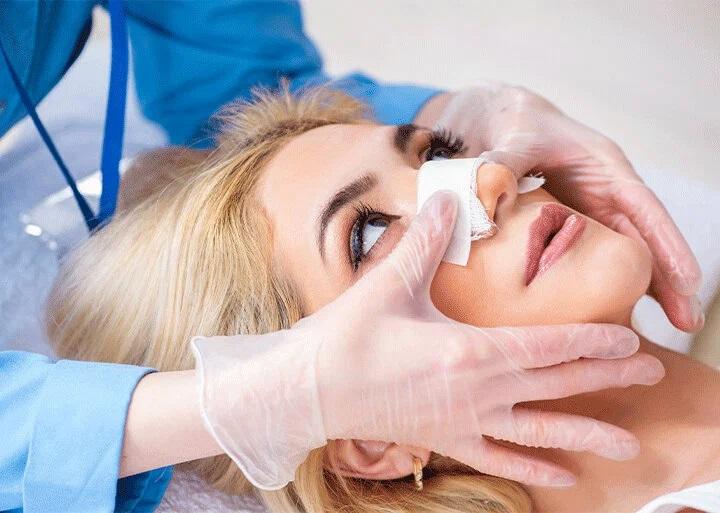

Thinking about rhinoplasty can bring a mix of excitement and nervousness. You may have questions about what will happen during the consultation, whether your desired changes are possible, and what the recovery process could look like.
If you are considering Rhinoplasty in Islamabad, your first consultation is an important opportunity to understand the procedure before making any decision. It is not simply an appointment to discuss surgery—it is a chance to meet the surgeon, explain your concerns, ask questions, and learn whether rhinoplasty is appropriate for your individual needs.
Why Your First Consultation Matters
A rhinoplasty consultation helps establish the foundation for your treatment journey. The surgeon needs to understand what you want to change while also assessing your nasal structure and overall facial proportions.
A good consultation should be informative rather than rushed. You should leave with a clearer understanding of your options, realistic expectations, and the factors that may influence your treatment.
There is also no obligation to decide immediately. Taking time to consider the information you receive can help you make a more confident choice.
What Should You Do Before the Appointment?
You do not need to prepare a complicated presentation before meeting your surgeon. However, thinking about your concerns beforehand can make the conversation more productive.
Consider what you like or dislike about your nose and whether your concerns are mainly cosmetic, functional, or both. If you have had a previous nasal injury, surgery, or breathing problem, make sure you mention it.
Honest information helps your surgeon understand your situation more accurately. You can also write down questions you want to ask so you do not forget them during the appointment.
Rhinoplasty in Islamabad: What Can You Expect During Your Consultation?
When attending a consultation for Rhinoplasty in Islamabad, the exact process can vary depending on the clinic and your individual circumstances. However, a professional consultation will generally involve discussion, assessment, and treatment planning.
You may discuss:
- Your main concerns: Explain which features of your nose you would like to improve.
- Medical history: The surgeon may ask about previous procedures, injuries, allergies, medications, and relevant health information.
- Nasal assessment: Your surgeon may examine the structure and appearance of your nose.
- Facial proportions: The relationship between your nose and other facial features may be considered.
- Breathing concerns: Mention any difficulty breathing through your nose.
- Desired outcome: Discuss whether you prefer subtle refinement or more noticeable changes.
- Surgical options: Your surgeon can explain which approaches may be suitable for your case.
- Recovery: You should receive information about healing, swelling, and postoperative care.
The purpose of the consultation is to create an individualized understanding of your treatment rather than place you into a standard rhinoplasty plan.
Your Surgeon May Examine Your Nose Closely
During the consultation, the surgeon may assess different aspects of your nose, including its shape, symmetry, bridge, tip, nostrils, and overall proportions. The internal structure may also be relevant, particularly if you have breathing concerns.
Your nasal anatomy plays an important role in determining what can realistically be changed. A surgeon may explain how cartilage, bone, skin thickness, and existing structural features could influence the procedure.
This assessment helps distinguish between what you would like to change and what can safely and realistically be achieved.
Discuss Your Desired Results Honestly
Many patients arrive with photographs of celebrities, influencers, or people who have undergone rhinoplasty. Reference images can help communicate your preferences, but they should not be treated as a blueprint for your own surgery.
Your nose needs to suit your face, not someone else's facial structure. Explain what you like about a particular example instead of simply asking for an identical nose.
Your surgeon can then explain which aspects may be achievable and which may not be appropriate for your anatomy.
Cosmetic Concerns Are Not the Only Consideration
Although many people seek rhinoplasty to improve appearance, the nose also has an important functional role. Breathing difficulties, nasal obstruction, previous trauma, or structural issues may need to be considered.
Always tell your surgeon about breathing problems, even if appearance is your main concern. This information can influence the assessment and treatment plan.
A thorough consultation considers the patient as a whole rather than focusing exclusively on external appearance.
Your Facial Proportions May Be Discussed
A nose does not exist independently from the rest of your face. Its size, projection, width, and shape can influence overall facial balance.
Good rhinoplasty planning considers facial harmony rather than chasing a universally "perfect" nose. Your surgeon may explain how potential changes could affect your profile and front-facing appearance.
This individualized approach can be particularly useful for Pakistani patients with diverse facial features and aesthetic preferences.
You May Discuss Surgical Techniques
During your consultation, you may hear terms such as open rhinoplasty, closed rhinoplasty, tip refinement, revision rhinoplasty, or functional rhinoplasty.
These terms can initially seem confusing, but your surgeon should explain what they mean and whether any are relevant to your situation. The recommended technique should be based on your anatomy and surgical goals.
Do not feel that you need to choose a technique yourself. Your surgeon's role is to explain the options and why a particular approach may be appropriate.
Ask About Recovery
One of the most useful parts of your consultation is learning what happens after surgery. Rhinoplasty recovery is gradual, and swelling can make the nose look different during the early stages of healing.
Do not expect the final appearance immediately after surgery. Your surgeon should explain the expected recovery process, activity restrictions, follow-up appointments, and general aftercare.
Understanding recovery beforehand can help you plan work, social commitments, and other responsibilities.
Ask About Potential Risks
Every surgical procedure carries potential risks, and rhinoplasty is no exception. Your consultation should include an honest discussion about possible complications and limitations.
A responsible surgeon should explain both benefits and risks. You should have the opportunity to ask what could happen during recovery and how postoperative concerns would be managed.
Do not hesitate to ask questions simply because they seem basic. Understanding the procedure is part of making an informed decision.
Questions You Should Ask Your Surgeon
Your consultation is also your opportunity to evaluate the surgeon and clinic. Consider asking questions about experience, treatment planning, recovery, and follow-up care.
Clear answers can help you decide whether you feel comfortable moving forward. You can ask about the surgeon's rhinoplasty experience, the recommended approach for your nose, expected recovery, possible risks, and postoperative support.
You can also ask what happens if your healing progresses differently than expected. A professional clinic should be willing to discuss these issues openly.
Don't Feel Pressured to Book Surgery
Some patients feel that they need to make a decision immediately after their consultation. You do not have to rush simply because you have attended an appointment.
A good consultation should give you information, not pressure. Take time to think about what you have learned and consider another professional opinion if you remain uncertain.
Rhinoplasty is a personal decision, so you should feel comfortable with both the surgeon and the proposed treatment plan before proceeding.
What Makes a Consultation a Positive Experience?
A productive consultation should leave you feeling that your concerns were heard and your questions were answered. You should understand the general treatment approach and have realistic expectations about what surgery can accomplish.
Feeling informed is more important than feeling persuaded. Pay attention to whether the surgeon listens to you, explains information clearly, and takes your individual anatomy seriously.
The consultation is also an opportunity to see whether the clinic's communication style suits you.
After the Consultation
Once your appointment is finished, review the information you received. Think about whether the proposed changes match your goals and whether you understand the recovery and follow-up process.
Do not compare your potential result solely with photographs found online. Your anatomy, healing process, and treatment plan are unique.
If something remains unclear, contact the clinic or discuss it during a follow-up consultation before making your final decision.
Final Thoughts
Your first consultation is one of the most important stages when considering Rhinoplasty in Islamabad. Use the appointment to discuss your goals, understand your nasal anatomy, explore appropriate techniques, learn about recovery and risks, and decide whether you feel comfortable with the surgeon's approach.
For patients considering rhinoplasty, Dynamic Aesthetic Clinic is worth considering for its expertise, board-certified surgeons, and advanced techniques relevant to modern rhinoplasty and facial aesthetic care. A professional consultation can help you understand your options and determine an approach suited to your individual features.

