


A poorly whisked cup is one of the most common reasons people give up on matcha before ever giving it a fair chance. Clumpy, gritty, or flat matcha isn't usually a sign of bad matcha, it's almost always a sign of technique that hasn't quite been figured out yet. The good news is that whisking matcha properly is a skill that comes together quickly once broken down into its actual steps.
Why Technique Matters So Much With Matcha
Unlike steeped tea, where the leaves simply infuse into water on their own, matcha requires the entire ground leaf to be evenly dispersed and aerated throughout the liquid. Done well, this creates a smooth, slightly frothy texture with a genuinely pleasant mouthfeel. Done poorly, matcha clumps together, sits unevenly in the water, and delivers an inconsistent, sometimes gritty experience that doesn't reflect what properly prepared matcha should actually taste and feel like.
Start With the Right Tools
While matcha can technically be prepared with basic kitchen equipment, a few specific tools make a genuinely noticeable difference. A traditional bamboo whisk, known as a chasen, is specifically designed with dozens of fine bristles that create the rapid, even agitation needed to properly aerate matcha, something a regular whisk or spoon simply can't replicate as effectively. A wide, shallow bowl, traditionally called a chawan, also helps by giving the whisk enough room to move freely in a proper zig-zag motion.
Sift Before You Whisk
This step gets skipped constantly, and it's often the single biggest reason for clumpy matcha. Matcha powder naturally settles and compacts during storage, forming small clumps that don't dissolve easily once water is added. Passing the powder through a fine mesh sifter directly into the bowl before adding any water breaks up these clumps in advance, giving the whisk a genuine head start toward achieving a smooth, even texture.
Get the Water Temperature Right
Water that's too hot is another common culprit behind disappointing matcha. Boiling water scorches the delicate leaf, bringing out unwanted bitterness and dulling the naturally sweet, umami-rich flavor genuine matcha is known for. Water heated to somewhere between 175 and 185 degrees Fahrenheit, noticeably hot but well short of a rolling boil, allows matcha's flavor to come through properly without the harshness that boiling water introduces.
The Whisking Motion Itself
This is where most of the actual technique lives. Rather than stirring in slow circles, the way one might mix a regular hot drink, matcha needs a brisk, controlled zig-zag or "W" motion, moving the whisk quickly back and forth across the bottom of the bowl. This motion is what actually creates the light, frothy layer on top that properly whisked matcha is known for, incorporating air into the mixture rather than simply combining powder and water together. The motion should come primarily from the wrist rather than the whole arm, allowing for the kind of fast, controlled movement the technique actually requires.
How Long to Actually Whisk
Whisking matcha properly typically takes somewhere between fifteen and thirty seconds of continuous motion, though this varies slightly depending on the amount of matcha being prepared and the specific whisk being used. The goal is a smooth, uniform consistency with a visible layer of fine, light froth across the top, no visible clumps or unmixed powder remaining at the bottom of the bowl.
Common Mistakes That Undermine a Good Whisk
A few recurring mistakes account for most disappointing homemade matcha. Adding too much water at once before whisking, rather than starting with a small amount to create a smooth paste first, often leads to uneven mixing. Whisking too gently, without enough speed or wrist motion, fails to create the aeration that gives matcha its signature texture. And using water that's either too hot or not hot enough both affect the final result in noticeably different ways, one through bitterness, the other through matcha that never fully dissolves properly.
A Two-Stage Approach for Best Results
Experienced matcha drinkers often recommend a two-stage whisking approach for the smoothest possible result. Start by adding just a small splash of hot water to the sifted matcha, whisking it into a smooth, lump-free paste first. Once that paste is fully smooth, add the remaining water and continue whisking briskly until the characteristic froth develops on top. This two-stage method genuinely reduces the chances of stubborn clumps surviving into the final cup.
Where a Brand Like Pekoe Supports Proper Preparation
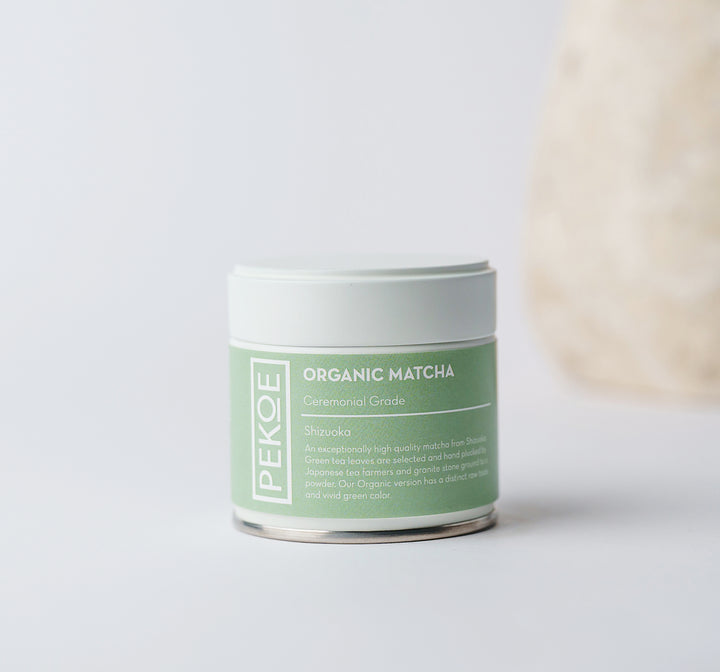
Pekoe, a tea brand with a dedicated matcha collection, offers matcha genuinely suited to traditional whisking, sourced from respected Japanese growing regions and stone-ground to preserve the fine, smooth texture that makes proper technique actually pay off. Starting with quality matcha matters just as much as technique itself, since even perfect whisking can't fully compensate for a coarser, lower-quality powder that resists smooth dispersion no matter how carefully it's prepared.
Getting a Smooth Cup Every Time
Whisking matcha properly comes down to a handful of specific details working together, sifting the powder first, using water at the right temperature, whisking briskly in a controlled zig-zag motion, and building the mixture in two stages rather than all at once. Master these fundamentals, and a smooth, genuinely frothy cup becomes considerably easier to achieve consistently, turning matcha from an occasional experiment into a reliable, enjoyable daily ritual.
For more information
TikTok: mypekoe
Instagram: mypekoe
Facebook: mypekoe
