Having a mole removed is a significant step toward better skin health, but the journey doesn't end when you leave the clinic. Mole Removal in Riyadh Proper follow-up care is essential for ensuring optimal healing, minimizing scarring, and catching any potential complications early. For those who have undergone Mole Removal in Riyadh, understanding the importance of follow-up care can make a substantial difference in your recovery and final results.
The Critical Role of Follow-Up Visits
Monitoring Healing and Scarring
One of the primary reasons for follow-up appointments is to monitor the healing process. Your dermatologist will examine the treated area to ensure the wound is closing properly, that there are no signs of infection, and that the scar is maturing as expected. Early detection of any issues allows for timely intervention, which can significantly improve the cosmetic outcome.
Reviewing Pathology Results
If your mole was sent for a biopsy, a follow-up visit is essential for receiving and understanding the results. This is the only way to definitively confirm whether the mole was benign, precancerous, or malignant. Your dermatologist will explain the findings and discuss any further steps needed if cancer is detected. For those who have undergone Mole Removal in Riyadh, this step is critical for peace of mind and long-term health.
Long-Term Skin Surveillance
Routine Self-Examinations
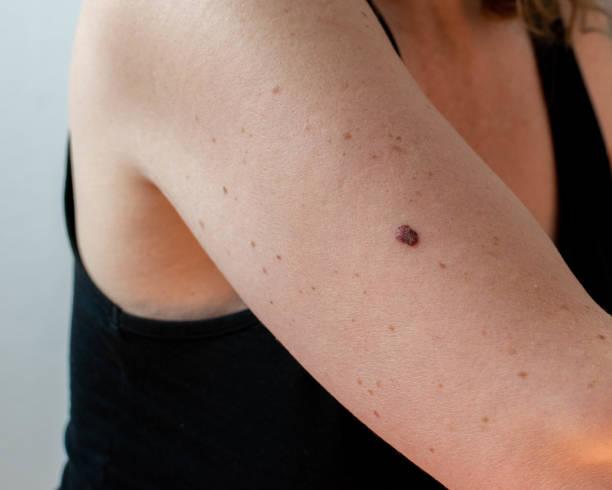
Having a history of mole removal often makes regular surveillance more important, not less. It indicates that your skin has a tendency to produce marks that require professional oversight. Performing monthly self-examinations can help you detect any new or changing moles early. Look for the ABCDE signs—asymmetry, irregular borders, color variation, diameter larger than 6mm, or evolution over time—and report any concerns to your dermatologist promptly.
Professional Skin Checks
In addition to self-exams, regular professional skin checks are essential. Your dermatologist will recommend a schedule based on your personal risk factors, including your history of skin cancer, number of moles, and family history. For those who have had Mole Removal in Riyadh, these professional evaluations provide a comprehensive assessment of your entire body, including areas difficult to examine yourself.
Aftercare for Optimal Healing
Sun Protection is Non-Negotiable
Protecting the treated area from sun exposure is one of the most important steps in aftercare. UV rays can cause the new skin to become permanently darker, making the scar more noticeable. Apply a broad-spectrum sunscreen with SPF 30 or higher to the healed area every day for at least 6 to 12 months.
Scar Management
Once the wound is fully closed (usually after 2-3 weeks), you can begin active scar management. Silicone gels or sheets are clinically proven to help flatten and lighten scars. Gentle massage can also help soften scar tissue over time. Follow your dermatologist's recommendations for the best approach to minimize scar visibility.
Recognizing When to Contact Your Surgeon
While most recoveries are smooth, it is important to be vigilant for signs of complications. Contact your dermatologist immediately if you experience:
-
Increasing redness, warmth, swelling, or pain
-
Discharge or unusual odor from the wound
-
Persistent bleeding
-
Signs of infection such as fever or chills
Early attention to these symptoms can prevent more serious issues and protect your health. For those who have undergone Mole Removal in Riyadh, staying informed and proactive about follow-up care is the best way to ensure a safe and satisfying outcome.
For those seeking expert guidance and customized aesthetic care, you can book an appointment consultation at the Enfield Royal Clinic.
Frequently Asked Questions
Why are follow-up visits necessary after mole removal?
Follow-up visits allow your dermatologist to monitor healing, check for complications, and discuss biopsy results to ensure the mole was completely and safely removed .
When should I schedule my first checkup?
The first follow-up is typically scheduled 1 to 2 weeks after the procedure, often for wound assessment and suture removal .
What if my mole was sent for a biopsy?
A follow-up appointment is essential for receiving and understanding your pathology results, which definitively confirm if the mole was benign or malignant.
How often should I have skin checks after mole removal?
Your dermatologist will recommend a frequency based on your personal risk. It could be annually, or more frequently if you have a history of atypical moles or skin cancer .
What happens during a long-term skin check?
Your dermatologist will perform a full-body examination to monitor your surgical scars and check for any new moles or changes to existing ones, ensuring early detection of any potential issues .