

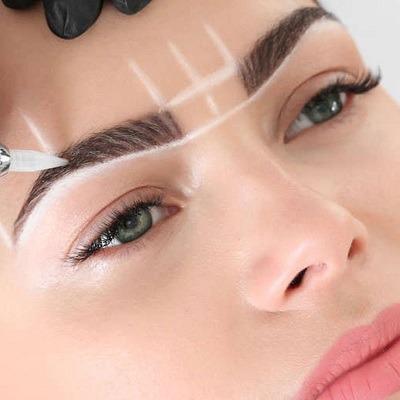

Microblading can help improve the appearance of uneven eyebrows by creating customized hair-like strokes that can visually balance differences in shape, density, and arch position. People searching for المايكروبليدينغ في دبي often want to know whether microblading can make asymmetrical eyebrows look more balanced and natural. The treatment can create the appearance of greater symmetry, but it cannot permanently change the underlying facial structure or make naturally different eyebrows perfectly identical.
How Can Microblading Correct Uneven Eyebrows?
Microblading uses a handheld tool to place pigment into the skin in fine, hair-like strokes. Careful brow mapping before the procedure helps determine where additional strokes may be needed to create a more balanced appearance.
Improving Brow Shape
The brow outline can be designed to create a more consistent appearance between both sides.
Balancing Uneven Arches
If one eyebrow appears higher or more curved than the other, customized strokes may help create greater visual balance.
Filling Sparse Areas
Adding simulated hair strokes to areas with less natural hair can make the eyebrows appear more evenly distributed.
Defining the Brow Tail
Uneven or thinner tails can be visually balanced by extending or enhancing the appropriate areas.
Can Microblading Make Both Eyebrows Look Symmetrical?
Microblading can improve visible symmetry, but complete symmetry is not always realistic.
Natural Facial Differences
Most people's eyebrows are naturally different to some degree.
Customized Mapping
The practitioner can map both eyebrows before treatment to establish a balanced design.
Strategic Hair Strokes
Individual strokes can be positioned to visually compensate for differences in density or shape.
Realistic Expectations
The goal is usually improved balance rather than making both eyebrows mathematically identical.
Can Microblading Fix One Eyebrow That Is Higher Than the Other?
Microblading may help reduce the visual difference between uneven eyebrow heights.
Adjusting the Shape
The brow design can be planned to create a more balanced appearance.
Creating Visual Alignment
Additional strokes can sometimes make one eyebrow appear closer in shape to the other.
Considering Facial Movement
Muscle movement can influence eyebrow position, so permanent makeup cannot completely control naturally moving brows.
Professional Assessment
A detailed brow assessment is important before deciding how much adjustment is appropriate.
Can Microblading Help Uneven Eyebrow Thickness?
Yes, microblading can create the appearance of more consistent eyebrow density.
Filling Thin Sections
Sparse areas can receive additional hair-like strokes.
Matching Density
The practitioner can design strokes to complement the existing natural brow hairs.
Improving Fullness
Adding pigment strategically may make thinner areas appear fuller.
Maintaining a Natural Appearance
The objective should be to blend the simulated strokes with the person's existing eyebrows.
Can Microblading Correct Uneven Eyebrow Tails?
Uneven tails are a common concern that microblading may help address.
Extending a Shorter Tail
A shorter-looking eyebrow tail can sometimes be visually extended with carefully placed strokes.
Balancing Tail Thickness
If one tail is noticeably thinner, additional strokes may help create a more balanced appearance.
Refining the Shape
The overall tail angle and design can be considered during brow mapping.
Avoiding Overextension
The design should remain proportional to the person's face rather than simply making both brows longer.
How Important Is Brow Mapping Before Microblading?
Brow mapping is an important part of achieving balanced results.
Measuring Facial Proportions
The practitioner evaluates the natural position and proportions of the eyebrows.
Marking the Desired Shape
The planned brow shape can be outlined before pigment is applied.
Comparing Both Sides
The two eyebrows can be assessed together to identify differences.
Approving the Design
The client should have an opportunity to review the planned shape before the procedure begins.
Careful mapping is particularly important because uneven placement of microblading strokes can itself contribute to asymmetry.
Can Microblading Make Thin and Uneven Brows Look Fuller?
Microblading can create the visual impression of fuller eyebrows.
Adding Hair-Like Strokes
Fine strokes can simulate additional eyebrow hairs.
Filling Gaps
Visible gaps can be filled to create a more continuous appearance.
Improving Definition
A more defined brow outline may make the eyebrows appear fuller.
Working With Existing Hair
The most natural-looking approach generally incorporates the person's existing eyebrow pattern rather than completely replacing it.
Can Microblading Correct Uneven Eyebrows After Overplucking?
Microblading may be considered when repeated plucking has resulted in sparse or uneven eyebrows.
Filling Overplucked Areas
Areas with reduced hair growth can be visually enhanced with pigment strokes.
Recreating Lost Definition
The brow shape can be redesigned to provide a more defined appearance.
Supporting Facial Balance
A customized design may help the eyebrows look more proportionate.
Considering Natural Regrowth
If natural eyebrow hair is still growing back, the final design should take future growth into account.
Is Microblading Suitable for Naturally Asymmetrical Eyebrows?
Naturally asymmetrical eyebrows can still be treated.
Assessing Existing Differences
The practitioner should identify whether the asymmetry comes from brow hair, skin position, facial structure, or muscle movement.
Creating Visual Balance
Microblading can focus on differences that can be addressed through brow shape and pigment placement.
Understanding Limitations
Structural facial asymmetry cannot be completely corrected with eyebrow pigmentation.
Personalized Design
The brow design should complement the individual's natural facial proportions.
Can Microblading Correct Uneven Eyebrows After Previous Treatment?
Previous permanent makeup or microblading can affect whether a new treatment is appropriate.
Existing Pigment
Old pigment may influence the new brow color and design.
Uneven Fading
One eyebrow may fade differently from the other, creating visible asymmetry.
Color Changes
Older pigment can sometimes change in appearance over time.
Professional Assessment
A practitioner should evaluate existing pigment before adding new strokes.
If previous work is significantly uneven or the pigment has changed substantially, correction or removal may need to be considered before a new microblading procedure.
Can Microblading Make Eyebrows Look Natural?
When appropriately planned, microblading can create a natural-looking appearance by using fine strokes that resemble eyebrow hairs.
Matching Hair Direction
Stroke direction can be designed to follow the natural growth pattern.
Choosing an Appropriate Color
Pigment selection should complement the person's natural hair and skin characteristics.
Avoiding Excessive Density
Overly dense strokes may create an unnatural appearance.
Preserving Facial Proportion
The brow shape should suit the person's facial features rather than follow a one-size-fits-all template.
What Happens If Eyebrows Remain Uneven After Healing?
The initial appearance may change as the skin heals and pigment settles.
Healing Changes
Pigment may appear darker immediately after treatment and gradually soften during healing.
Uneven Fading
One side may sometimes retain pigment differently from the other.
Touch-Up Assessment
A follow-up appointment can help determine whether additional work is appropriate.
Avoiding Immediate Corrections
The final appearance should be assessed after the appropriate healing period rather than making changes too early.
Is Microblading Safe for Correcting Uneven Eyebrows?
Microblading involves placing pigment into the skin, so it is not completely risk-free.
Infection Risk
Unsterile equipment or contaminated pigment can increase the risk of infection.
Allergic Reactions
Some individuals may experience reactions to pigments or other products used during the procedure.
Skin Irritation
Temporary redness, swelling, or sensitivity may occur.
Scarring
Skin trauma can potentially contribute to scarring, particularly in susceptible individuals.
The FDA notes that permanent makeup and tattooing can involve risks such as infections, allergic reactions, granulomas, keloid formation, and pigment-related complications.
Who May Need Extra Assessment Before Microblading?
Not everyone is an ideal candidate for eyebrow microblading.
Active Skin Infection
An infection around the eyebrow area should be addressed before treatment.
Active Skin Conditions
Certain inflammatory skin conditions may require additional assessment.
History of Keloids
People who develop keloid scars may need careful consideration before procedures that injure the skin.
Previous Permanent Makeup
Existing pigment can affect the feasibility and appearance of new treatment.
A professional assessment can help determine whether microblading is appropriate and whether correction or another approach would be more suitable.
Checkpoint: Can Microblading Correct Uneven Eyebrows?
Microblading may help improve the appearance of uneven eyebrows by:
-
Balancing eyebrow shape
-
Filling sparse areas
-
Creating fuller-looking brows
-
Improving uneven arches
-
Enhancing thin eyebrow tails
-
Filling gaps caused by overplucking
-
Creating greater visual symmetry
-
Refining overall brow definition
However, microblading cannot completely eliminate natural facial asymmetry or change the underlying position of the eyebrows.
How Can You Get More Balanced Microblading Results?
Achieving balanced results depends on more than simply adding pigment.
Choose an Experienced Practitioner
Experience with brow design and facial proportions can be important.
Discuss Your Desired Shape
Explain what looks uneven and what you would like to improve.
Review the Brow Design
The planned shape should be assessed before pigment is applied.
Follow Aftercare Instructions
Proper aftercare can support the healing process and help protect the treated area.
Attend a Follow-Up
A follow-up can determine whether a touch-up is needed after the brows have healed.
Personalized Microblading for Uneven Eyebrows
Every person's eyebrows have different growth patterns, thickness, arches, and proportions. A personalized approach can identify the specific areas that create the appearance of asymmetry and determine where additional strokes may be useful.
Microblading can create visual balance, but it should not be presented as a way to make naturally asymmetrical facial features perfectly identical. The most natural results usually come from working with the person's existing brow structure and making subtle adjustments rather than creating an entirely different brow shape.
Conclusion
Microblading can help correct the appearance of uneven eyebrows by adding customized hair-like strokes to sparse areas, balancing eyebrow density, refining arches, and improving the shape of uneven tails. Careful brow mapping before treatment can help create a more balanced design that complements the person's facial proportions. The treatment is particularly useful for people whose uneven brows are related to sparse hair, overplucking, gaps, uneven density, or differences in brow shape. However, microblading cannot completely correct structural facial asymmetry or permanently change the natural movement of the eyebrows.
