

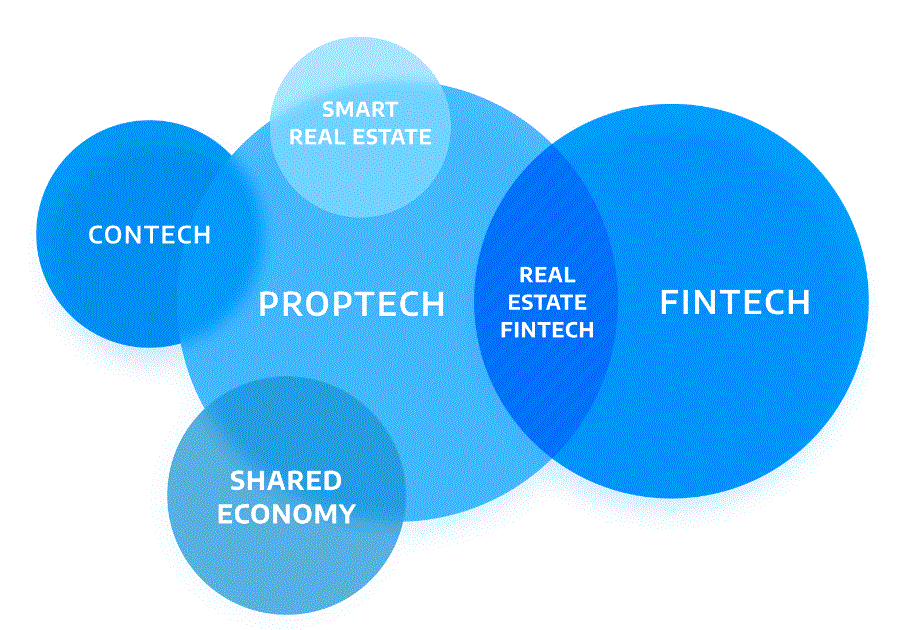

The UK Proptech market is a hotbed of innovation, with new technologies and business models constantly emerging to challenge the status quo of the real estate industry. To understand where the market is heading, it is crucial to follow the key Uk Proptech Market Trends that are shaping investment and development. Perhaps the most significant and overarching trend is the deepening focus on Environmental, Social, and Governance (ESG) criteria, leading to the rise of "Green Proptech." Driven by new government regulations, investor pressure, and growing tenant demand, sustainability is no longer a niche concern but a central pillar of real estate strategy. This has created a massive demand for technology that can help property owners measure, manage, and improve the environmental performance of their buildings. This trend is fueling innovation in a wide range of areas, from IoT sensors that optimize energy consumption to software platforms that track and report on carbon emissions and help properties achieve green building certifications.
The Data-Driven Revolution: AI and Predictive Analytics
The UK property market has always generated a vast amount of data, but much of it has been fragmented and underutilized. A major trend is the application of Artificial Intelligence (AI) and big data analytics to unlock the value hidden within this information. Proptech companies are now using sophisticated machine learning models to provide more accurate and instantaneous property valuations (Automated Valuation Models or AVMs), replacing the slow and often subjective process of manual appraisals. AI is being used to analyze market trends and identify high-potential investment opportunities. In building management, predictive maintenance algorithms are being used to analyze data from IoT sensors to predict when a piece of equipment, like an HVAC unit, is likely to fail, allowing for proactive repairs that prevent costly downtime. This trend is moving the industry from a reliance on historical data and gut instinct to a more scientific, data-driven, and forward-looking approach to decision-making.
The Rise of 'Flexible Living' and 'Space-as-a-Service'
The traditional model of long-term, fixed leases is being disrupted by a powerful trend towards flexibility and on-demand access to space. In the commercial sector, this is known as "Space-as-a-Service," a model pioneered by co-working spaces that is now being adopted by traditional landlords who are offering shorter leases, flexible layouts, and a suite of bundled services. A similar trend is happening in the residential sector with the rise of "co-living" and more flexible rental models. This shift is impossible to manage at scale without a sophisticated technology layer. This trend is driving demand for a new class of Proptech platforms that can handle flexible booking, membership management, automated billing, and seamless access control. These platforms are the essential operating system for the flexible real estate economy, enabling property owners to cater to the changing demands of modern tenants and occupiers.
Digitizing the Transaction: The Push for an End-to-End Home-Buying Experience
The process of buying a home in the UK is notoriously slow, stressful, and fragmented, involving multiple disconnected parties like estate agents, solicitors, mortgage lenders, and surveyors. A major and long-awaited trend is the push to digitize and connect this entire end-to-end process. A new wave of Proptech and Fintech startups are tackling different parts of this puzzle. This includes digital mortgage platforms that can provide approvals in minutes, online conveyancing services that streamline the legal paperwork, and platforms that aim to create a single "digital identity" for a property that can be shared securely between all parties. While a truly seamless, one-click home-buying experience is still some way off, the trend is clear: the industry is moving towards greater integration and transparency. The companies that can successfully stitch together these different components will be the ones to finally solve one of the biggest and most persistent consumer pain points in the UK.
➤ In-Depth Market Studies by Market Research Future:
