

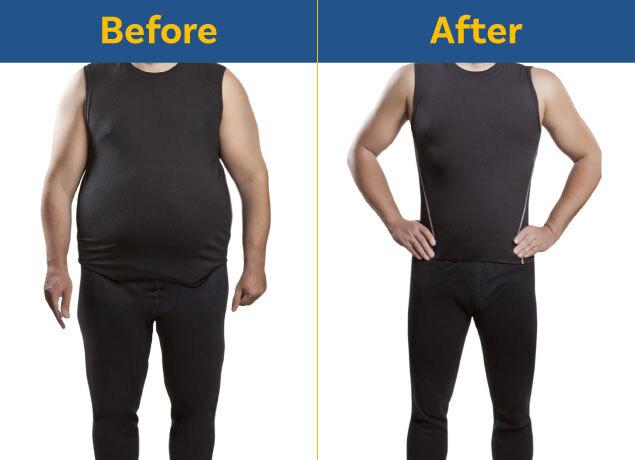

Bariatric surgery can be an effective treatment for people experiencing severe obesity, particularly when excess weight begins to affect physical health, mobility, or quality of life. However, surgery is not suitable for everyone who wants to lose weight. A careful medical evaluation is needed to determine whether a person is likely to benefit from the procedure.
Understanding the basic requirements can help individuals decide when it may be appropriate to discuss bariatic surgery with a qualified healthcare professional.
What Is Bariatric Surgery?
Bariatric surgery includes several surgical procedures designed to support significant weight loss. Depending on the operation, the stomach may be reduced in size, or the digestive system may be modified to influence food intake and nutrient absorption.
Common procedures include gastric sleeve surgery, gastric bypass, adjustable gastric banding, and biliopancreatic diversion with duodenal switch. Each option has different benefits, risks, and nutritional considerations.
The purpose of bariatic surgery is not simply to produce a lower number on the weighing scale. It can also help reduce the health risks associated with severe obesity.
People With Significant Obesity
One of the main factors doctors consider is the degree of obesity. Body mass index, commonly called BMI, may be used as part of the assessment. However, BMI is only one measure and does not provide a complete picture of someone's health.
Individuals with severe obesity may be considered for surgery when lifestyle changes alone have not resulted in sufficient or lasting weight loss. Doctors also consider whether excess weight is contributing to other medical problems.
Because eligibility guidelines can differ, a person should receive an individualized assessment rather than deciding based on BMI alone.
People With Obesity-Related Health Conditions
A person may be a stronger candidate when obesity is contributing to serious or difficult-to-manage health conditions. These can include type 2 diabetes, high blood pressure, obstructive sleep apnea, cardiovascular risk factors, and weight-related joint problems.
In appropriate patients, substantial weight loss can potentially improve some of these conditions. For this reason, healthcare professionals look at overall health rather than focusing only on body weight.
Those Who Have Tried Other Weight-Loss Methods
Bariatric surgery is generally considered after other approaches have been attempted. These may include structured nutrition programs, physical activity, behavioral changes, and medically supervised weight-management treatments.
If a person has repeatedly lost weight and regained it despite making consistent efforts, a specialist may discuss surgical options.
This does not mean that previous weight-loss attempts must have been unsuccessful in every situation. Instead, doctors evaluate the individual's history to understand which strategies have been tried and how sustainable their results were.
People Prepared for Long-Term Lifestyle Changes
A willingness to make lasting lifestyle changes is an important part of being a good surgical candidate. Bariatric surgery can reduce stomach capacity or alter digestion, but it cannot replace healthy habits.
After surgery, patients generally need to eat smaller portions, choose nutrient-dense foods, stay physically active, and follow their medical team's recommendations.
Patients may also need vitamin and mineral supplements and regular nutritional testing. Someone who understands these responsibilities is more prepared for the long-term demands of treatment.
People Who Understand the Surgical Risks
Every surgical procedure has potential complications. Depending on the operation, risks may include bleeding, infection, blood clots, digestive problems, nutritional deficiencies, or complications associated with anesthesia.
A suitable candidate should be willing to discuss these risks openly with a surgeon and understand that results can vary.
Medical teams usually explain both short-term recovery and long-term considerations before surgery. Having realistic expectations is an important part of making an informed decision.
Psychological and Emotional Readiness
Emotional readiness can also be considered during the evaluation process. Eating behaviors, stress, emotional health, and expectations about weight loss may influence long-term outcomes.
Some patients may benefit from counseling or behavioral support before and after surgery. This does not mean that emotional difficulties automatically prevent someone from having surgery. Instead, identifying challenges early allows the healthcare team to provide appropriate support.
Being prepared for changes in eating habits, body image, relationships with food, and daily routines can make the transition easier.
Medical Evaluation Before Surgery
Before approving bariatic surgery, healthcare professionals typically conduct a comprehensive evaluation. This may include a physical examination, blood tests, nutritional assessment, medication review, and evaluation of existing medical conditions.
Depending on the patient's circumstances, additional specialists may become involved. A dietitian can provide nutritional guidance, while other healthcare professionals may assess conditions that could affect surgical safety.
The purpose of this process is to identify potential risks and determine which procedure, if any, is most appropriate.
Who May Not Be Ready for Surgery?
Some individuals may need to delay surgery until certain issues are addressed. For example, uncontrolled medical conditions, inability to follow postoperative recommendations, or unrealistic expectations may require additional preparation.
This does not necessarily mean surgery will never be an option. A healthcare team may recommend further medical treatment, nutritional counseling, behavioral support, or lifestyle changes before reconsidering the procedure.
Why Individual Assessment Matters
There is no single checklist that can determine whether everyone is suitable for bariatric surgery. Two people with similar body weights may have very different medical histories, nutritional needs, and risk factors.
A specialist considers the complete picture, including weight history, health conditions, previous treatments, lifestyle, and readiness for long-term changes.
This personalized approach helps patients choose the safest and most appropriate treatment strategy.
Conclusion
A good candidate for bariatic surgery is generally someone with significant obesity who may benefit medically from substantial weight loss and who is prepared to make permanent lifestyle changes. Health conditions, previous weight-management efforts, psychological readiness, and overall medical fitness all play important roles.
If you are considering bariatric surgery, speak with a qualified bariatric specialist for a personalized evaluation. The right decision should be based on your individual health needs, potential benefits, and understanding of the lifelong commitment involved.
| For more information visit Enfield royal clinic in islamabad |
