

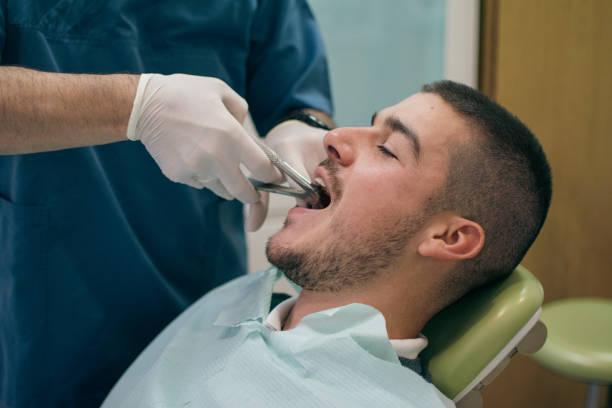

Tooth Extraction in Dubai may be considered when a tooth has extensive damage, severe decay, infection, or another condition that makes preservation difficult. Dentists generally try to save natural teeth whenever possible, but certain warning signs may indicate that removal needs to be considered.
Experiencing one of these symptoms does not automatically mean extraction is necessary. Some dental problems can be treated with fillings, crowns, root canal therapy, or other procedures. A professional examination is needed to determine the actual cause and the most suitable treatment.
Persistent or Severe Tooth Pain
Ongoing tooth pain is one of the most common reasons people seek dental care. Pain may result from deep decay, an infection, a crack, damaged pulp, or other dental conditions.
If discomfort continues despite basic care or becomes more intense over time, the tooth should be professionally examined. In some cases, the tooth can be preserved with restorative treatment. However, if the damage is too extensive, extraction may be recommended.
Pain that interferes with sleeping, eating, or normal daily activities should not be ignored.
Severe Tooth Decay
Tooth decay develops gradually when bacteria and plaque damage the protective layers of a tooth. Early decay may often be treated with a filling, but advanced decay can destroy a significant portion of the tooth.
When there is insufficient healthy structure remaining to support a restoration, removing the tooth may become necessary. Your dentist may first determine whether procedures such as root canal treatment and a crown could preserve the tooth.
Regular dental examinations can help identify cavities before they progress to a stage where extraction becomes necessary.
Dental Clinic: Professional Evaluation Matters
Visiting a professional Dental Clinic is important when symptoms suggest that a tooth may be seriously damaged. During the examination, the dentist will assess the tooth, gums, and surrounding structures.
Dental X-rays may be used to examine the roots and supporting bone. These images can help identify infection, bone loss, impacted teeth, or other problems that cannot be seen during a visual examination.
The dentist will then explain whether the tooth can potentially be restored or whether removal may offer a more predictable solution.
Swelling Around the Tooth
Swelling around a tooth or gum can sometimes indicate infection. A dental abscess may develop when bacteria spread into the tissues surrounding an infected tooth.
Other symptoms may include tenderness, a bad taste in the mouth, sensitivity, or discomfort when chewing. Facial swelling or significant swelling around the gums requires prompt professional assessment.
Treatment depends on the cause and condition of the tooth. Root canal therapy may sometimes resolve an infection while preserving the tooth, but extraction can be considered when the tooth is severely compromised.
A Cracked or Broken Tooth
A tooth that has been badly cracked or broken may not be able to withstand normal chewing forces. Small cracks can sometimes be restored, while extensive fractures may make preservation difficult.
A deep crack can also allow bacteria to enter the inner tooth and contribute to infection. Sharp pain when biting or releasing pressure can sometimes be associated with a cracked tooth.
A dentist can determine the severity of the damage and recommend the appropriate treatment.
Loose Teeth
Teeth that become unusually loose may be affected by advanced gum disease or significant damage to their supporting tissues. Healthy teeth are normally held firmly in place by the gums, periodontal ligament, and surrounding bone.
If periodontal disease has caused substantial bone loss, a tooth may eventually become too unstable to preserve. In such cases, extraction may be discussed alongside treatment for the underlying gum condition.
Protecting the remaining teeth becomes especially important when tooth loss is associated with gum disease.
Problems With Impacted Wisdom Teeth
Wisdom teeth can sometimes remain trapped beneath the gum or partially erupt because there is insufficient space. These impacted teeth may contribute to repeated pain, swelling, infection, or gum irritation.
Food and bacteria can become trapped around a partially erupted wisdom tooth, making the area difficult to keep clean. In some situations, removing the wisdom tooth can prevent recurring problems.
Dental imaging helps the dentist understand the tooth's position and relationship with surrounding structures.
Difficulty Chewing
Pain or discomfort while chewing may indicate that a tooth is damaged, infected, cracked, or otherwise unhealthy. Some patients may unconsciously avoid using one side of the mouth because chewing on the affected side is uncomfortable.
This change in eating habits can be a useful warning sign that professional evaluation is needed. The cause may be treatable without extraction, so an examination is important before making any decision.
When Is Removal the Best Option?
Extraction is generally considered when the tooth cannot be predictably restored or when keeping it could negatively affect surrounding oral structures. The decision should be based on a detailed assessment rather than symptoms alone.
Your dentist may discuss possible alternatives and explain the advantages and limitations of each approach. If removal is recommended, the procedure can be planned according to the tooth's condition and position.
Maintaining Oral Health After Extraction
After a tooth is removed, following professional aftercare instructions can support proper healing. Maintaining good oral hygiene and attending regular dental examinations can also help protect the remaining teeth.
Depending on the location of the missing tooth, replacement options such as dental implants, bridges, or partial dentures may be discussed.
Recognizing the warning signs of dental problems can encourage timely treatment and help prevent unnecessary complications. When a tooth is severely damaged or cannot be successfully restored, Tooth Extraction may help protect the surrounding teeth and support overall oral health.

