

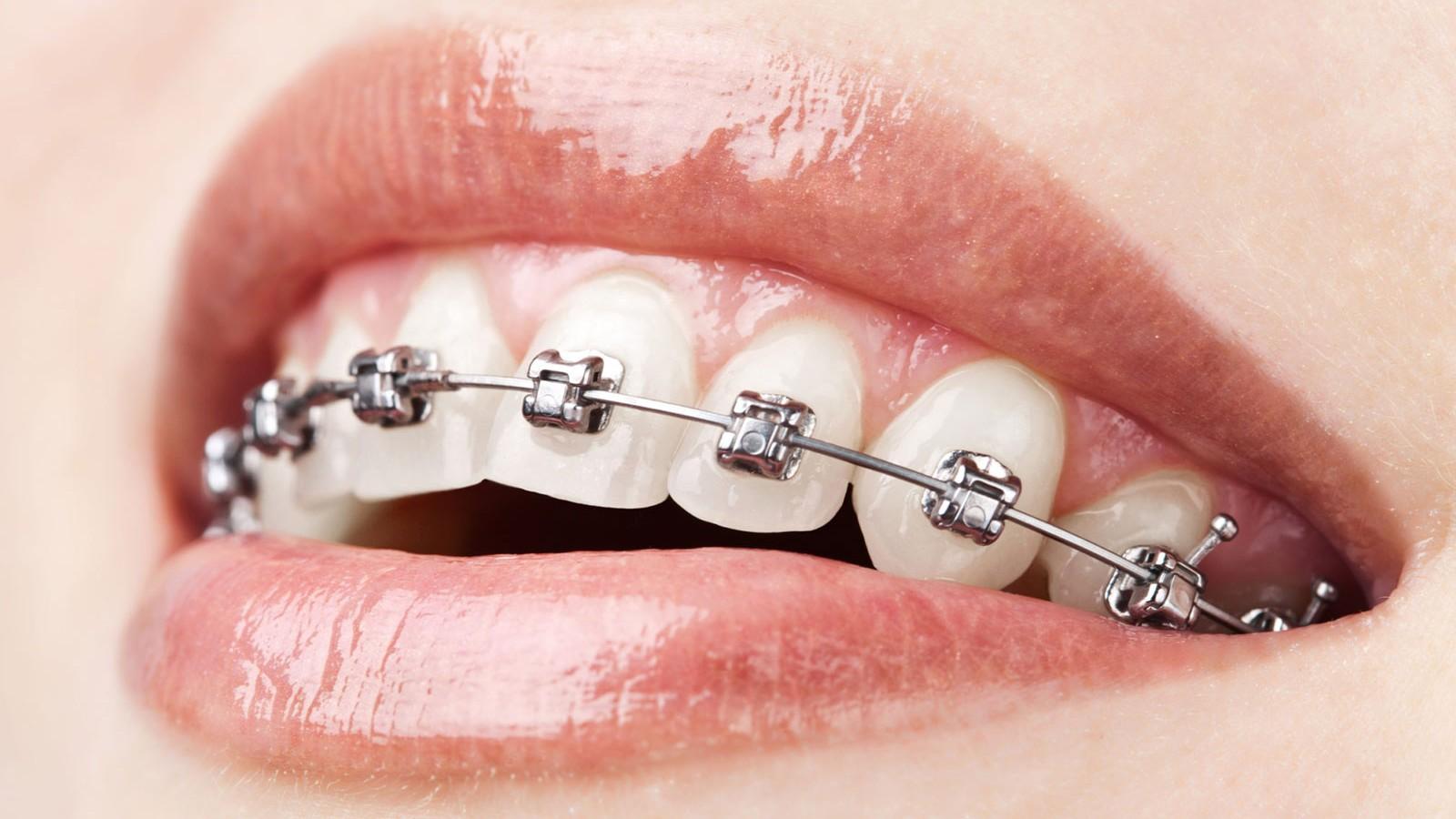

Many adults consider improving their smile because of crooked teeth, crowding, gaps, or bite concerns that may have existed since childhood. Dental Braces can gradually move teeth into better positions and provide both cosmetic and functional benefits. Modern orthodontic care offers several treatment approaches, making teeth straightening an option for many adults.
Choosing an experienced dental provider is an important part of the process. Enfield Dental Clinic Dubai can help adults understand their orthodontic concerns through a professional assessment and discuss suitable options based on their teeth, gums, bite, and treatment goals.
Why Do Adults Choose Dental Braces?
Adults choose orthodontic treatment for many different reasons. Some want a straighter smile, while others may be concerned about crowded teeth, spacing, or an uneven bite.
Crooked and crowded teeth can sometimes make daily brushing and flossing more difficult. Certain areas may be harder to reach, allowing plaque and food particles to accumulate. Improving alignment can make some aspects of oral hygiene easier.
Braces may also help address certain bite problems. When the upper and lower teeth do not meet properly, orthodontic treatment may help create a more balanced relationship between them.
For many adults, confidence is another important factor. A smile they feel comfortable showing can make social and professional interactions feel more natural.
Are Dental Braces Suitable for Adults?
Age alone does not prevent someone from receiving orthodontic treatment. Adults can often undergo teeth straightening when their teeth, gums, and supporting structures are healthy enough for treatment.
Before braces are recommended, a dentist or orthodontist examines the patient's oral health. Existing cavities, gum disease, or other concerns may need to be treated first.
The orthodontist also evaluates the bite and position of the teeth. This information helps determine whether conventional braces, ceramic braces, clear aligners, or another option may be appropriate.
How Do Dental Braces Work?
Dental Braces work by applying controlled forces to gradually move teeth. With traditional fixed braces, brackets are attached to the teeth and connected with an orthodontic wire.
The wire applies pressure that encourages the teeth to move toward positions planned by the orthodontist. This process occurs gradually because the surrounding tissues need time to adapt.
Patients usually attend regular appointments throughout treatment. During these visits, the orthodontist monitors tooth movement and makes adjustments when necessary.
The overall duration depends on the complexity of the case and the amount of movement required.
Types of Braces Available for Adults
Adults have several orthodontic options to consider. Traditional metal braces remain a reliable treatment for many types of alignment problems.
Ceramic braces use tooth-colored or clear brackets. They are designed to provide a less noticeable appearance while using a similar basic orthodontic mechanism.
Lingual braces are attached to the back surfaces of the teeth. Since they are positioned behind the teeth, they are less visible when a person smiles. However, they require specialized treatment planning and may not be appropriate for every case.
Clear aligners are removable transparent trays used to gradually reposition teeth. They can be convenient for certain adults because they can be removed when eating and cleaning the teeth.
The appropriate option depends on the patient's orthodontic condition, lifestyle, treatment goals, and professional assessment.
What Happens Before Getting Braces?
The first stage is a detailed dental examination. The dentist or orthodontist checks the teeth, gums, bite, jaw relationship, and supporting structures.
X-rays, photographs, digital scans, or impressions may be taken to assist with treatment planning. These records allow the dental professional to understand the current position of the teeth and develop a personalized approach.
If the patient has untreated dental problems, those issues may need to be addressed before orthodontic treatment begins.
A detailed consultation also gives patients an opportunity to discuss concerns about appearance, treatment time, comfort, and available orthodontic options.
What Should Adults Expect After Braces Are Placed?
Adults may experience some pressure or mild soreness after braces are initially fitted or adjusted. This happens because the teeth are responding to the controlled forces used during orthodontic treatment.
The cheeks, lips, and tongue may also require some time to become accustomed to brackets and wires.
Most patients gradually adapt to the appliances. Eating and speaking can feel slightly different at first, but these activities generally become more comfortable as the mouth adjusts.
If a bracket becomes loose or a wire breaks, the orthodontic office should be contacted for appropriate advice.
Maintaining Oral Hygiene With Braces
Oral hygiene is particularly important during orthodontic treatment. Brackets and wires can create additional spaces where food particles and plaque can collect.
Adults should brush carefully around each bracket and along the gumline. Flossing is also important for cleaning between the teeth.
An interdental brush or other orthodontic cleaning device may help reach areas that are difficult to clean with a regular toothbrush.
Regular dental checkups should continue while wearing braces. Orthodontic appointments focus on tooth movement, while routine dental visits help monitor the overall health of the teeth and gums.
Foods Adults Should Avoid
People wearing fixed braces may need to change some eating habits. Hard, sticky, and very chewy foods can damage brackets or wires.
Hard candies, chewing gum, ice, and particularly hard snacks can increase the risk of appliance damage.
Foods that are difficult to bite may be cut into smaller pieces before eating. This can make meals easier and reduce unnecessary pressure on the braces.
Following the orthodontist's specific food recommendations can help prevent avoidable problems during treatment.
How Long Do Adult Braces Take?
There is no fixed treatment period for every adult. The duration depends on the severity of crowding, spacing, bite problems, tooth movement required, treatment method, and individual response.
A relatively simple alignment problem may require less treatment time than a complex case involving significant tooth movement or bite correction.
Patient cooperation can also influence progress. Regular appointments, proper cleaning, and following professional instructions can help keep treatment on schedule.
Adults should avoid comparing their treatment timeline with friends or family members because every orthodontic case is different.
Can Adults Improve Their Smile With Braces?
Yes, orthodontic treatment can improve tooth alignment in many adults. However, the expected results depend on the patient's starting condition and treatment plan.
Straightening teeth can improve the visual balance of the smile. It may also make certain areas easier to clean and can help address selected bite concerns.
The goal should be based on realistic expectations established during a professional consultation.
Managing Life With Braces
Adults often have busy professional and social schedules, so adjusting to orthodontic treatment can require some planning.
Keeping a toothbrush or orthodontic cleaning tools available can make maintaining oral hygiene easier during the day. Patients should also follow dietary recommendations when eating outside the home.
Regular appointments should be scheduled according to the orthodontist's recommendations. Staying consistent with appointments helps the professional monitor treatment progress.
Patients should also communicate any concerns about discomfort or damaged appliances instead of ignoring them.
What Happens After Braces Are Removed?
The end of active treatment does not mean that orthodontic care is completely finished. Teeth can naturally move after braces are removed.
Retainers are commonly used to help maintain the new tooth positions. The type of retainer and recommended wearing schedule depend on the individual's treatment plan.
Following retainer instructions is important for protecting the results achieved through orthodontic treatment.
Adults should continue practicing good oral hygiene and attending routine dental checkups after completing their treatment.
Tips for Adults Considering Braces
Adults thinking about orthodontic treatment should begin with a professional examination. Understanding the condition of the teeth and bite can help determine which treatment options may be suitable.
It is also helpful to understand that orthodontic treatment requires patience. Teeth move gradually, and achieving the desired alignment takes time.
Maintaining good oral hygiene, avoiding foods that can damage braces, attending appointments, and following professional instructions can all contribute to a smoother treatment experience.
Final Thoughts
Dental Braces can help adults address crooked teeth, crowding, spacing, and certain bite concerns while working toward a straighter and more balanced smile. With traditional braces, ceramic options, lingual systems, and clear aligners available for suitable cases, adults can discuss different approaches with a qualified dental professional.
The best results require consistent care throughout treatment. Maintaining oral hygiene, attending regular appointments, protecting the orthodontic appliances, and following retainer instructions after treatment can help support long-term results and a confident smile.
