

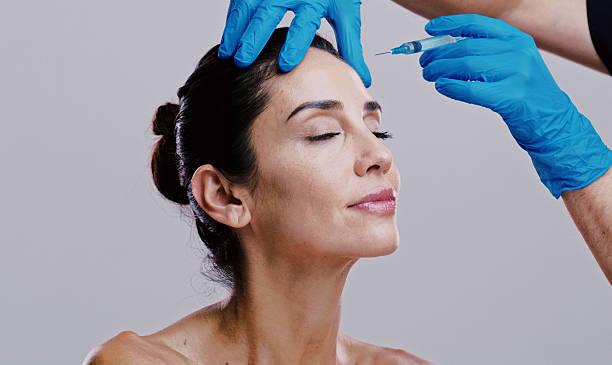

Considering injectables for the first time often raises a different set of questions from those asked by experienced patients. Liquid Facelift in Dubai can provide a non-surgical approach to selected signs of facial aging, but the safest starting point is a clinical assessment rather than choosing a specific injection technique or requesting a predetermined amount of filler.
For a first-time patient, the quality of the treatment plan matters as much as the injectable itself. Understanding candidacy, product selection, facial assessment, realistic outcomes, possible risks, and aftercare can make the decision considerably more informed.
Why First-Time Patients Need a Different Treatment Strategy
Someone who has never received facial injectables does not have an established treatment history to guide the clinician.
There may be no previous information about how the patient's tissues respond to filler, how long swelling lasts, or which amount produces a satisfactory aesthetic change.
That makes the first session an opportunity to establish a conservative baseline.
A suitable approach should prioritize:
- Accurate assessment
- Minimal necessary intervention
- Appropriate product selection
- Anatomical planning
- Clear expectations
- Safety and complication awareness
- Post-treatment review
The objective should be to understand what improves the face without unnecessarily changing it.
What Liquid Facelift in Dubai Means for a New Injectable Patient
A liquid facelift is not necessarily one standardized procedure.
Depending on the individual's assessment, a treatment plan may involve dermal fillers, neuromodulators, or other injectable approaches. The selected combination depends on the patient's anatomy, concerns, skin characteristics, and treatment objectives.
This means two people asking for a liquid facelift may receive very different treatment plans.
One person may need correction in a limited area, while another may benefit from addressing several related concerns.
The procedure should therefore be personalized rather than based on a fixed facial template.
The Consultation Should Come Before the Injection
For a first-time patient, the consultation is one of the most important stages of the entire process.
The clinician should establish what the patient wants to improve and then determine whether the concern can realistically be addressed with injectables.
The assessment may include:
- Facial structure
- Skin condition
- Soft-tissue characteristics
- Existing volume distribution
- Facial movement
- Previous cosmetic procedures
- Relevant medical history
- Current medications
- Allergies or sensitivities
- Treatment expectations
A useful consultation should also identify concerns that may not be appropriate for filler.
Liquid Facelift in Dubai Should Be Based on a Specific Objective
“Looking younger” is too broad to function as an injection plan.
A more useful objective could be:
- Improving a localized contour
- Restoring selected volume
- Softening a specific fold
- Refining a facial transition
- Improving a tired appearance
- Creating subtle structural support
The clinician can then determine whether the requested outcome is achievable.
This is particularly important for new patients because unfamiliarity with injectable treatment can make online before-and-after images seem more predictable than they actually are.
How First-Time Patients Can Prepare
Preparation does not require an elaborate routine, but providing accurate information to the clinician is important.
Before treatment, patients should be prepared to discuss:
- Previous cosmetic procedures
- Current medications and supplements
- Known allergies
- Previous reactions to injectable treatments
- Active skin conditions
- Relevant medical history
- Upcoming events
- Their desired degree of correction
Patients should also tell the clinician if they have recently undergone another facial procedure.
The treating practitioner can then provide individualized instructions about whether any medication, skincare product, or activity should be adjusted.
Understanding the Injectable Product
A first-time patient should know what is being injected and why.
Dermal fillers can differ in their composition and physical characteristics. Different products may be selected for different anatomical purposes.
Before treatment, patients can ask:
- What product is being used?
- What is its intended purpose?
- Why is it appropriate for my treatment area?
- How does it behave within the tissue?
- How long might the effect last?
- What temporary reactions are possible?
- What are the known risks?
Product selection should be connected to the treatment objective rather than simply to brand recognition.
Liquid Facelift in Dubai and Conservative First Treatment
The first treatment does not need to produce the maximum possible change.
In many cases, a conservative initial correction allows both the patient and clinician to evaluate the result before considering additional treatment.
This can be particularly useful for people who are uncertain about how much change they actually want.
A restrained approach can help preserve:
- Natural facial movement
- Existing facial character
- Proportion
- Soft-tissue mobility
- A gradual appearance of rejuvenation
The goal is not to make a first-time patient look as though they have undergone extensive cosmetic treatment.
What Happens During the Treatment
The exact sequence depends on the patient's plan, but the appointment may include several stages.
Facial Preparation
The treatment area is cleansed and prepared according to clinical protocols.
Marking and Planning
The clinician may identify treatment points based on the patient's anatomy and intended correction.
Anesthetic Measures
Depending on the product and technique, topical or local anesthetic measures may be used to improve comfort.
Injection
The selected injectable is placed using a technique and tissue plane appropriate for the anatomical target.
Immediate Assessment
The treated area is checked after injection, while recognizing that early swelling can temporarily affect the appearance.
The process should be controlled rather than rushed.
Why Injection Technique Matters
Facial injectables are medical procedures requiring detailed knowledge of anatomy.
The face contains important blood vessels, nerves, muscles, fat compartments, and connective structures. Injection depth, location, product characteristics, and technique can all influence the outcome.
For this reason, first-time patients should prioritize practitioner qualifications and relevant injection experience rather than choosing a provider solely on price.
A technically appropriate treatment is more important than simply receiving a larger quantity of product.
What Temporary Effects Should First-Time Patients Expect
Short-term reactions can include:
- Mild swelling
- Redness
- Tenderness
- Bruising
- Temporary sensitivity
- Localized firmness
The intensity and duration vary depending on the treated area, technique, product, and individual response.
Patients should follow their clinician's specific aftercare instructions and understand which symptoms are expected versus which require prompt medical attention.
Serious complications are uncommon but can occur with injectable procedures, making appropriate patient selection, anatomical knowledge, and rapid recognition of complications important.
Liquid Facelift in Dubai and Recovery Planning
Although injectable procedures generally involve less downtime than surgery, “non-surgical” does not mean “zero recovery.”
A first-time patient should allow for the possibility of temporary swelling or bruising.
Scheduling becomes particularly important if the patient has:
- A wedding
- Business meetings
- Professional photography
- A holiday
- A public appearance
- A major social event
Dubai's active lifestyle can also involve frequent travel, exercise, swimming, outdoor activities, and prolonged exposure to heat and sunlight.
Planning the appointment with sufficient time before important commitments is therefore sensible.
How to Judge the Result
A first-time patient should avoid evaluating the final result immediately after the appointment.
Early swelling can make an area appear fuller or slightly different from the eventual outcome.
The clinician may recommend a follow-up assessment at an appropriate interval depending on the treatment performed.
During review, the focus can shift from immediate appearance to:
- Symmetry
- Contour
- Facial movement
- Overall balance
- Patient satisfaction
- Whether additional treatment is actually necessary
Additional filler should not be considered simply because some temporary swelling has disappeared.
When More Treatment Is Not Better
One of the most important lessons for first-time patients is that additional product does not automatically produce a better result.
Overcorrection can affect facial proportions and may create a visibly treated appearance.
A good treatment plan should include a point at which the clinician is comfortable stopping.
This is especially important when the original concern is subtle.
When a Liquid Facelift May Not Be Appropriate
Injectables cannot address every form of facial aging.
Patients with substantial:
- Skin laxity
- Tissue descent
- Excess skin
- Pronounced jowling
- Advanced neck changes
- Structural concerns unsuitable for filler
may require a different approach.
Depending on the assessment, alternatives may include skin-focused procedures, energy-based treatments, or surgical consultation.
A responsible clinician should explain these limitations instead of positioning injectables as a solution for every facial concern.
Red Flags First-Time Injectable Patients Should Recognize
Patients can protect themselves by paying attention to how a clinic approaches the consultation.
Be cautious when a provider:
- Promises a guaranteed result
- Recommends a large amount of filler without examination
- Cannot clearly identify the product being used
- Avoids discussing potential complications
- Uses the same treatment plan for every patient
- Pressures the patient to undergo multiple procedures immediately
- Focuses entirely on discounts rather than clinical suitability
A good consultation should leave the patient better informed, not pressured into treatment.
Questions to Ask During a Liquid Facelift in Dubai Consultation
Before agreeing to treatment, a first-time patient can ask:
- What is the main anatomical reason for my concern?
- Do I actually need a liquid facelift?
- Which facial areas would you treat?
- Which areas would you leave untreated?
- What product will be used?
- Why is it suitable for my anatomy?
- How much product is expected?
- What are the possible side effects?
- What complications should I know about?
- How long should I allow for swelling or bruising?
- When should the result be reviewed?
- Would you recommend treating everything in one session or staging it?
These questions encourage a treatment decision based on clinical reasoning rather than marketing terminology.
Choosing a Provider for Liquid Facelift in Dubai
Dubai has a large aesthetic treatment market, so comparing providers requires more than comparing advertised prices.
Patients should consider:
- Practitioner qualifications
- Injectable experience
- Quality of consultation
- Product transparency
- Emergency and complication protocols
- Treatment environment
- Follow-up arrangements
- Whether the provider explains limitations honestly
Before-and-after photographs can be useful for understanding a practitioner's style, but they should not be interpreted as guarantees of an identical result.
Every face responds differently.
The Strategic Investment in Liquid Facelift in Dubai
For a first-time injectable patient, the strongest outcome begins with informed decision-making rather than aggressive treatment. A carefully assessed Liquid Facelift in Dubai should use the minimum appropriate intervention to address the patient's actual concern while preserving natural expression, facial identity, and proportion.
Patients researching broader cosmetic and aesthetic treatment options can explore Tajmeels Clinic as part of their evaluation of providers and treatment possibilities in Dubai.
