

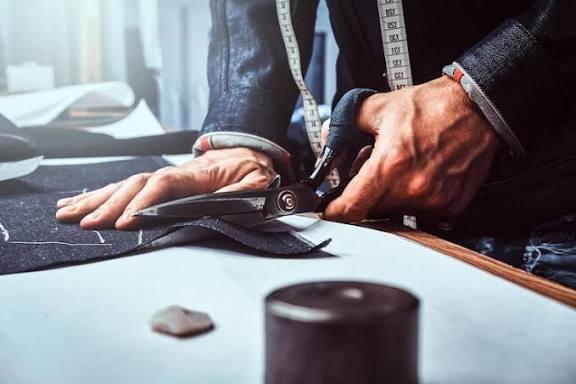

Bangkok offers many options for people who want clothing made according to their measurements. Tailoring shops provide suits, shirts, trousers, jackets, and formal outfits for different occasions. However, choosing a suitable tailor requires more than looking at photographs or advertised prices. Understanding the tailoring process can help customers ask better questions and select clothing that fits their lifestyle.
People searching for a tailor in Bangkok should first consider what they want to have made. A business suit may require a different fabric and construction from a wedding outfit or casual jacket. Likewise, someone living in Thailand may have different requirements from a visitor who needs a suit for a special event.
Start With Your Clothing Requirements
Before visiting a tailor, think about when and where the garment will be worn. Business clothing usually needs a versatile colour and comfortable construction for regular use. Wedding suits may allow more freedom with colour, fabric, and design.
For casual clothing, customers can consider lighter fabrics and less structured designs. Meanwhile, formal suits may benefit from a more structured jacket and refined finishing.
It is also helpful to decide on the preferred fit. Classic, tailored, and slim fits create different silhouettes. Explaining your preference early can help the tailor understand the desired result.
Consider Bangkok's Climate
Bangkok's tropical weather should be an important part of the fabric decision. Hot temperatures and humidity can make heavy garments uncomfortable, especially when travelling outdoors.
Lightweight wool is often considered for formal suits because it can provide a polished appearance while remaining relatively breathable. Linen and cotton can work well for casual garments, although linen is known for developing wrinkles more easily.
Fabric blends may provide another practical option. They can offer different combinations of durability, comfort, wrinkle resistance, and price. Therefore, the most expensive fabric is not necessarily the most suitable one.
Understanding Measurements
Custom clothing starts with measurements. A tailor may measure the shoulders, chest, waist, hips, sleeve length, jacket length, trouser waist, and inseam. These measurements help create a garment that is closer to the customer's individual proportions.
However, body shape and posture can also affect the final fit. For example, differences in shoulder height or posture may require additional adjustments.
Customers should avoid relying only on measurements from an old garment. A new fitting allows the tailor to consider the current body shape and the specific design being created.
Why Fittings Should Not Be Skipped
Fittings are an important part of custom tailoring. The first fitting allows the tailor to check how the garment sits before final finishing.
For a suit, attention may be given to the shoulders, chest, sleeve length, jacket balance, waist, and trousers. If something feels too tight or loose, the customer should mention it during the fitting.
Movement is another useful test. Sit down, walk around, and move your arms naturally. These simple movements can reveal problems that may not be visible while standing.
Depending on the garment, additional fittings may be necessary. Customers visiting Bangkok for a short trip should keep this in mind when planning their schedule.
Check the Construction Method
The outside appearance of a suit does not reveal everything about its construction. Different internal methods can affect the jacket's structure, flexibility, durability, and price.
Fused construction generally uses adhesive materials to join the outer fabric with the internal structure. Half-canvas construction adds a canvas layer to part of the jacket, while full-canvas construction uses canvas through a larger area.
There is no single construction method that is ideal for every customer. The choice should depend on budget, frequency of use, desired structure, and personal preference.
How to Compare Tailoring Prices
Prices vary between Bangkok tailoring shops because garments are not all made with the same materials or construction. Fabric, labour, garment type, design details, and number of fittings can all influence the final quotation.
A two-piece suit will generally cost less than a three-piece suit because the three-piece includes a waistcoat. Additional trousers, premium buttons, special linings, or more complex designs can also increase the cost.
When comparing prices, ask what the quoted amount includes. Confirm whether fabric, fittings, alterations, lining, buttons, and final adjustments are covered.
Plan Your Order Carefully
Timing is particularly important for visitors. A custom garment should ideally be ordered early enough to allow for fittings and possible changes.
Before confirming an order, ask when the first fitting will take place and when the finished garment is expected. If travel plans are fixed, share the departure date with the tailor.
At collection, check the garment carefully. Look at the shoulders, sleeves, jacket length, trousers, and overall comfort. If adjustments are needed, it is easier to discuss them before leaving.
Making an Informed Choice
Choosing custom clothing in Bangkok becomes easier when customers understand what influences the final result. Fabric, measurements, construction, fittings, climate, and price should all be considered together.
Rather than selecting a tailoring service based only on a low price or attractive photographs, compare the complete process and what is included. A clear understanding of your requirements will also help the tailor create clothing that is comfortable, practical, and suitable for the occasions where it will be worn.
For More Information - https://www.tomsfashion.com/
