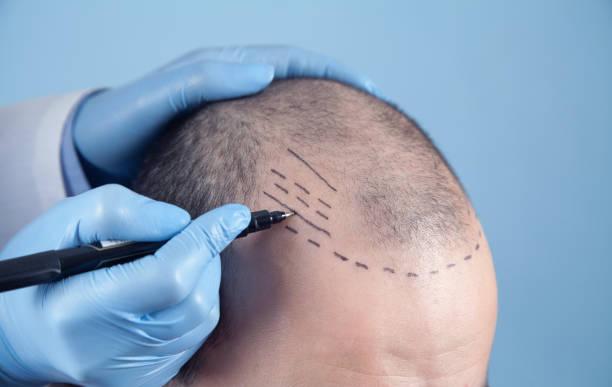
A receding hairline is one of the most common and visible signs of hair loss, affecting both men and women. For many, it can be a source of self-consciousness and diminished confidence. Hair Transplant in Riyadh For individuals considering a Hair Transplant in Riyadh, restoring a receding hairline can be a life-changing decision that not only enhances appearance but also rebuilds self-esteem. This guide explores the strategies for restoring a receding hairline and achieving natural-looking results.
The Challenge of a Receding Hairline
Why the Hairline Is a Critical Area
The hairline is one of the most defining features of the face. It frames the face and plays a key role in overall appearance. A receding hairline can make a person look older and can affect self-image. Restoring the hairline requires precision and artistry to create a natural-looking result that complements the patient's facial features.
The Role of the Surgeon
A skilled surgeon will assess the pattern of hair loss, the quality of the donor hair, and the patient's facial features to design a hairline that is natural and age-appropriate.
Techniques for Hairline Restoration
Hairline Design
Designing a natural-looking hairline is one of the most important steps in the procedure. Surgeons will consider the patient's age, facial features, and the natural shape of the hairline to create a design that looks both natural and aesthetically pleasing.
Graft Placement
The placement of grafts is critical for achieving a natural result. Surgeons will place grafts at the correct angle and direction to mimic the natural growth pattern of the hair. This creates a seamless blend between the transplanted and existing hair.
Density Planning
Achieving the right density is crucial for a natural appearance. Too few grafts can result in a thin appearance, while too many can create an unnatural look. Surgeons will carefully plan the number of grafts needed to achieve a natural density.
Multi-Hair Grafts
Multi-hair grafts, which contain two or three hairs, can be used to provide more coverage and create a fuller appearance. These grafts are often placed in the frontal hairline to maximize density.
Key Considerations for Hairline Restoration
Realistic Expectations
Patients should have realistic expectations about the outcome of their transplant. While a skilled surgeon can significantly improve the appearance, achieving a full head of hair may not be possible.
The Importance of a Skilled Surgeon
Choosing a surgeon with experience in hairline restoration is essential. The surgeon should be able to assess the patient's unique needs and design a tailored approach.
Long-Term Maintenance
Patients with a receding hairline may need to take steps to maintain their results, including using medications, adopting a healthy lifestyle, and protecting their hair from damage.
The Bottom Line
Hair transplantation for a receding hairline requires a tailored approach that considers the unique characteristics of the hairline area. By designing a natural hairline, placing grafts precisely, and planning density carefully, patients can achieve natural-looking results that restore their confidence.
For those considering a Hair Transplant in Riyadh, understanding the strategies for hairline restoration can help you achieve the best possible outcome.
For those seeking expert guidance and customized aesthetic care, you can book an appointment consultation at the Enfield Royal Clinic.
Frequently Asked Questions
Can a hair transplant fix a receding hairline?
Yes, with a tailored approach, patients can restore their hairline and achieve natural-looking results.
How is the hairline designed?
Surgeons design the hairline based on the patient's age, facial features, and natural hairline shape for a natural appearance.
Will the results blend with my existing hair?
Yes, with careful graft placement and density planning, the transplanted hair will blend seamlessly with your existing hair.
How long does it take to see results?
Initial shedding occurs within weeks, and new growth begins around 3 to 4 months, with full results taking 12 to 18 months.
Do I need to take medications after the transplant?
Depending on your hair loss pattern, your surgeon may recommend medications like finasteride or minoxidil to maintain results.