


Hair thinning can be frustrating, especially when traditional approaches do not provide the results a person hopes for. As regenerative aesthetics continues to develop, exosome-based treatments have attracted attention as a modern, non-surgical approach to hair restoration. Understanding the treatment process can help patients feel more prepared and make informed decisions.
Exosomes hair therapy focuses on supporting the scalp environment and existing hair follicles. Exosomes are microscopic extracellular vesicles involved in communication between cells. Researchers are studying their potential role in regenerative medicine and their possible applications in hair restoration.
If you are considering this treatment, knowing what generally happens before, during, and after a session can help you understand the process.
Starting With a Professional Consultation
The first step is usually a consultation with a qualified healthcare professional. During this appointment, the provider examines the scalp and discusses the patient's hair-loss concerns.
The consultation may include questions about when hair thinning began, family history, previous treatments, medications, lifestyle factors, and general health. The practitioner may also evaluate the pattern and severity of hair loss.
This assessment is important because hair loss can have many causes. Genetic factors, hormonal changes, nutritional deficiencies, stress, medications, and scalp conditions may all contribute to thinning hair.
A professional evaluation helps determine whether exosome therapy is an appropriate option.
Discussing Treatment Goals and Expectations
Before beginning exosomes hair therapy, patients should have a clear conversation with their provider about realistic outcomes.
The treatment is generally intended to support existing hair follicles and the scalp environment rather than instantly create new follicles. Results can therefore vary considerably.
A qualified provider should explain what the treatment may and may not achieve. Patients should be cautious about claims of guaranteed regrowth or dramatic results within a very short period.
Understanding realistic expectations can make the overall treatment experience more positive.
Preparing the Scalp
Before the procedure begins, the scalp is generally cleaned and prepared. The provider may give specific instructions about hair products, medications, or activities before the appointment.
Patients should follow any preparation instructions carefully. They should also inform the practitioner about relevant medications, allergies, previous scalp procedures, or other factors that could affect treatment.
The preparation process helps create an appropriate environment for the procedure.
Applying the Exosome-Based Preparation
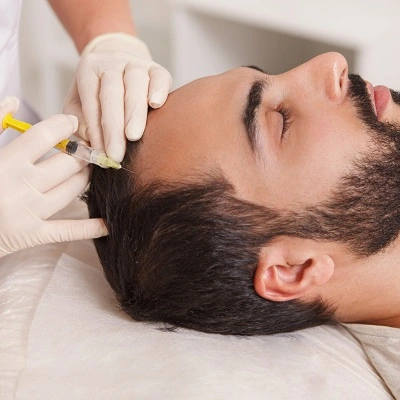
The central part of the procedure involves applying an exosome-based preparation to areas of the scalp where hair is thinning.
The exact technique varies according to the provider and treatment protocol. Some approaches may use a method designed to help deliver the preparation to the targeted scalp areas.
The objective is to expose the local environment around existing follicles to biological components associated with cellular communication.
Because treatment protocols can differ, patients should ask their provider exactly how the procedure will be performed rather than relying on general descriptions.
How Long Does a Session Take?
Treatment time can vary depending on the size of the area being treated, the selected technique, and the clinic's protocol.
A provider can give a more accurate estimate during the consultation. Patients should allow additional time for assessment and preparation, particularly if it is their first appointment.
The number of sessions recommended can also vary. Some treatment plans may involve multiple sessions spaced over a period of time.
What Does Treatment Feel Like?
The level of sensation during exosomes hair therapy depends on the method used to apply the preparation. Patients may experience some pressure, mild discomfort, or temporary sensitivity.
The provider should explain what sensations to expect before starting. If a patient experiences significant discomfort during the procedure, they should communicate this to the practitioner.
Because individual tolerance varies, experiences can differ from one person to another.
What Happens Immediately After Treatment?
After the procedure, the practitioner may provide instructions for caring for the treated scalp. Temporary redness, sensitivity, or mild irritation may occur depending on the technique and individual response.
Patients may be advised to avoid certain hair products or activities for a short period. Instructions about washing the scalp and protecting it from excessive sun exposure may also be provided.
Following the provider's recommendations is important for supporting the recovery process.
Recovery and Daily Activities
One reason patients consider exosome-based therapy is its non-surgical nature. Compared with a surgical hair transplant, the recovery process may be less extensive.
However, patients should not assume that every procedure has the same recovery requirements. The exact aftercare depends on the technique and product used.
A provider may recommend temporarily avoiding strenuous exercise, excessive heat, scalp manipulation, or certain cosmetic products. Patients should follow individualized instructions rather than general advice found online.
When Will Results Appear?
Hair growth is naturally a gradual process. Therefore, patients should not expect immediate changes after treatment.
If a person responds positively, improvements may become noticeable over time as hair follicles move through their natural growth cycles. The timeline varies according to genetics, age, cause of hair loss, follicle condition, overall health, and treatment protocol.
Regular follow-up appointments may help the provider assess progress and determine whether additional treatment is appropriate.
Choosing a Qualified Provider
Choosing the right provider is one of the most important steps when considering exosomes hair therapy. Patients should ask about professional qualifications, experience, the specific product being used, treatment protocols, potential risks, and available evidence.
It is also useful to ask about alternative treatments. Depending on the cause of hair loss, other established approaches may be more appropriate or may be considered alongside regenerative treatments.
A thorough consultation should provide clear information without unrealistic promises.
Understanding the Limitations
Exosome-based hair therapy is an emerging area, and research is still developing. Although there is considerable interest in the potential of exosomes, more high-quality research is needed to determine their effectiveness, ideal treatment protocols, and long-term outcomes.
Patients should therefore view the treatment as an evolving option rather than a guaranteed solution.
Final Thoughts
Knowing what to expect can make the process of considering exosomes hair therapy much easier. The journey generally involves a professional consultation, scalp preparation, application of an exosome-based preparation, aftercare, and a gradual evaluation of results.
Individual experiences and outcomes can vary, so professional assessment and realistic expectations are essential. Anyone considering this treatment should choose a qualified healthcare provider and discuss the procedure, potential benefits, limitations, and alternatives before making a decision.
With appropriate guidance, patients can better understand whether exosome-based therapy fits their personal hair restoration goals.
For more information visit Royal Hair Transplant clinic in islamabad
