

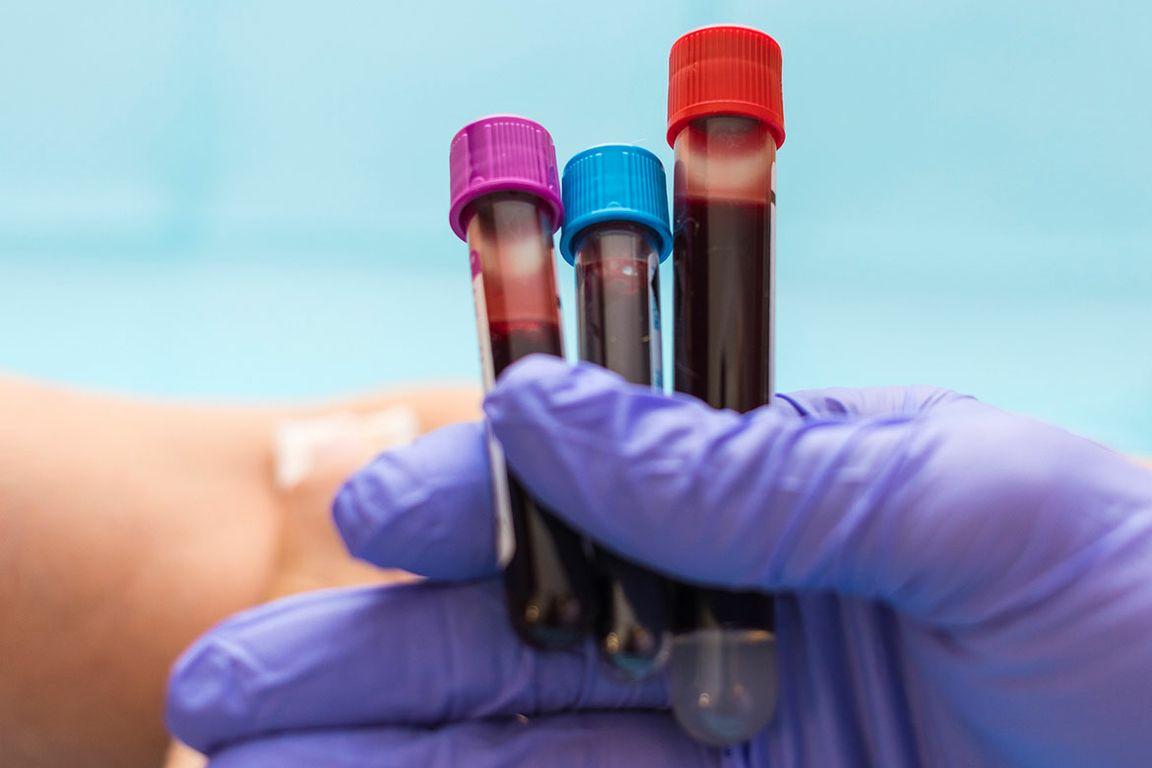

A thyroid antibodies test can provide important clues about whether the immune system is reacting against the Thyroid Antibodies Test in Dubai gland. It is commonly used when doctors suspect an autoimmune thyroid condition such as Hashimoto’s thyroiditis or Graves’ disease. But how accurate is a thyroid antibodies test?
The answer depends on which antibody is tested, the laboratory method, the condition being investigated, and the rest of the patient’s clinical picture. A positive or negative result is useful, but it should not be treated as a diagnosis in isolation.
Understanding what the test can detect, what can affect the result, and why thyroid function tests are often performed alongside it can make your laboratory report much easier to understand.
What Does a Thyroid Antibodies Test Actually Measure?
A thyroid antibodies test is a blood test that looks for specific immune proteins called antibodies. These antibodies may develop when the immune system mistakenly targets proteins involved in normal thyroid function.
The most commonly assessed thyroid antibodies include:
-
Thyroid peroxidase antibodies (TPOAb or anti-TPO)
-
Thyroglobulin antibodies (TgAb)
-
TSH receptor antibodies (TRAb)
-
Thyroid-stimulating immunoglobulin (TSI)
Different antibodies provide different information. Anti-TPO and thyroglobulin antibodies are commonly associated with autoimmune thyroiditis, particularly Hashimoto’s disease. TRAb and TSI are particularly relevant when Graves’ disease is suspected.
Because each test targets a different immune marker, there is no single accuracy percentage that applies to every thyroid antibody test.
How Reliable Are Thyroid Antibody Results?
Thyroid antibody testing is generally considered a useful tool for identifying autoimmune thyroid disease, but accuracy is not the same as certainty.
Laboratory tests are usually described using concepts such as sensitivity and specificity. Sensitivity refers to how well a test detects people who have a particular condition. Specificity describes how well it identifies people who do not have that condition.
A highly sensitive test can still produce some negative results in people who have the disease. Likewise, a highly specific test can occasionally be positive in someone who does not have the suspected condition.
This is why doctors interpret antibody testing together with symptoms, medical history, physical examination, TSH, free T4, and sometimes other thyroid tests.
Accuracy Depends on Which Thyroid Antibody Is Tested
One of the most important factors is the specific antibody being measured.
Anti-TPO Antibody Test:
The TPO antibody test detects antibodies against thyroid peroxidase, an enzyme involved in thyroid hormone production.
Anti-TPO antibodies are strongly associated with Hashimoto’s thyroiditis and other autoimmune thyroid conditions. A positive result can support an autoimmune explanation, particularly when TSH or free T4 results suggest hypothyroidism.
However, anti-TPO antibodies do not directly measure thyroid hormone production. Someone can have detectable TPO antibodies while thyroid function remains normal.
Thyroglobulin Antibody Test:
Thyroglobulin antibodies target thyroglobulin, a protein involved in thyroid hormone production and storage.
TgAb can also occur in autoimmune thyroid disease. However, like anti-TPO antibodies, the result must be interpreted in context rather than being treated as a standalone diagnosis.
TSH Receptor Antibody Test:
TRAb testing looks for antibodies directed against the thyroid-stimulating hormone receptor.
This test can be particularly helpful when Graves’ disease is suspected. Certain TSH receptor antibodies stimulate the thyroid and contribute to excessive thyroid hormone production.
When a person has biochemical hyperthyroidism along with positive TRAb or TSI, the findings can strongly support Graves’ disease.
Can a Thyroid Antibodies Test Be Wrong?
No laboratory test is perfect. A thyroid antibody result can sometimes be misleading if it is interpreted without considering the broader clinical picture.
A false-positive result means antibodies are detected even though the person does not have the specific autoimmune condition being considered. A false-negative result means the antibodies are not detected even though the underlying autoimmune disease may still be present.
The likelihood of either situation depends on the antibody, assay, laboratory, and disease being investigated.
This is one reason doctors do not usually diagnose thyroid disease based solely on an antibody result.
Why Can Antibodies Be Positive When Thyroid Function Is Normal?
This is a common source of confusion.
A positive thyroid antibody test does not necessarily mean that the thyroid is currently underactive or overactive. Autoimmune activity and thyroid function are related, but they are not identical measurements.
For example, someone may have positive anti-TPO antibodies but normal TSH and free T4 levels. This may indicate an increased likelihood of autoimmune thyroid disease without showing current thyroid hormone dysfunction.
In such cases, the doctor may focus on monitoring thyroid function rather than treating the antibody number itself.
Does a High Antibody Level Mean More Severe Thyroid Disease?
Not necessarily.
It is tempting to assume that a very high thyroid antibody result means severe disease, but antibody concentration should not be used as a simple measurement of thyroid disease severity.
The clinical importance of an antibody result depends on the type of antibody and the circumstances in which it was tested.
For many people with Hashimoto’s disease, for example, TSH and free T4 are much more useful for assessing current thyroid function than repeatedly measuring antibody levels.
The antibody result is primarily a clue about the underlying autoimmune process.
What Happens If the Thyroid Antibodies Test Is Negative?
A negative result can be reassuring in certain situations, but it does not automatically rule out every thyroid disorder.
A person may have thyroid disease without having detectable thyroid antibodies. Different autoimmune thyroid conditions also have different antibody patterns, and laboratory assays cannot identify every case.
For this reason, an abnormal TSH or free T4 should not simply be dismissed because an antibody test is negative.
Doctors may consider other explanations, repeat selected testing, or use additional investigations depending on the symptoms and thyroid function results.
Why TSH and Free T4 Matter So Much?
The most useful way to understand thyroid antibody testing is to separate two questions:
Is the immune system showing evidence of an autoimmune thyroid process?
and
Is the thyroid currently producing an abnormal amount of hormone?
Thyroid antibody tests mainly help with the first question. TSH and free T4 are central to answering the second.
For example:
-
High TSH with low free T4 can support overt hypothyroidism.
-
High TSH with normal free T4 may indicate subclinical hypothyroidism.
-
Low TSH with high free T4 can support hyperthyroidism.
-
Positive anti-TPO antibodies alongside a hypothyroid pattern can support an autoimmune cause such as Hashimoto’s disease.
-
Low TSH, elevated thyroid hormones, and positive TRAb or TSI can support Graves’ disease.
This combination provides considerably more information than any single laboratory result.
What Can Affect Thyroid Antibody Test Accuracy?
Several factors can influence how a result should be interpreted.
Laboratory Testing Method:
Different laboratories may use different assays and measurement systems. Their reference ranges can therefore vary.
Always compare your result with the reference range printed on your own laboratory report, rather than relying on a universal cutoff found online.
The Condition Being Investigated:
An antibody test designed to support the evaluation of Graves’ disease is not interchangeable with one used to investigate Hashimoto’s disease.
The choice of antibody matters.
Timing of Testing:
Autoimmune activity can change over time. A negative antibody result at one point does not necessarily predict what a future test will show.
Medications and Supplements:
Some medications and supplements can interfere with laboratory testing. Biotin, for example, can interfere with certain thyroid-related laboratory assays.
Tell your healthcare professional about medications and supplements you take. Do not stop a prescribed medicine simply because you are having thyroid blood tests unless your healthcare professional specifically instructs you to do so.
Does a Thyroid Antibodies Test Need to Be Repeated?
Usually, antibody testing is not repeated simply to watch the number rise or fall.
For autoimmune hypothyroidism, ongoing assessment generally focuses more on thyroid function, particularly TSH and free T4, than on repeatedly measuring TPO antibody levels.
There are circumstances in which antibody testing can have an ongoing role. TRAb testing, for example, may be useful in selected people with Graves’ disease, including certain pregnancy-related assessments.
The decision to repeat testing should therefore depend on the clinical situation rather than a routine schedule.
How Accurate Is the Test for Hashimoto’s Disease?
Thyroid antibody testing can be very helpful when Hashimoto’s disease is suspected, especially when anti-TPO antibodies are detected.
However, Hashimoto’s disease is a clinical diagnosis supported by laboratory findings and, when appropriate, other evaluations. A person may have autoimmune thyroiditis with different antibody patterns, and not every person with suspected autoimmune thyroid disease will have detectable antibodies.
If thyroid function is abnormal, the TSH and free T4 results remain important regardless of the antibody findings.
How Accurate Is the Test for Graves’ Disease?
TRAb and TSI testing can be particularly valuable when Graves’ disease is suspected.
When hyperthyroidism is confirmed through thyroid function testing and appropriate thyroid-stimulating antibodies are present, the overall evidence can strongly point toward Graves’ disease.
However, doctors may still consider symptoms, examination findings, medication history, and other causes of hyperthyroidism before reaching a final diagnosis.
When Should You Discuss Your Results With a Doctor?
Consider discussing your thyroid antibody results with a healthcare professional if:
-
Your antibody test is positive for the first time.
-
Your TSH or free T4 is abnormal.
-
You have symptoms suggesting hypothyroidism or hyperthyroidism.
-
You have a personal or family history of autoimmune thyroid disease.
-
You have been diagnosed with Graves’ disease or Hashimoto’s disease.
-
You are pregnant or planning pregnancy and have current or previous Graves’ disease.
-
Your laboratory report uses a reference range you do not understand.
Seek prompt medical attention for concerning symptoms such as severe chest pain, severe shortness of breath, fainting, or a very rapid or irregular heartbeat.
The Bottom Line: Is a Thyroid Antibodies Test Accurate?
A thyroid antibodies Lab tests can be highly useful and reliable for detecting evidence of thyroid autoimmunity, but its accuracy should always be considered in context.
A positive result does not automatically mean you have active thyroid dysfunction, while a negative result does not rule out every thyroid condition. The specific antibody being tested, laboratory assay, reference range, symptoms, and thyroid function results all influence the meaning of the result.
The most accurate interpretation comes from looking at the whole clinical picture, especially when thyroid antibodies are evaluated alongside TSH and free T4.
Rather than asking only whether a thyroid antibodies test is accurate, a better question is: What does this particular result mean when considered with my thyroid function and symptoms? That approach provides a much clearer and more clinically useful understanding of thyroid health.

