


Why Should Buyers Compare Mansen Wholesale Inflatable Tent Specifications Carefully
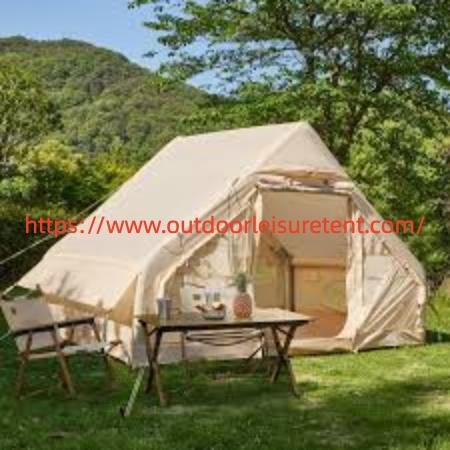
Wholesale Inflatable Tent purchasing should begin with a clear understanding of where and how the product will be used. Event companies, rental businesses, outdoor retailers, exhibition organizers, and promotional teams may have very different requirements. Before placing a bulk order, buyers should consider dimensions, fabric construction, air system, anchoring, transportation, storage, customization, and expected installation conditions. Recent buying guides also recommend checking product specific information instead of relying only on general marketing descriptions.
The intended application should be decided first. A small promotional shelter may need a compact footprint and clear branding areas, while an event structure may require wider entrances, additional covered space, sidewalls, or room for tables and equipment. Buyers should think about the number of people expected inside, the furniture that will be used, and the available installation area. Measuring the actual site before ordering can prevent problems caused by selecting a size based only on catalogue photographs.
Material construction deserves careful attention because commercial products may be transported, installed, folded, stored, and reused many times. Buyers can ask about fabric type, thickness, coating, reinforcement, and seam construction. The air beam material should also be identified clearly. PVC and TPU based structures can have different characteristics related to flexibility, weight, repair methods, and manufacturing processes. Instead of focusing on one specification, purchasers can request material samples and technical documents that relate to the actual model being ordered.
The inflation system is another important point. Buyers should confirm whether the structure uses a continuous blower or a sealed air chamber system, because the operating method can affect power requirements and daily use. For blower supported products, check the required voltage, power consumption, operating instructions, connection design, and whether replacement components are available. If the product will be used at temporary events, the available power supply should be considered before the order is finalized.
Anchoring should never be treated as a small accessory. Grass, concrete, asphalt, sand, and other surfaces can require different methods. Buyers should ask which anchor points are included, what equipment is supplied, and whether the manufacturer has product specific guidance for the intended installation surface. Where testing or engineering information is available, it should relate to the actual configuration rather than a generic structure. This makes the installation plan easier to evaluate and communicate with event teams.
Packaging and transportation also matter for bulk purchasing. A large order may involve considerable warehouse space, container planning, local delivery, and repeated movement between venues. Buyers should request packed dimensions, unit weight, carton information, and the number of packages required for each model. A product that is convenient to store and transport can make inventory management easier for rental companies and distributors.
Customization is another consideration for commercial buyers. Many event products are used as visible brand spaces, so the placement of logos, printed graphics, entrances, windows, colors, and other visual elements should be confirmed before production. Buyers should approve artwork carefully and check how the design will appear at the intended viewing distance. A clear approval process can reduce misunderstandings between the purchasing team and factory.
Maintenance should also be discussed before ordering. Buyers can ask how the fabric should be cleaned, how the structure should be dried before storage, how small punctures can be repaired, and which replacement parts are available. For rental businesses, these details can become especially important because products may be installed and packed repeatedly throughout a season.
Mansen works with buyers looking for practical outdoor shelter solutions for different commercial and leisure applications. Product selection can be discussed around size, materials, structure, packaging, customization, and target market requirements. A clear specification allows the manufacturer to understand the purchasing objective and helps buyers compare suitable configurations before confirming a bulk order.
Before approving production, buyers can create a simple checklist covering application, dimensions, material, seams, inflation method, anchoring, packaging, artwork, maintenance, and delivery requirements. This approach keeps the purchasing discussion focused on measurable details rather than general claims. For buyers comparing available models and configurations, the Mansen product range can be reviewed at https://www.outdoorleisuretent.com/product/ and evaluated according to specific event, retail, rental, or outdoor application needs.

 Bangla