

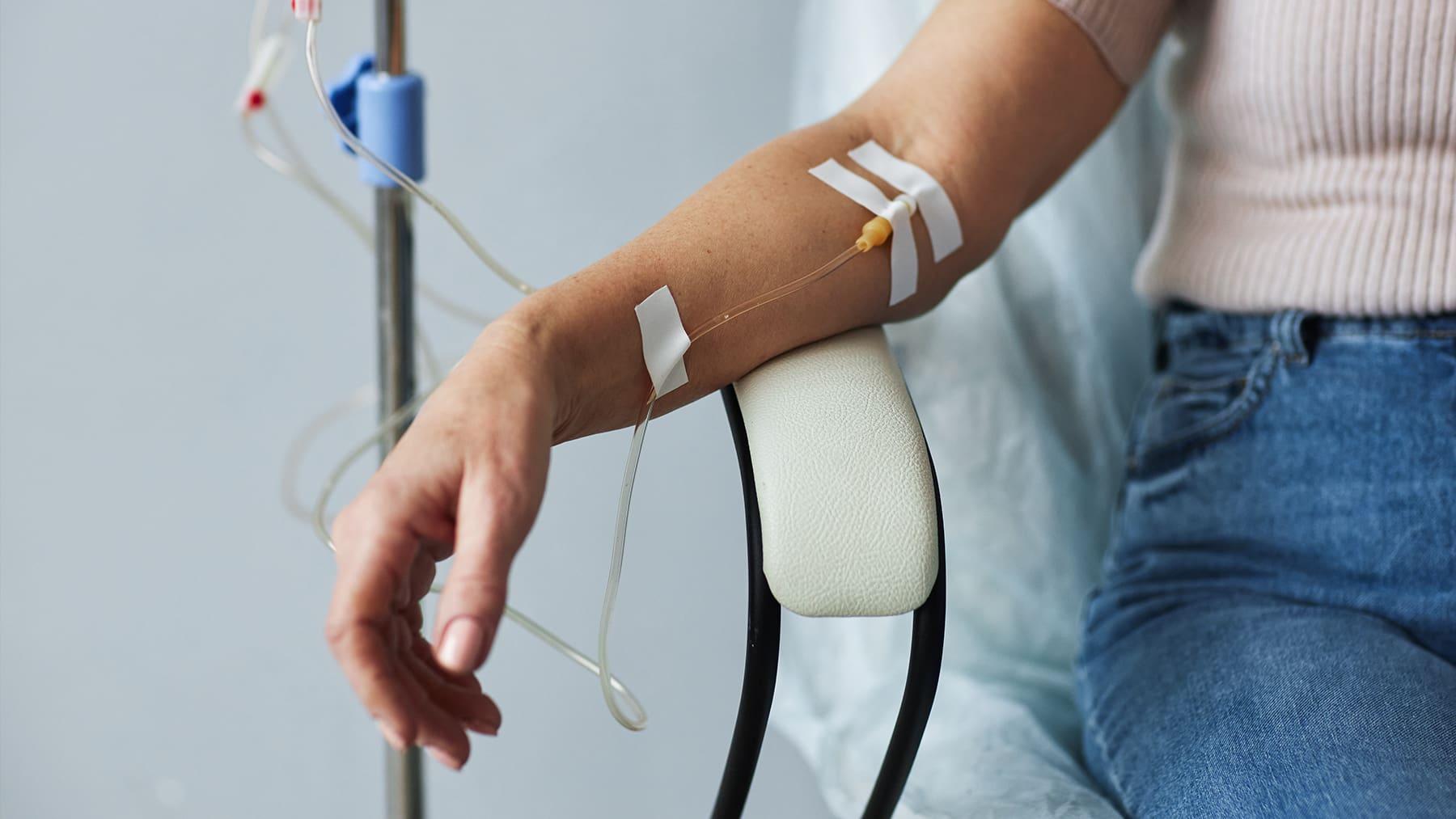

Before an IV Drip, a healthcare professional performs several important checks to make sure the treatment is suitable and safe for you. The process usually begins with a consultation, followed by a review of your medical history, current symptoms, medications, allergies, and treatment goals. If you are considering المحلول الوريدي في دبي, understanding what happens before the infusion can help you feel prepared and know what to expect. IV Drip Therapy delivers fluids, vitamins, minerals, or prescribed medications directly into a vein. Although the treatment may be used for hydration, nutrient replacement, or selected medical purposes, it is not suitable for everyone. Proper preparation helps the healthcare provider choose an appropriate solution and reduce the possibility of complications.
Initial Consultation Before IV Drip Therapy:
The first step is usually a consultation with a qualified healthcare professional. During this appointment, you can explain why you are considering IV treatment and what you hope to achieve.
You may discuss:
- Dehydration or fluid loss
- Recovery after illness
- A diagnosed nutrient deficiency
- Poor absorption of nutrients
- General wellness concerns
- Fatigue or weakness
- A prescribed medication that requires IV delivery
The provider will assess whether IV therapy is appropriate for your situation. If the treatment is not medically necessary, they may recommend alternatives such as oral fluids, balanced nutrition, rest, or another suitable treatment.
Review Of Your Medical History:
A medical history review is an important part of preparation. Certain health conditions may increase the risks associated with IV fluids, vitamins, minerals, or medications.
The healthcare professional may ask about:
- Kidney disease
- Heart disease or heart failure
- Liver problems
- High blood pressure
- Diabetes
- Electrolyte disorders
- Pregnancy or breastfeeding
- Previous allergic reactions
- Fluid restrictions
- Earlier IV treatment complications
People with kidney or heart conditions may need special consideration because the body may not handle excess fluid or certain nutrients properly. The provider may adjust the treatment, request further testing, or recommend avoiding the infusion.
Review Of Medications And Allergies:
Before an IV Drip, tell the provider about all prescription medicines, over-the-counter products, vitamins, and supplements you use. Some ingredients may interact with medications or increase the risk of side effects.
You should also mention any known allergies, especially allergies to medicines, vitamins, minerals, preservatives, or adhesive materials. If you previously experienced swelling, breathing difficulty, rash, or another reaction during an infusion, explain what happened.
This information helps the provider select safer ingredients and prepare for possible reactions.
Assessment Of Symptoms And Treatment Goals:
The provider may ask about your current symptoms and how long you have experienced them. For example, fatigue may be caused by poor sleep, dehydration, anemia, medication effects, or another underlying condition. An IV vitamin infusion may not address the actual cause.
A careful assessment helps determine whether IV therapy is appropriate or whether further investigation is needed. It also prevents treatment from being selected only because of a general wellness claim.
Your treatment goals should be realistic. IV Drip Therapy may be useful in selected medical situations, but it is not a guaranteed solution for low energy, skin concerns, weight loss, or general health improvement.
Vital Signs And Physical Assessment:
Before the infusion, the healthcare professional may check your vital signs and general condition. These checks can include:
- Blood pressure
- Pulse rate
- Temperature
- Breathing rate
- Hydration status
- General appearance
- Condition of the veins
The provider may examine your hands and arms to identify a suitable vein. If your veins are difficult to access, they may choose another site or use an alternative technique.
These checks help determine whether you are ready for treatment and whether any concerns need to be addressed first.
Blood Tests And Other Investigations:
Blood tests are not necessary for every IV Drip. However, they may be recommended when your symptoms or medical history suggest a possible deficiency, electrolyte imbalance, or other health problem.
Testing may be considered when:
- You have ongoing unexplained fatigue
- A nutrient deficiency is suspected
- You have kidney or liver disease
- You have an electrolyte disorder
- You need a high-dose vitamin or mineral infusion
- You are receiving a prescribed medication through an IV
The provider should explain why testing is needed and how the results will affect the treatment plan. A simple hydration infusion may require a different assessment from a complex vitamin or medication infusion.
Choosing The IV Solution:
The IV solution is selected according to your health needs, not simply according to a popular package or promotional claim. The provider may consider hydration fluids, vitamins, minerals, electrolytes, or prescribed medication.
The selection may depend on:
- Your symptoms
- Your medical history
- Your age and general health
- Your hydration status
- Your medication use
- Blood test results
- The purpose of treatment
- Possible allergies or interactions
There is no single IV formula that is best for every person. More ingredients or higher doses do not automatically produce better results. The safest option is one that is medically justified and properly supervised.
Preparing The IV Insertion Site:
Once the provider confirms that treatment is appropriate, the selected insertion site is prepared. The skin is cleaned with an antiseptic solution to reduce the risk of infection.
A tourniquet may be placed around the arm to make the vein easier to see or feel. The healthcare professional then selects a suitable vein, commonly on the back of the hand or along the forearm.
You may feel a brief pinch or stinging sensation when the catheter is inserted. The area should be kept clean, and the provider should use sterile equipment throughout the process.
What Should You Do Before The Appointment?
Your healthcare provider may give specific instructions before the infusion. In many cases, it is helpful to drink an appropriate amount of water unless you have been told to restrict fluids.
You should also:
- Eat normally unless instructed otherwise
- Wear comfortable clothing with easy arm access
- Bring a list of medications and supplements
- Inform the provider about allergies
- Avoid hiding medical conditions
- Arrive early enough for the consultation
- Ask questions about the solution and possible risks
Do not stop prescribed medication or change your diet significantly without medical advice.
What If You Feel Unwell Before Treatment?
Tell the healthcare professional if you develop fever, dizziness, chest discomfort, breathing difficulty, severe weakness, vomiting, or another concerning symptom before the infusion. The treatment may need to be delayed while the cause is assessed.
IV therapy should not be used to mask symptoms that may require urgent medical attention. If symptoms are severe or sudden, seek appropriate emergency care instead of waiting for a wellness infusion.
Frequently Asked Questions:
Do I need to fast before an IV Drip?
Fasting is not usually required for every IV infusion. Follow the instructions provided by your healthcare professional.
Can I drink water before IV Drip Therapy?
Many people can drink water before treatment, but those with fluid restrictions should follow their medical advice.
Should I bring my medication list?
Yes. A medication and supplement list helps the provider identify possible interactions and safety concerns.
Will I need blood tests before every IV Drip?
No. Testing depends on your symptoms, medical history, and the ingredients being considered.
Can I receive an IV Drip if I have a medical condition?
Possibly, but the provider must first assess your condition. Kidney disease, heart problems, pregnancy, fluid restrictions, and medication use may require additional caution.
Conclusion:
Before an IV Drip, a healthcare professional reviews your medical history, symptoms, medications, allergies, and treatment goals. They may check your vital signs, assess hydration, recommend blood tests, and select a suitable infusion. The insertion site is then cleaned and prepared before the catheter is placed. Proper preparation helps ensure that IV Drip Therapy is based on genuine medical needs and delivered as safely as possible.
