

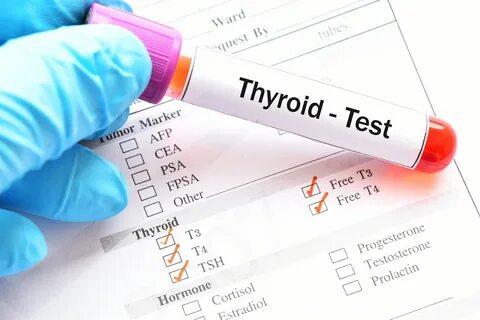

Seeing a high result on an anti-thyroglobulin test can naturally raise questions. Does it mean you have Hashimoto's disease? Does a higher antibody level mean your thyroid is becoming less active? Do you need treatment?
The answer is more nuanced than a single laboratory number suggests.
The Anti-Thyroglobulin Antibodies Test in Dubai, also called a thyroglobulin antibody test or TgAb test, detects antibodies directed against thyroglobulin, a protein produced by the thyroid gland. Elevated thyroglobulin antibodies can be associated with autoimmune thyroid disease, particularly Hashimoto's thyroiditis, but the result does not measure thyroid function or automatically establish a specific diagnosis.
To understand what a high TgAb result may indicate, it helps to look at the result together with TSH, free T4, symptoms, medical history, and other thyroid antibody tests.
What Does a High Anti-Thyroglobulin Result Actually Mean?
A high anti-thyroglobulin result generally means that thyroglobulin antibodies were detected above the reference range used by the laboratory.
These antibodies are produced by the immune system. In autoimmune thyroid conditions, the immune system mistakenly reacts against components of thyroid tissue.
Thyroglobulin is one of those components.
Therefore, elevated TgAb can be a sign of thyroid autoimmunity. However, it is important not to interpret the result as a direct measurement of thyroid damage.
A high antibody level does not tell you:
-
How much thyroid hormone your gland is producing
-
Whether you currently have hypothyroidism
-
How severe your thyroid condition is
-
Whether you definitely have Hashimoto's thyroiditis
-
Whether thyroid medication is required
Those questions require additional clinical information and, particularly, thyroid function testing.
Why Does the Immune System Produce Thyroglobulin Antibodies?
The immune system normally protects the body by identifying and responding to potentially harmful substances. In an autoimmune condition, this system can mistakenly recognize the body's own tissues as targets.
In autoimmune thyroid disease, antibodies may develop against substances associated with the thyroid.
Thyroglobulin antibodies target thyroglobulin, a protein involved in thyroid hormone production and storage.
Their presence can therefore provide a clue that an autoimmune process involving the thyroid may be occurring.
This is why TgAb testing can be useful when a healthcare professional is investigating suspected Hashimoto's thyroiditis or autoimmune thyroid disease.
The Most Common Association: Hashimoto's Thyroiditis
One of the most important conditions associated with elevated thyroglobulin antibodies is Hashimoto's thyroiditis.
Hashimoto's is an autoimmune disorder in which immune activity can gradually damage thyroid tissue. Over time, this may reduce thyroid hormone production and result in hypothyroidism.
People with Hashimoto's may have thyroid antibodies such as:
-
Thyroglobulin antibodies
-
Thyroid peroxidase antibodies, or TPO antibodies
However, antibody patterns vary between individuals.
A person can have elevated TgAb and normal thyroid hormone levels, while another person may have elevated TgAb together with an abnormal TSH and low free T4.
The antibody result therefore needs to be interpreted in context.
High TgAb Does Not Automatically Mean Hypothyroidism:
This is one of the most important points to understand.
A high anti-thyroglobulin antibody level does not automatically mean that your thyroid is currently underactive.
For example, a person might have:
High TgAb + normal TSH + normal free T4
This pattern may indicate evidence of thyroid autoimmunity without current biochemical hypothyroidism.
Another person might have:
High TgAb + high TSH + low free T4
When the clinical picture is consistent, this combination can support a diagnosis of hypothyroidism with possible autoimmune involvement.
The difference is that TSH and free T4 provide information about current thyroid function, while TgAb provides information about possible immune activity.
What Does TSH Add to a High TgAb Result?
TSH, or thyroid-stimulating hormone, is one of the most important tests for evaluating thyroid function.
TSH is produced by the pituitary gland and helps regulate thyroid hormone production.
When the thyroid is not producing enough hormone, TSH can increase as the body attempts to stimulate greater thyroid activity.
This makes TSH particularly useful when a person has elevated thyroid antibodies.
Consider these simplified patterns:
High TgAb and Normal TSH:
This may indicate thyroid autoimmunity without current thyroid dysfunction.
High TgAb and High TSH:
This can indicate that the thyroid may be underactive, especially if free T4 is also abnormal.
High TgAb, High TSH, and Low Free T4:
This pattern can support overt hypothyroidism when it fits the person's clinical circumstances.
The antibody result alone cannot make these distinctions.
What Does Free T4 Tell You?
Free T4, or free thyroxine, helps assess the amount of circulating thyroid hormone available to tissues.
When evaluating a high TgAb result, free T4 helps answer a question that antibody testing cannot:
Is thyroid hormone production currently adequate?
A person with elevated TgAb may have normal free T4, meaning thyroid hormone availability remains within the expected range.
If free T4 is low, the findings may indicate thyroid hormone deficiency, particularly when TSH is elevated.
This is why thyroid antibody testing should not replace thyroid function tests.
Could High TgAb Be Associated With Other Thyroid Conditions?
Yes.
Thyroglobulin antibodies are most strongly discussed in the context of autoimmune thyroid disease, but antibody detection does not identify one specific condition with certainty.
Other thyroid disorders can coexist with thyroid antibodies, and the significance of the result depends on the overall clinical picture.
For example, someone being evaluated for an abnormal thyroid function result may undergo antibody testing to determine whether an autoimmune process could be contributing.
The presence of TgAb should therefore be considered a clue, not a standalone diagnosis.
What Is the Difference Between High TgAb and High TPO Antibodies?
TgAb and TPO antibodies are both thyroid-related antibodies, but they target different substances.
TgAb: Targets thyroglobulin.
TPOAb: Targets thyroid peroxidase, an enzyme involved in thyroid hormone production.
Both can be associated with autoimmune thyroid disease, particularly Hashimoto's thyroiditis.
TPO antibodies are commonly used when Hashimoto's is suspected, while TgAb may provide additional evidence of thyroid autoimmunity.
A person may have both antibodies, only one type, or neither detectable antibody despite having a thyroid disorder.
Therefore, a high TgAb result should not be viewed independently from other thyroid antibody findings when those tests have been performed.
Does a Higher TgAb Number Mean More Severe Thyroid Disease?
Not necessarily.
It is tempting to assume that a very high antibody result means the thyroid is severely damaged. However, TgAb levels do not directly measure thyroid function or the severity of hypothyroidism.
A person with a high TgAb result may have normal thyroid function, while someone with a less elevated result may already have abnormal TSH and free T4.
The numerical antibody level should therefore be interpreted cautiously.
The laboratory's reference range is important for determining whether a result is considered elevated, but the actual clinical meaning depends on the complete picture.
Why Your Laboratory's Reference Range Matters?
There is no single universal TgAb number that can be called normal for every laboratory.
Different laboratories may use different assays, testing methods, units, and reference populations. This means that the reference interval printed on your own test report is the appropriate starting point.
For example, a TgAb value that appears high compared with a number found on an unrelated website may not be directly comparable if the laboratories use different methods.
When reviewing your report, look at:
-
Your TgAb result
-
The laboratory's reference range
-
The reported units
-
Whether the result is described as positive or negative
-
TSH and free T4 results
-
Other thyroid antibody results
This approach is much more reliable than focusing on the antibody number alone.
What If TgAb Is High but You Have No Symptoms?
It is possible to have elevated thyroglobulin antibodies without noticeable thyroid symptoms.
Autoimmune thyroid activity may exist before thyroid hormone levels become abnormal. Some people may therefore discover elevated antibodies during an evaluation even though they feel well.
If TSH and free T4 are normal, a high TgAb result does not automatically mean that treatment is necessary.
Depending on the clinical situation, a healthcare professional may recommend monitoring thyroid function over time.
This can be particularly relevant because autoimmune thyroid disease may affect thyroid function gradually.
What If You Have Symptoms and High TgAb?
Symptoms can provide additional context, but they cannot confirm Hashimoto's disease by themselves.
Possible symptoms associated with hypothyroidism include:
-
Fatigue
-
Cold intolerance
-
Constipation
-
Dry skin
-
Hair thinning
-
Changes in weight
-
Difficulty concentrating
-
Menstrual changes
If these symptoms occur together with elevated TgAb and abnormal thyroid function tests, the overall pattern may provide stronger evidence of an autoimmune thyroid disorder.
However, many other health conditions can cause similar symptoms.
For that reason, symptoms should be considered alongside laboratory findings rather than used as a diagnosis.
Can High TgAb Occur With Normal Thyroid Tests?
Yes.
This is an important scenario because it demonstrates why antibody testing and thyroid function testing should not be confused.
A person may have:
Elevated TgAb + normal TSH + normal free T4
This indicates that thyroid antibodies are detectable while current thyroid function remains within the laboratory's expected range.
It does not necessarily mean that hypothyroidism will definitely develop.
A healthcare professional can determine whether thyroid monitoring is appropriate based on the person's medical history and risk factors.
Can High TgAb Ever Occur Without Hashimoto's?
A positive TgAb result is associated with autoimmune thyroid conditions, but it does not establish Hashimoto's disease by itself.
The diagnosis may involve a combination of antibody findings, thyroid function results, symptoms, examination findings, and medical history.
A high TgAb result should therefore be interpreted as evidence that may support thyroid autoimmunity rather than as proof of one specific disease.
This distinction is especially important when thyroid hormone levels are normal.
Does High TgAb Require Treatment?
Not necessarily.
Thyroid antibody levels themselves are generally not treated. Treatment decisions depend on whether a thyroid disorder is present and how the thyroid is functioning.
For example, a person with established hypothyroidism may need thyroid hormone replacement, while someone with elevated antibodies but normal thyroid function may not need immediate medication.
Other factors can influence management, including symptoms, pregnancy status, age, medical history, and thyroid function results.
Never start, stop, or change prescribed thyroid medication based solely on an antibody result.
Should High TgAb Be Retested?
Repeated anti-thyroglobulin testing is not automatically necessary.
For many people with autoimmune thyroid disease, TSH and free T4 monitoring provides more useful information about current thyroid function than repeatedly measuring antibody levels.
A healthcare professional may recommend repeat antibody testing in selected circumstances, but the decision should be based on whether the result is likely to change clinical management.
If you are told that your TgAb is high, it is reasonable to ask what the result means for your thyroid function and whether follow-up testing is needed.
What Happens After a High Anti-Thyroglobulin Result?
The next step depends on what the rest of the thyroid evaluation shows.
A healthcare professional may review:
-
TSH to assess thyroid regulation
-
Free T4 to evaluate circulating thyroid hormone
-
TPO antibodies to look for another important marker of thyroid autoimmunity
-
Symptoms and medical history for clinical context
-
Previous thyroid results to identify changes over time
-
Additional testing or imaging, when clinically appropriate
There is no single follow-up plan that applies to everyone with elevated TgAb.
A Practical Example of Interpreting High TgAb:
Imagine two people receive high anti-thyroglobulin results.
The first has high TgAb, normal TSH, normal free T4, and no significant symptoms.
The second has high TgAb, elevated TSH, low free T4, fatigue, and other findings consistent with hypothyroidism.
Although both have elevated TgAb, their clinical situations are different.
The first may have evidence of thyroid autoimmunity without current thyroid dysfunction.
The second may have autoimmune thyroid disease associated with current hypothyroidism.
This example shows why the antibody result is only one part of the thyroid evaluation.
When Should You Discuss a High TgAb Result With a Healthcare Professional?
An elevated result should be discussed with a qualified healthcare professional, particularly if you also have abnormal TSH or free T4 results, thyroid symptoms, a history of thyroid disease, or pregnancy-related thyroid concerns.
Seek prompt medical attention for severe or concerning symptoms such as chest pain, fainting, severe shortness of breath, or a very rapid or irregular heartbeat.
For routine abnormal thyroid results, the priority is understanding the complete pattern rather than reacting to the antibody number alone.
Final Answer: What Can High Anti-Thyroglobulin Levels Indicate?
High anti-thyroglobulin antibodies Lab tests can indicate an immune response directed against thyroglobulin and may support the presence of thyroid autoimmunity, particularly in Hashimoto's thyroiditis.
However, a high TgAb level does not automatically mean that you have hypothyroidism, does not directly measure thyroid damage, and does not by itself determine whether treatment is necessary.
The most useful interpretation combines TgAb with TSH, free T4, TPO antibodies, symptoms, medical history, and the laboratory's reference range.
If your anti-thyroglobulin test is high, think of the result as a clue rather than a final diagnosis. Understanding what your thyroid is doing now requires thyroid function testing and professional interpretation of the complete clinical picture.
