


Every shipment that crosses a border has to pass through one unavoidable checkpoint: customs. It doesn't matter how well packed the goods are or how reliable the shipping line is, nothing moves forward until customs gives its approval. For businesses new to international trade, this step can feel like a black box. This article opens that box up and walks through what customs clearance actually involves, from the paperwork to the people who handle it.
The Purpose Behind Customs Clearance
Every country uses its customs authority to control what crosses its borders. This serves a few practical purposes. Governments collect duties and taxes on imported goods, which fund public services. Authorities also check for anything illegal, unsafe, or restricted, and they verify that businesses are following trade laws correctly.
For a business shipping goods internationally, this means customs clearance isn't optional or something to work around. It's a required step, and skipping proper procedures can lead to fines, seized shipments, or long term complications with future imports.
Who Actually Handles the Process
Most businesses don't clear their own goods through customs directly. Instead, they rely on a customs broker or a freight forwarder that offers brokerage services. These professionals are licensed and trained specifically to prepare documentation, calculate duties, and communicate with customs authorities on a business's behalf.
Larger companies sometimes build their own internal customs teams, but for most small and medium sized businesses, outsourcing this task to an experienced broker or forwarder makes far more sense than trying to build that expertise in house.
The Paper Trail That Makes It All Work
Customs clearance runs on documentation. Without the right paperwork, nothing moves. The most common documents involved include the commercial invoice, which shows the value and details of the transaction, and the packing list, which describes exactly what's inside the shipment.
Beyond these two, a bill of lading or airway bill proves the contract of carriage between the shipper and the transport company. A certificate of origin confirms where the goods were made, which can affect duty rates depending on trade agreements between countries. Certain goods also require import or export licenses, along with proof of insurance in some cases.
Getting any of these documents wrong, even something as small as a mismatched product description, is one of the most common reasons shipments get held up.
Walking Through the Process
Here's roughly how a shipment moves through customs clearance from start to finish.
Getting the Paperwork Ready
Before a shipment even arrives at its destination, documents need to be prepared and checked for accuracy. This includes gathering invoices, packing lists, and any special permits the specific goods might require.
Submitting to Customs
Once the shipment arrives, or in some systems even before it physically arrives, the documentation gets submitted to the relevant customs authority. Many countries now handle this electronically, which speeds things up considerably compared to older paper based systems.
Calculating What's Owed
Customs officials review the submitted information and calculate any duties or taxes based on the type, value, and origin of the goods. This step depends heavily on accurate classification of the products being shipped.
Possible Inspection
Not every shipment gets physically checked, but customs reserves the right to inspect cargo that looks unusual or gets flagged for random review. This might mean opening a container to confirm the contents match the paperwork.
Paying Duties
Once everything checks out, any owed duties and taxes need to be paid before the shipment can be released. This is typically handled by the customs broker or freight forwarder, with the cost passed along to the business.
Release and Onward Movement
After payment and final approval, customs releases the goods, and the shipment can continue toward its final destination, whether that's a warehouse, store, or directly to a customer.
Where Things Commonly Go Wrong
A few recurring issues tend to cause the most trouble during customs clearance.
Incomplete or inaccurate documentation remains the single biggest cause of delays. A missing signature or a value that doesn't match across documents can trigger a hold. Misclassifying goods under the wrong customs code is another frequent problem, since it can lead to incorrect duty calculations or unwanted attention from customs officials.
Businesses are sometimes caught off guard by duty rates they didn't anticipate, especially when trade agreements or product classifications aren't fully understood ahead of time. And certain goods face outright restrictions or require special permits that, if missed, can lead to shipments being seized or turned back entirely.
Practical Ways to Keep Things Moving
A handful of habits go a long way toward avoiding customs headaches.
Review documentation carefully before a shipment departs, making sure every detail lines up across invoices, packing lists, and certificates. Take time to understand duty rates and product classifications in advance rather than discovering them after arrival. Partner with a customs broker or freight forwarder who knows the specific rules for your trade routes. Research any special permits your particular goods might need well before shipping. And keep organized records from past shipments, since similar future shipments often benefit from that history.
Bringing It All Together
Customs clearance might seem like a maze of paperwork and procedure, but at its core, it comes down to accuracy and preparation. Businesses that take documentation seriously and understand the specific requirements of their destination countries tend to move through this process with far fewer surprises.
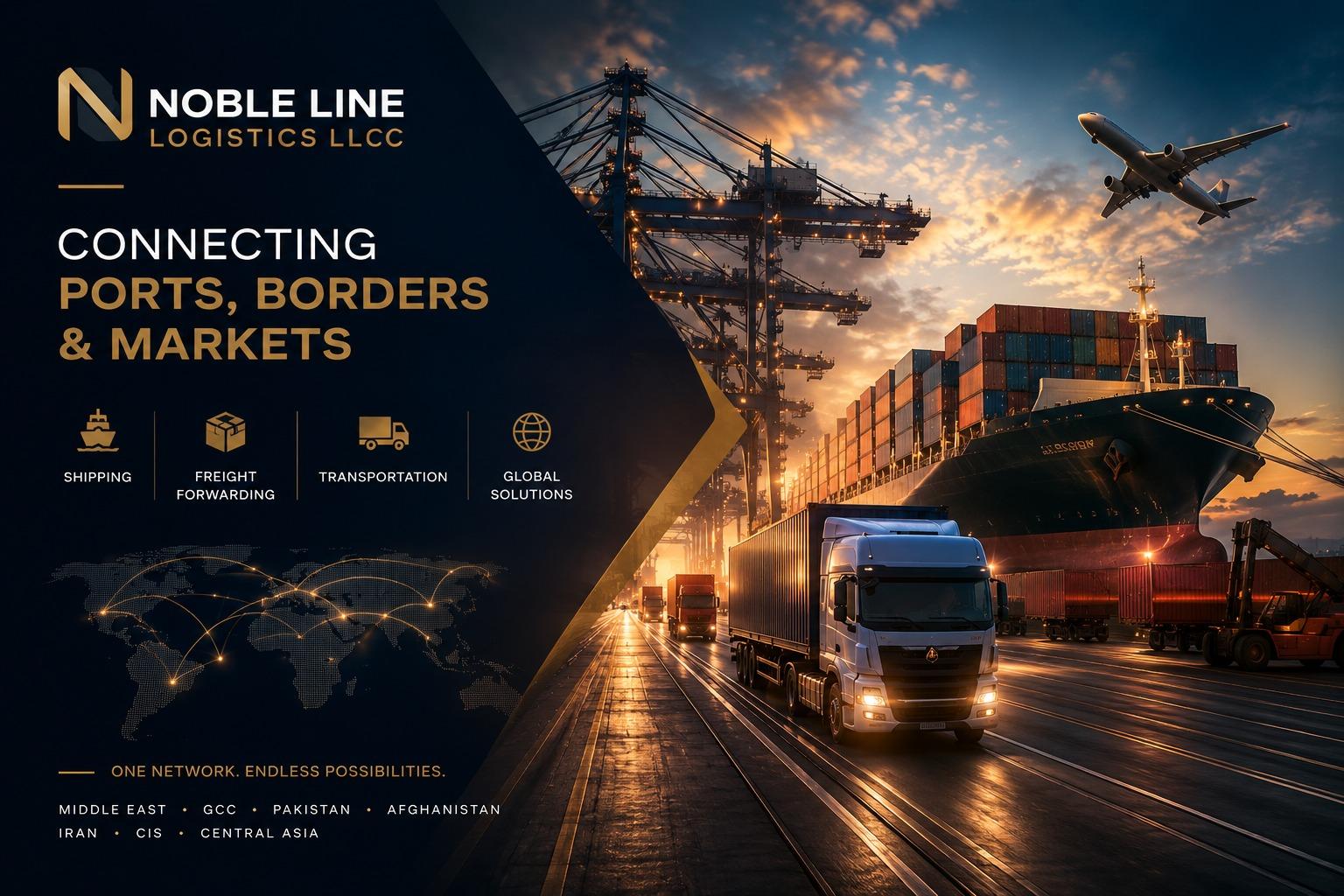
Many businesses choose freight forwarders that also offer customs brokerage, which simplifies the entire shipping journey into a single point of contact rather than juggling separate providers. Companies like Noble Line Logistics LLC support businesses through this process, managing documentation and customs coordination alongside their broader shipping services to help reduce delays and keep cargo moving.
If international customs clearance has felt confusing or unpredictable for your business, working with an experienced partner who knows the process inside and out can turn it into one of the more manageable parts of your shipping operation rather than the most stressful one.
