


IV Drip at Home for Fast Hydration and Recovery
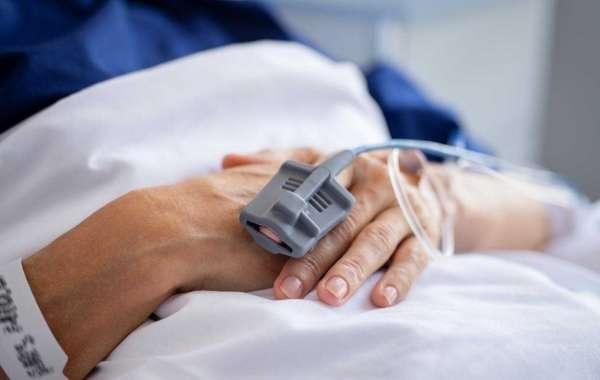
Staying properly hydrated is an important part of supporting normal body functions, but there are situations where a person may struggle to maintain adequate fluid intake. IV Drip at Home offers a convenient option for eligible patients who require intravenous hydration and have been assessed as suitable for treatment outside a clinic. With professional supervision, the treatment can take place in a comfortable home environment.
For people who need medical evaluation without making an unnecessary trip to a healthcare facility, Doctor at home in Dubai services can provide professional assessment and guidance. A qualified healthcare professional can review symptoms and determine whether home-based IV treatment is appropriate.
What Is IV Drip at Home?
An IV drip is a method of delivering fluids directly into a vein through an intravenous catheter. Unlike fluids consumed by mouth, IV fluids enter the bloodstream directly. The type and amount of fluid used should be determined by a qualified healthcare professional according to the patient's individual circumstances.
An IV Drip at Home provides this treatment in the patient's home. A trained healthcare professional brings the appropriate equipment, evaluates the patient, establishes IV access, administers the prescribed fluid, and monitors the patient throughout the infusion.
Although the treatment takes place at home, it should still follow professional medical and infection-control standards.
Why Is Hydration Important?
Water is essential for many processes within the body. Adequate hydration supports normal circulation, body temperature regulation, digestion, muscle function, and other physiological processes.
Most healthy people can maintain hydration by drinking enough fluids throughout the day. However, fluid needs can change depending on factors such as physical activity, environmental conditions, illness, and fluid loss.
When someone cannot adequately replace lost fluids through drinking, a healthcare professional may evaluate whether intravenous hydration is appropriate.
Understanding Dehydration
Dehydration occurs when the body loses more fluid than it takes in. Mild dehydration may sometimes be managed by increasing oral fluid intake, while more significant dehydration can require professional medical assessment.
Symptoms can vary but may include thirst, dry mouth, fatigue, dizziness, reduced urination, or weakness. More serious symptoms require prompt medical attention rather than simply arranging a routine home infusion.
How Can an IV Drip Support Hydration?
When intravenous fluids are medically indicated, they can provide fluid directly into the bloodstream. This can be useful when oral hydration is not adequate or cannot be maintained.
However, IV therapy is not automatically better than drinking water. For a healthy person who can drink normally, oral hydration is often sufficient.
The decision to use an IV should be based on a healthcare professional's assessment. The purpose of treatment is to address an appropriate medical need rather than provide unnecessary fluids.
What Happens During Home IV Treatment?
The process begins with a medical assessment. The healthcare professional may discuss the patient's symptoms, health history, medications, allergies, and previous reactions to IV treatment.
If the treatment is considered appropriate, the professional prepares the equipment and selects a suitable IV site. A small catheter is inserted into a vein, commonly in the hand or arm.
The prescribed fluid is then administered through the IV line at an appropriate rate. The healthcare professional monitors the patient and checks the IV site throughout the treatment.
After the infusion is complete, the catheter is removed and the insertion site is checked.
Can IV Therapy Help With Recovery?
Hydration can be an important part of recovery in certain circumstances, particularly when fluid loss has occurred. However, recovery depends on the underlying cause of the patient's condition.
For example, someone experiencing significant fluid loss may need more than hydration alone. They may require medical evaluation to determine why the fluid loss occurred and whether additional treatment is necessary.
An IV Drip at Home should therefore be considered part of an appropriate healthcare plan rather than a universal recovery solution.
Recovery Should Be Personalized
Every patient's recovery needs are different. Factors such as age, medical history, medications, fluid balance, and the underlying condition can influence treatment decisions.
A qualified healthcare professional can determine whether IV hydration is appropriate and whether the patient can safely receive it at home.
Benefits of Receiving IV Therapy at Home
One of the main advantages of home IV therapy is convenience. Patients who are medically suitable for treatment may not need to travel to a clinic for an infusion.
The familiar home environment can also provide greater comfort and privacy. Patients can remain in a place where they feel relaxed while the healthcare professional administers and monitors the treatment.
Home treatment may also save travel time and make it easier for some people to arrange healthcare around their daily responsibilities.
However, convenience should never come at the expense of medical safety.
Is IV Drip at Home Safe?
When an appropriate patient receives IV treatment from a qualified healthcare professional using proper equipment and sterile procedures, home administration can be suitable.
Nevertheless, intravenous treatment carries potential risks. These may include bruising, bleeding, swelling, discomfort, irritation, or infection at the insertion site.
There can also be complications associated with inappropriate fluid administration. Certain medical conditions may require careful fluid management or hospital-based monitoring.
This makes professional assessment essential before beginning treatment.
Who May Not Be Suitable for Home IV Therapy?
Not every patient is appropriate for home IV treatment. People experiencing severe symptoms may require urgent evaluation in a hospital or emergency department.
Symptoms such as severe breathing difficulty, chest pain, fainting, confusion, or serious weakness should not be managed through a routine home IV service.
People with certain underlying medical conditions may also require additional evaluation before receiving intravenous fluids. A healthcare professional should determine whether the home setting provides an appropriate level of care.
Preparing for an IV Drip at Home
Patients can make the treatment experience easier by preparing a clean and comfortable area. Choose a place where you can sit or rest without needing to move around unnecessarily.
Wear comfortable clothing that allows access to the arm if needed. Keep relevant medical information available and tell the healthcare professional about medications, allergies, and existing medical conditions.
Patients should also follow any instructions provided before treatment.
Most importantly, patients should never attempt to administer IV fluids themselves. Intravenous procedures require appropriate training and sterile technique.
What to Expect After Treatment
After the infusion, the healthcare professional removes the catheter and checks the insertion site. The patient may receive aftercare instructions and guidance about symptoms to watch for.
Some people can return to their normal activities afterward, depending on their individual condition and the reason for treatment.
If symptoms continue, worsen, or become concerning, further medical evaluation may be necessary. Another IV infusion should not automatically be considered the solution.
Choosing a Professional Home IV Service
When considering an IV Drip at Home, choose a provider that uses qualified healthcare professionals and follows appropriate medical safety standards.
A reliable provider should conduct an assessment before treatment, explain the procedure, use appropriate sterile equipment, and monitor the patient during the infusion.
Patients should also be cautious about services that make exaggerated promises about hydration or recovery. IV therapy should be recommended based on appropriate healthcare needs.
Final Thoughts
IV Drip at Home can provide a convenient option for patients who require intravenous hydration and are medically suitable for treatment in a home environment. It can reduce unnecessary travel while allowing professional healthcare providers to administer and monitor the infusion.
However, IV hydration is not necessary for everyone and should not replace proper diagnosis or treatment of an underlying condition. Professional assessment is the foundation of responsible home IV therapy.
If you are experiencing dehydration or another health concern and are unsure what type of care you need, Doctor at home in Dubai services can provide professional evaluation and guidance. For severe or rapidly worsening symptoms, seek urgent medical care rather than relying on a routine home IV appointment.

 Bangla