

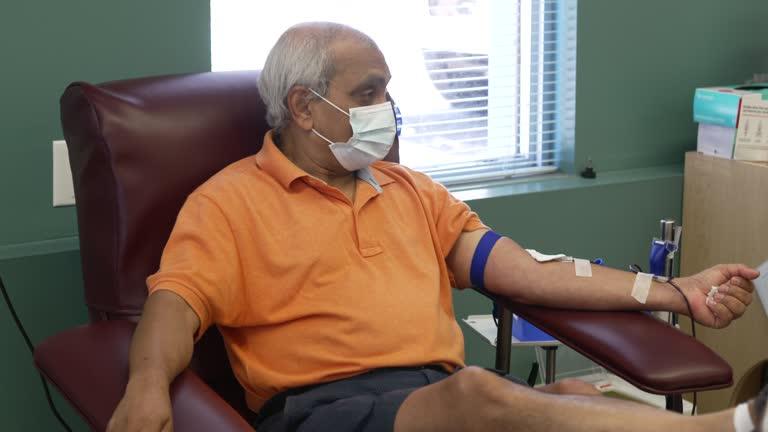

Choosing a Blood test at home can be a convenient option for people who want professional healthcare without spending extra time traveling to a clinic or laboratory. Home blood collection allows a trained healthcare professional to collect the required sample in a familiar environment while following appropriate hygiene and sample-handling procedures.
For patients who prefer convenient medical support, Doctor at home in Dubai services can also make it easier to discuss health concerns and determine whether diagnostic testing may be appropriate. A qualified healthcare professional can consider symptoms and medical history before recommending the right type of test.
Is Blood Test at Home Safe?
When performed by a trained professional, a home blood test can be a safe and practical alternative to visiting a healthcare facility for sample collection. Professional providers generally use sterile equipment, appropriate collection techniques, and suitable precautions to reduce the risk of contamination or infection.
The safety of the process depends on several factors, including the qualifications of the person collecting the sample, the equipment being used, and how the sample is labeled, stored, and transported.
Patients should therefore choose a reputable healthcare provider rather than focusing only on convenience or price.
How Reliable Is Home Blood Testing?
The reliability of a blood test depends largely on proper sample collection, handling, transportation, and laboratory analysis. The location where the blood is collected does not automatically determine whether the results are accurate.
A professional Blood test at home should involve appropriate preparation before collection and careful handling afterward. Once the sample reaches the laboratory, it can be analyzed using the same type of laboratory processes used for samples collected in a clinic, depending on the provider and testing service.
Following the correct preparation instructions is also important. For example, some tests may require fasting, while others may have specific timing requirements.
Professional Blood Sample Collection
One of the main advantages of home testing is that patients do not necessarily have to collect or handle their own blood samples. A trained healthcare professional can visit the patient's home and perform the collection.
The professional typically prepares the necessary equipment, confirms the requested tests, cleans the collection area appropriately, and obtains the required sample. After collection, the sample is placed into suitable containers and labeled for laboratory processing.
Proper sample identification is particularly important because laboratory results need to be matched correctly with the patient and requested tests.
When Can Blood Test at Home Be Useful?
Home blood testing can be useful in several everyday healthcare situations. People with busy work schedules may prefer to have testing completed at home rather than spending time traveling to a laboratory.
It can also be convenient for older adults, people with limited mobility, individuals recovering at home, or patients who feel uncomfortable in busy medical environments.
A Blood test at home may also be suitable for routine health monitoring when a healthcare professional has already recommended laboratory testing.
Routine Health Monitoring
Blood tests are commonly used to monitor different aspects of health. Depending on the test, they may provide information about blood cells, glucose levels, cholesterol, certain vitamins, hormones, or other health markers.
Regular testing can help healthcare professionals compare results over time and determine whether additional evaluation is needed.
However, not everyone needs the same blood tests. The appropriate testing schedule depends on individual health needs and should be determined with professional medical guidance.
Testing When You Have Symptoms
Healthcare professionals may recommend blood work when someone develops persistent or unexplained symptoms. Symptoms such as unusual tiredness, weakness, dizziness, or unexplained changes in health may sometimes require further evaluation.
Blood tests can provide useful information, but they are only one part of the diagnostic process. Results should be interpreted alongside symptoms, medical history, physical examination, and other relevant information.
If you experience severe or sudden symptoms, seek appropriate medical attention instead of relying solely on home testing.
What Makes Home Blood Testing Reliable?
Several factors contribute to reliable home blood testing. First, the sample should be collected by someone who understands proper blood collection techniques. Second, the correct tubes and equipment should be used for the requested tests.
Third, the sample should be correctly labeled and handled after collection. Finally, it should reach an appropriate laboratory under suitable conditions.
Choosing a professional healthcare provider that follows these steps can help maintain the quality of the testing process.
How Should You Prepare for a Home Blood Test?
Preparation depends on the specific laboratory test. Some tests may require fasting, while others may not. Your healthcare provider or laboratory should tell you what preparation is required before your appointment.
If fasting is required, follow the instructions carefully. You should also ask whether you can drink water or take your usual medications before the test. Never stop prescribed medication unless your healthcare professional specifically advises you to do so.
Preparing properly can help avoid unnecessary delays or the need to repeat a test.
Choosing the Right Home Testing Provider
Before booking a Blood test at home, consider whether the provider uses trained healthcare professionals and follows appropriate hygiene and sample-handling procedures.
It is also useful to understand which tests are available, how samples are transported, how results are delivered, and whether professional assistance is available if you have questions about your report.
A reliable service should focus on patient safety and laboratory quality rather than convenience alone.
Understanding Your Blood Test Results
Receiving your laboratory report is only one part of the testing process. Blood test results can contain reference ranges and technical information that may be difficult to understand without professional guidance.
A result outside the reference range does not always mean that a person has a serious health problem. Similarly, a result within the reference range does not necessarily rule out every possible condition.
For this reason, discuss your results with a qualified healthcare professional who can interpret them according to your individual situation.
Final Thoughts
A professionally performed Blood test at home can be a safe and convenient option for routine health checks, ongoing monitoring, and recommended diagnostic testing. The reliability of the results depends on proper sample collection, correct handling, appropriate transportation, and professional laboratory analysis.
Home testing can save time and make healthcare more comfortable, but choosing a reputable provider remains important. If a healthcare professional has recommended blood work, following their instructions and preparing correctly can help ensure a smooth testing experience and useful laboratory results.
