


How to Protect the Tracheostomy Site During Everyday Activities
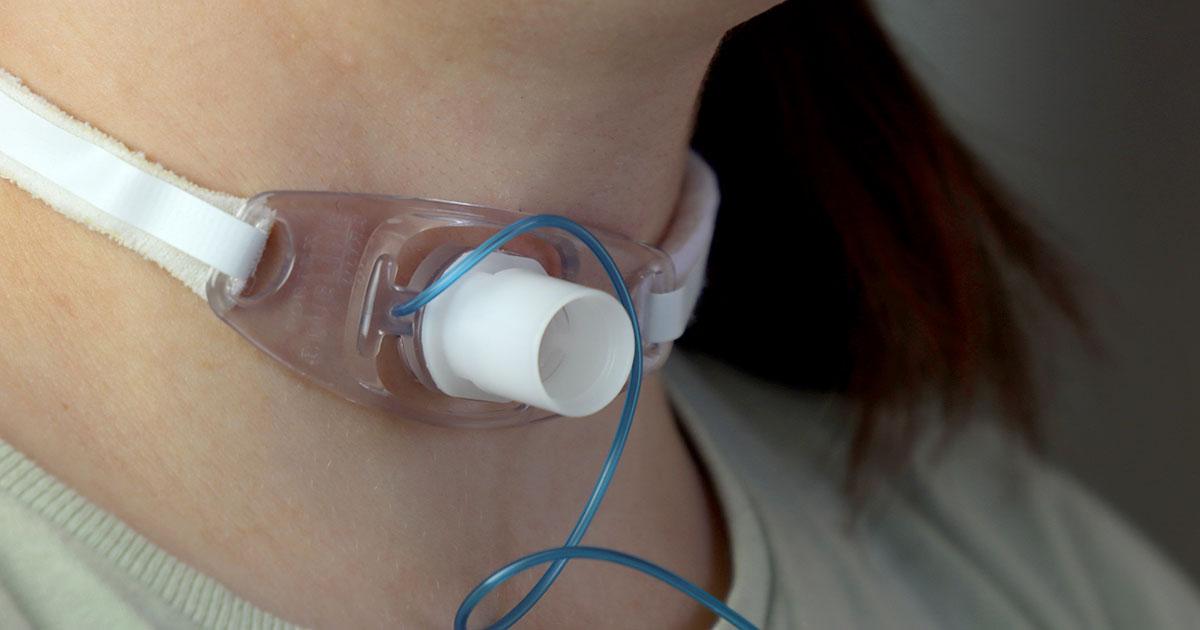
Protecting the tracheostomy site during everyday activities is an important part of maintaining comfort, cleanliness, and airway safety. For individuals receiving Tracheostomy care at home Dubai, simple precautions during bathing, sleeping, dressing, movement, and household activities can help reduce irritation and accidental tube problems. Since every patient has different medical needs, caregivers should follow the instructions provided by the healthcare team. When routine, non-emergency assessment is needed, a Doctor at Home service may also provide convenient professional support without requiring the patient to leave home.
Why Tracheostomy Site Protection Matters:
The area around a tracheostomy requires regular observation because the skin can become irritated by moisture, secretions, friction, pressure, or movement of the tube. Protecting the site also helps reduce the risk of accidental tube displacement and keeps the surrounding skin in better condition. A clean and well-maintained tracheostomy site can contribute to patient comfort and make daily care easier. Caregivers should become familiar with the patient's normal appearance and report changes such as increasing redness, swelling, bleeding, unusual drainage, or skin breakdown to the healthcare professional responsible for the patient's care.
Keeping the Tracheostomy Site Clean and Dry:
Regular cleaning should be performed according to the patient's individualized care instructions. The area around the tracheostomy may collect mucus or moisture, particularly when the patient coughs or produces increased secretions. Caregivers should use only the cleaning materials and technique recommended by the healthcare team. The skin should be gently cared for without unnecessary rubbing or pressure. If moisture accumulates around the site, it should be managed according to professional instructions. Avoid applying creams, powders, oils, or antiseptic products unless they have been specifically recommended, as inappropriate products may irritate the skin or interfere with the tracheostomy dressing.
Protecting the Site During Bathing:
Bathing requires special attention because water should not enter the tracheostomy opening. Patients and caregivers should follow the specific bathing method recommended by their healthcare provider. A shower may require positioning precautions or protective equipment depending on the patient's tracheostomy and clinical condition. The patient should never intentionally direct water toward the tracheostomy opening. During bathing, caregivers should also watch for excessive coughing, breathing difficulty, or discomfort. Keeping all necessary supplies nearby can make personal hygiene safer and reduce the need for sudden movement or repositioning.
Choosing Appropriate Clothing:
Clothing can affect comfort around the tracheostomy site. Tight collars, rough fabrics, scarves, necklaces, or other items that rub against the tube or surrounding skin may cause irritation. Comfortable clothing with adequate space around the neck can make routine activities easier. Caregivers should also take care when changing shirts or garments so that the tracheostomy tube and securing ties are not accidentally pulled. When dressing the patient, slow and controlled movements are preferable to rushing, especially if the patient has limited mobility or requires assistance with positioning.
Protecting the Site During Movement:
Everyday movement such as getting out of bed, sitting in a chair, walking, or transferring between surfaces can cause accidental pulling if the tracheostomy tubing becomes caught on clothing or equipment. Patients and caregivers should keep tubing and related equipment arranged safely and avoid placing unnecessary pressure on the neck. Transfers should be performed according to the patient's mobility plan. Patients who require assistance should receive appropriate support from trained caregivers. If the patient becomes breathless, develops unusual coughing, or experiences discomfort during movement, the activity should be stopped and the situation assessed according to the established care plan.
Sleeping Safely With a Tracheostomy:
Sleep can involve changes in body position that may affect tubing, dressings, or the tracheostomy site. The patient's sleeping arrangement should follow recommendations from the healthcare team. Bedding should be arranged so it does not cover or obstruct the tracheostomy opening. Loose items should not press against the neck or interfere with prescribed equipment. Caregivers should avoid making unnecessary changes to the patient's sleeping position if there are specific positioning instructions. Regular observation may be particularly important for patients who cannot independently communicate discomfort or breathing changes.
Protecting the Site From Dust and Airborne Irritants:
The tracheostomy provides a direct airway opening, so avoiding unnecessary exposure to airborne irritants is an important consideration. Dust, smoke, strong fragrances, chemical fumes, and other particles may irritate the airway and increase coughing in some patients. During household cleaning or construction work, the patient should be kept away from areas with excessive dust or fumes. Useful environmental precautions include:
- Avoiding cigarette and tobacco smoke.
- Keeping strong chemical fumes away from the patient.
- Reducing exposure to excessive dust.
- Maintaining a clean care area.
- Following professional recommendations regarding humidification.
- Taking additional precautions during dusty outdoor conditions.
These measures can support a cleaner environment while helping reduce avoidable airway irritation.
Preventing Friction and Pressure Around the Neck:
Friction from tracheostomy ties, dressings, clothing, or repeated movement can contribute to skin irritation. Caregivers should check the surrounding skin according to the patient's care plan and look for areas that appear unusually red, swollen, moist, or damaged. Tracheostomy ties and other securing devices should be adjusted or changed only according to professional instructions. They should not be loosened unnecessarily because secure tube positioning is important. At the same time, excessive pressure should be avoided. If the securing system appears too tight, uncomfortable, damaged, or unsuitable, professional advice should be obtained rather than making significant adjustments without guidance.
Protecting the Site During Exercise and Daily Activities:
Some tracheostomy patients may participate in appropriate physical activities depending on their overall health and medical recommendations. During activity, caregivers should ensure that the tracheostomy tube and associated equipment remain secure and free from unnecessary pulling. Activities should be appropriate for the patient's abilities and care plan. Patients should avoid activities that expose the tracheostomy directly to water, dust, smoke, or physical impact unless specifically approved and adequately protected. Any new exercise routine should be discussed with the healthcare team when the patient's medical condition requires individualized restrictions.
Recognizing Signs of Tracheostomy Site Problems:
Regular observation can help identify changes before they become more serious. Caregivers should pay attention to the appearance of the skin and any changes in secretions or patient comfort. Signs that should be discussed with a healthcare professional include:
- Increasing redness or warmth around the site.
- New swelling or tenderness.
- Persistent or unusual drainage.
- Bleeding that is unexpected or increasing.
- Skin breakdown or open areas.
- Increasing pain around the tracheostomy.
- Changes in tube position or stability.
- New or worsening breathing difficulty.
Significant bleeding, severe breathing difficulty, suspected complete airway obstruction, loss of consciousness, major oxygenation or skin-color changes, or serious tube displacement accompanied by breathing problems require immediate emergency medical assistance.
Keeping Tracheostomy Supplies Organized:
Having essential supplies organized can make everyday care more efficient and reduce unnecessary movement around the patient. Caregivers should keep prescribed tracheostomy equipment in a clean, accessible location and check supplies regularly. Items should be stored according to their manufacturer's or healthcare provider's instructions. An organized care area also makes it easier to respond calmly if the patient needs routine airway care. Families should know which supplies are essential for their specific patient's care and avoid relying on equipment that has not been recommended by the healthcare team.
When Professional Home Care Can Help:
Professional tracheostomy care can provide valuable support for patients and caregivers who need assistance with routine airway management. Trained healthcare professionals can reinforce proper site-care techniques, observe skin condition, help caregivers understand daily precautions, and identify changes that may require further medical evaluation. Professional home support can be particularly helpful after hospital discharge or when family caregivers are still becoming familiar with tracheostomy routines. However, routine home healthcare should never be used as a substitute for emergency medical services when a serious airway problem occurs.
Final Thoughts:
Protecting a tracheostomy site during everyday activities involves consistent hygiene, careful movement, appropriate clothing, safe bathing practices, environmental precautions, and regular observation. Small daily precautions can help reduce unnecessary irritation and protect the tube from accidental pulling or displacement. Caregivers should always follow the patient's individualized tracheostomy care plan and seek professional advice when the appearance of the site or the patient's breathing pattern changes. With proper education, organized supplies, and appropriate professional support, families can make everyday tracheostomy care safer and more manageable at home.

 Bangla