

Before oversized logos and shock-value graphics took over youth fashion, streetwear carried a scrappier, more personal feel rooted in local communities rather than global marketing. Brands built identity through small details rather than overwhelming statements. Bape entered that world with sharp camo prints and bold graphics, but it also introduced something gentler. Baby Milo existed as a quiet counterbalance, proving that streetwear didn't always need aggression to feel authentic or culturally significant.
Introducing a Gentler Character
Baby Milo arrived as a small cartoon monkey with soft, rounded features, standing in stark contrast to the brand's usual visual language. Where other designs leaned into intensity, Milo leaned into warmth. His expressions felt closer to children's illustration than street fashion, which initially surprised longtime fans. That unexpected softness became the character's biggest strength. Rather than diluting the brand's edge, Milo expanded its emotional range, giving Bape room to explore tenderness alongside its usual boldness.
Knitwear as a Vehicle for Warmth
Nothing captures Milo's gentler identity quite like knitwear designed around him. A pull baby milo translates the character's softness into something tactile, using detailed stitching rather than sharp printed graphics. The texture itself feels nostalgic, closer to a childhood sweater than a typical streetwear drop. This physical warmth mirrors the character's emotional tone, creating pieces that feel comforting rather than confrontational. For many fans, wearing Milo knitwear feels distinctly different from wearing louder brand statements.
A Break From Aggressive Branding
Much of streetwear culture thrives on visibility, loud logos, oversized graphics, and instantly recognizable silhouettes meant to command attention. Milo pieces quietly reject that formula. Instead of shouting for recognition, they invite closer inspection, rewarding those who notice smaller details rather than broadcasting brand identity from a distance. This subtlety appeals to fans seeking personal expression over public statement. In a culture often driven by hype, Milo offers something refreshingly understated and emotionally grounded.
Comfort as a Design Philosophy
Beyond aesthetics, Milo pieces often prioritize physical comfort in ways that feel intentional rather than accidental. Soft knit fabrics, relaxed fits, and gentle color palettes suggest garments designed for everyday wear rather than occasional statement-making. This approach mirrors a broader shift within fashion toward comfort-driven design. Where a hoodie bape release might emphasize bold silhouettes and heavyweight cotton for maximum visual impact, Milo knitwear feels built for quieter, more relaxed moments instead.
Milo's Role Across Generations
Parents who collected early Bape pieces often introduce their children to Milo through smaller sizes and playful designs, creating a generational thread within the brand's history. This crossover appeal sets Milo apart from most streetwear characters, which typically target a narrower age range. His universal charm makes him approachable for both longtime collectors and newcomers unfamiliar with streetwear culture altogether, broadening the brand's emotional reach far beyond its usual audience.
Pairing Softness With Boldness
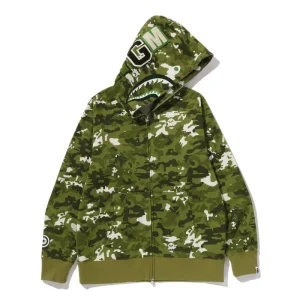
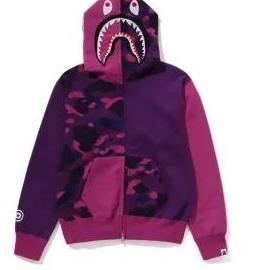
Fans rarely build entire outfits around Milo alone. Instead, his pieces often complement bolder items already in a wardrobe, softening looks that might otherwise feel overwhelming. A simple bape tee shirt paired with a Milo cardigan creates balance, mixing playful charm with brand recognition. Even alongside dramatic pieces like a shark-hooded veste requin, Milo knitwear adds contrast rather than competition, proving gentler designs can coexist naturally within a bolder, more expressive wardrobe.
Why Simplicity Resonates With Collectors
Milo's appeal often comes down to restraint. While much of streetwear chases maximalism, Milo pieces succeed precisely because they avoid it. Clean character work, soft materials, and minimal color palettes create designs that age gracefully rather than feeling tied to a specific trend cycle. Collectors frequently mention this timelessness as a reason they continue purchasing new releases years after their initial introduction to the character, valuing consistency over constant reinvention.
The Emotional Language of Collecting
Fashion often communicates identity, but Milo pieces seem to communicate feeling instead. Fans describe these garments using words like comforting, nostalgic, or personal, rather than terms typically associated with hype culture. This emotional vocabulary sets Milo apart from flashier releases discussed primarily in terms of exclusivity or resale value. For many collectors, owning a Milo piece feels less like participating in trend culture and more like holding onto a small, meaningful keepsake.
Softness as a Deliberate Brand Strategy
Bape's willingness to maintain Milo alongside bolder collections shows deliberate brand thinking rather than accidental contrast. By offering both intensity and gentleness within the same catalog, the brand avoids alienating fans who don't connect with aggressive streetwear aesthetics. This dual approach broadens appeal without diluting either side. Milo isn't positioned as a lesser alternative to flagship pieces; instead, he represents an equally valid, intentionally different expression of the brand's identity.
A Quiet Corner Within a Loud Culture
Streetwear culture often celebrates volume, whether through graphics, hype, or scarcity-driven demand. Milo occupies a different space entirely, one built on subtlety and emotional connection rather than spectacle. That quieter presence hasn't limited his relevance; if anything, it has deepened fan loyalty over time. As trends continue shifting toward louder statements, Milo's understated charm remains a steady reminder that softness can hold its own within even the boldest fashion cultures.
Why This Softer Identity Still Matters
Pull Baby Milo's lasting relevance comes from offering something streetwear rarely prioritizes: gentleness without losing cultural weight. His knitwear proves that comfort and collectibility aren't mutually exclusive, and that not every piece needs aggressive branding to feel meaningful. As fashion continues evolving, this softer identity offers a valuable counterpoint, showing that even within hype-driven culture, quieter designs can carve out lasting, deeply personal significance among dedicated fans.
