

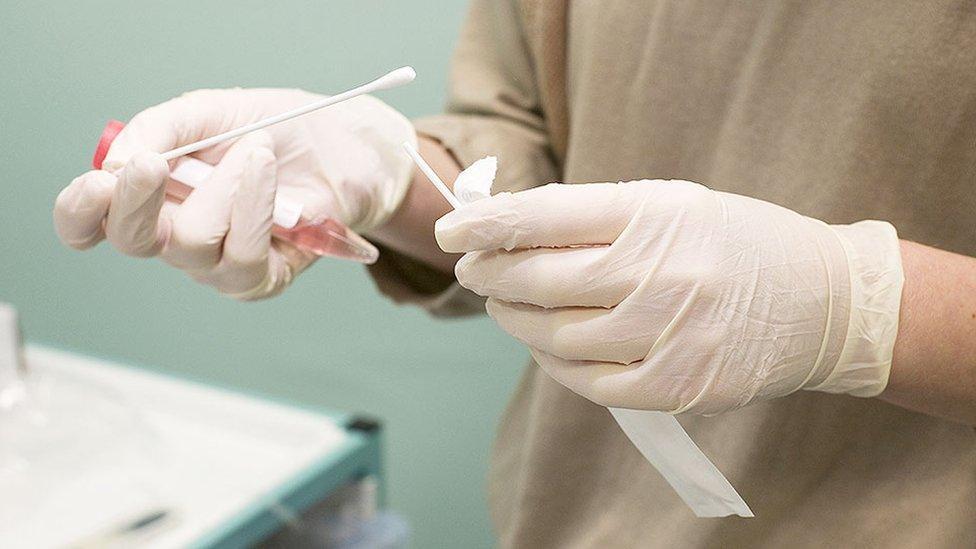

A Chlamydia Test in Dubai can provide important information about whether Chlamydia trachomatis was detected in the tested sample. Understanding the result is an important part of sexual health care, particularly when testing was performed because of symptoms or possible exposure.
Test results are generally interpreted as detected or not detected, although the exact wording can vary between laboratories. A healthcare professional can explain the result in relation to your individual circumstances.
What Does a Positive Result Mean?
A positive or detected result generally means that evidence of Chlamydia trachomatis was found in the sample. This usually indicates a Chlamydia infection that requires appropriate medical attention.
Receiving a positive result does not mean that you should begin treatment without professional guidance. A qualified healthcare provider can recommend the appropriate treatment and explain what steps should be taken afterward.
What Does a Negative Result Mean?
A negative or not-detected result means that the test did not identify Chlamydia in the sample. This can be reassuring, but the result should always be considered alongside the timing of testing, the type of sample collected, and any symptoms or exposure history.
If symptoms continue despite a negative result, further medical evaluation may be appropriate. Another sexually transmitted infection or a non-infectious condition could potentially be responsible.
Why Testing Timing Can Matter
The timing of a Chlamydia test can influence how confidently a result can be interpreted after a recent exposure. Testing very soon after contact may not always detect an infection because there may not yet be enough detectable material in the sample.
If you recently believe you were exposed, ask a healthcare professional when testing would be most appropriate and whether follow-up testing may be needed.
Enfiled STD Clinic for Professional Result Guidance
Enfiled STD Clinic can provide professional assistance for people undergoing Chlamydia testing. A healthcare professional can discuss the result with you and explain what it means based on your symptoms, exposure history, and testing circumstances.
Professional guidance can also help determine whether additional STI testing or follow-up is appropriate.
What Happens After a Positive Result?
If Chlamydia is detected, a healthcare professional can discuss suitable treatment options. It is important to follow the prescribed treatment instructions carefully and complete treatment as advised.
You may also need to discuss sexual partners with your healthcare provider. Partner evaluation and appropriate precautions can help reduce the risk of passing the infection to someone else.
What If Symptoms Continue After a Negative Result?
A negative Chlamydia result does not necessarily explain persistent symptoms. Genital discomfort, discharge, burning during urination, and pelvic pain can have several possible causes.
If symptoms remain, a healthcare professional may recommend additional tests or examinations to identify another possible cause. Avoiding self-diagnosis can help prevent unnecessary or inappropriate treatment.
Can a Chlamydia Result Be Misunderstood?
Yes. Reading a laboratory result without understanding the testing method or individual circumstances can sometimes cause confusion. Terms such as “detected,” “not detected,” or “positive” may have specific meanings depending on the test used.
For this reason, discussing your result with a qualified healthcare professional can help you understand exactly what the report indicates.
Should You Tell a Sexual Partner?
If a Chlamydia infection is confirmed, discussing the diagnosis with relevant sexual partners may be an important part of preventing further transmission. A healthcare professional can provide guidance about partner notification and when sexual activity can safely resume.
Taking these steps can help protect both your health and the health of others.
Why Professional Interpretation Matters
A Chlamydia Test in Dubai provides valuable laboratory information, but the result is only one part of the overall medical assessment. Symptoms, exposure timing, sample type, and other health factors can all influence how the result should be understood.
Professional interpretation ensures that the result is considered in the right context and that appropriate follow-up can be recommended.
Final Thoughts
Understanding your Chlamydia test result can help you make informed decisions about your sexual health. A positive result generally requires professional treatment, while a negative result may need to be considered alongside symptoms and the timing of testing. If you have concerns about your result, speaking with a qualified healthcare professional can provide clear guidance about what to do next.
