

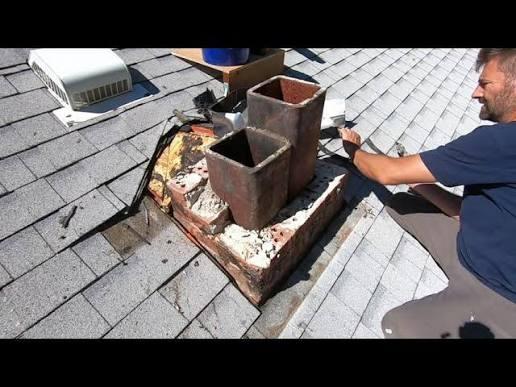
Chimney Removal and Chimney Bricks: What Homeowners Should Know Before Taking Action

A brick chimney can add traditional charm and architectural character to a home, but it can also become a maintenance concern as it ages. Years of exposure to rain, moisture, wind, temperature changes, and general wear can affect chimney bricks, mortar joints, flashing, and other components. In some cases, repairs can restore the structure and extend its useful life. In others, homeowners may consider chimney removal when the chimney is no longer needed or has developed extensive deterioration. Understanding the condition of the chimney and the options available can help homeowners make a safe and practical decision.
Why Chimney Bricks Deteriorate Over Time
Chimney bricks are constantly exposed to outdoor conditions. Unlike bricks protected inside a building, chimney masonry has to withstand rain, wind, moisture, and seasonal temperature fluctuations throughout the year.
Water is one of the biggest causes of masonry deterioration. Moisture can enter through small cracks, damaged mortar joints, chimney caps, crowns, or flashing. Once water gets inside the masonry, repeated exposure can gradually weaken the bricks and surrounding mortar.
Some common signs of deteriorating chimney bricks include cracking, flaking, chipping, discoloration, and loose sections. When these problems are noticed early, targeted repairs may be possible.
Signs Your Chimney May Need Attention
Homeowners should regularly look at their chimney for visible changes. Some warning signs include:
- Cracked or broken chimney bricks
- Crumbling or missing mortar
- Loose masonry
- Bricks that appear to be flaking or separating
- Water stains around the chimney
- White mineral deposits on the brick surface
- A chimney that appears to lean
- Damaged chimney flashing
- Cracks around the chimney crown
- Pieces of brick or mortar falling onto the roof
Not every problem means the chimney needs to be removed. However, these signs should be evaluated by a qualified professional to determine the extent of the deterioration.
Can Damaged Chimney Bricks Be Repaired?
In many situations, damaged chimney bricks can be repaired or replaced. If deterioration is limited to individual bricks or specific mortar joints, a contractor may be able to restore those areas without rebuilding the entire structure.
Damaged bricks can be carefully removed and replaced with suitable materials. Deteriorated mortar may also be repointed to strengthen the joints and reduce opportunities for water penetration.
The key is identifying the cause of the deterioration. Replacing a damaged brick without addressing an ongoing moisture problem may allow the same issue to return.
When Is Chimney Removal Considered?
Chimney removal may become an option when a chimney is severely damaged, no longer used, or no longer fits the needs of the property.
For example, an old chimney that is no longer connected to an active fireplace or heating system may provide little practical value while continuing to require maintenance.
Removal may also be considered when extensive structural deterioration means that rebuilding would require significant work. In such cases, a professional can compare the condition of the chimney with the potential repair requirements and discuss whether removal is a more practical solution.
However, removal should never be based solely on the chimney's exterior appearance. A professional assessment is important before making the decision.
Partial vs. Complete Chimney Removal
There is more than one approach to chimney removal. Depending on the property's construction, a contractor may remove only the portion extending above the roof while retaining another section of the chimney.
In other situations, complete removal may be considered. The appropriate method depends on factors such as the chimney's structural condition, whether it is still in use, its connection to the fireplace, and how it interacts with the roof and interior structure.
Removing a chimney can also affect the roof area where the chimney previously passed through. Properly restoring the roof and surrounding structure is therefore an important part of the process.
Why Chimney Removal Requires Professional Planning
A chimney may appear to be a standalone structure, but it can be connected to several parts of the home. It may interact with the fireplace, roof framing, interior walls, and ventilation system.
Improper removal could result in structural or moisture-related problems. Professionals can determine how the chimney is constructed and plan the removal process accordingly.
They can also identify whether additional work will be necessary after the chimney is removed, such as repairing the roof, closing an opening, or restoring affected masonry.
Repair or Removal: Which Option Is Right?
The best option depends on the condition and purpose of the chimney.
Repair may make sense when:
- Damage is limited to individual bricks or mortar joints.
- The chimney remains structurally sound.
- The fireplace or heating system still requires the chimney.
- The homeowner wants to preserve the property's original appearance.
- Restoration is practical compared with complete removal.
Removal may be worth considering when:
- The chimney has extensive structural deterioration.
- It is no longer required.
- Maintenance has become impractical.
- Significant renovation work is already planned.
- A professional determines that removal is more suitable than extensive rebuilding.
A thorough inspection can provide the information needed to make an informed decision.
Protecting Chimney Bricks From Future Damage
Whether you plan to repair or retain your chimney, preventive maintenance can help extend its lifespan. Regular inspections can identify deteriorating chimney bricks, damaged mortar, and water-entry points before they become major problems.
The chimney cap and crown should remain in good condition, while flashing should be checked for signs of deterioration. Water should be directed away from the masonry wherever possible.
Homeowners should also avoid ignoring small cracks. A minor opening can become a pathway for moisture, eventually affecting a much larger area of the chimney.
What to Expect Before Making a Decision
Before choosing repair or chimney removal, arrange a professional inspection. The contractor should examine the visible masonry, mortar, chimney top, flashing, and surrounding roof area.
The inspection can help determine whether the damage is cosmetic, localized, or structural. It can also identify potential water-entry points that may be contributing to the deterioration.
Once the condition is understood, homeowners can compare the potential cost, maintenance requirements, and long-term benefits of repair versus removal.
Preserve or Remove With Confidence
An aging chimney does not automatically need to be demolished. In many cases, damaged chimney bricks and mortar can be repaired, allowing homeowners to preserve the structure and its architectural character. However, when a chimney is severely deteriorated or no longer serves a useful purpose, chimney removal may be a practical alternative.
The right decision starts with a professional evaluation rather than guesswork. By understanding the condition of the masonry, addressing moisture problems, and considering the home's long-term needs, homeowners can choose a solution that protects their property while avoiding unnecessary work. Whether the goal is restoration or removal, careful planning can make the process safer, more efficient, and more beneficial for the home.
