

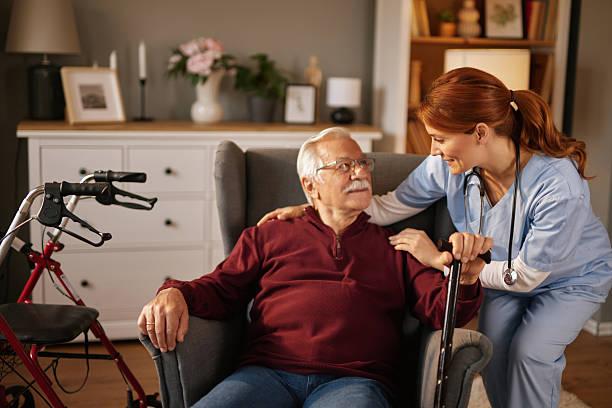

Comfortable living becomes especially important when a person needs additional assistance with everyday activities. Aging, limited mobility, recovery after an illness, or other changes in daily life can make ordinary tasks more challenging. Home Care Services can provide practical support while allowing individuals to remain in familiar surroundings and continue their daily routines.
Families may also need convenient healthcare options when a loved one requires medical attention at home. Doctor at home in Dubai can be a useful option for people who may find traveling to a healthcare facility difficult. Appropriate medical attention combined with dependable home support can create a more convenient and comfortable care experience.
Creating Comfort in a Familiar Environment
Home is often where people feel most relaxed and secure. Familiar rooms, personal belongings, established routines, and family surroundings can provide emotional comfort that may be difficult to recreate elsewhere.
Professional home care allows individuals to receive assistance without necessarily leaving their familiar environment. This can make daily activities feel less disruptive and help people maintain a sense of normality.
Maintaining Familiar Routines
Everyone has their own way of organizing the day. Some people prefer early mornings, while others may have specific meal, rest, or activity schedules.
A caregiver can work around these preferences whenever possible. Maintaining familiar routines can make care feel more natural and help individuals remain involved in decisions about their daily lives.
Assistance With Everyday Activities
Everyday tasks that once seemed simple can become difficult when someone experiences reduced strength or mobility. Getting dressed, preparing meals, moving around the home, or maintaining personal hygiene may require additional assistance.
Home Care Services can provide support with these activities while encouraging individuals to remain as independent as safely possible.
Supporting Personal Hygiene
Personal hygiene plays an important role in comfort, confidence, and overall well-being. Some individuals may need help with bathing, grooming, dressing, or other personal activities.
A professional caregiver can provide assistance in a respectful manner while protecting the individual's privacy and dignity. Compassion and patience are especially important when helping with personal care.
Supporting Independent Living
Needing assistance does not mean that a person has to give up their independence. The right level of home support can actually help individuals continue living independently for longer.
Caregivers can assist with activities that are difficult while allowing the person to complete tasks they can safely manage themselves. This approach can encourage confidence and preserve a sense of control.
For many families, maintaining independence is an important part of creating a positive home care experience.
Making the Home Safer
A comfortable home should also be a safe home. People with mobility difficulties may have an increased risk of falls or other accidents during daily activities.
Caregivers can provide support when individuals move around the home and can alert family members to potential safety concerns. Families can also make practical improvements such as keeping walkways clear, improving lighting, and placing frequently used items within easy reach.
Reducing Everyday Risks
Small environmental changes can make a significant difference. Removing unnecessary obstacles and keeping essential areas organized can make it easier for someone with limited mobility to move around safely.
Professional assistance can further reduce difficulties by providing support during activities that might otherwise be challenging.
Providing Companionship at Home
Comfort is not limited to physical needs. Emotional well-being also matters. People who spend most of their time at home may sometimes experience loneliness or reduced social interaction.
A caregiver can provide companionship through conversation, shared meals, hobbies, reading, or simple daily interaction. Having someone available can make the home environment feel more positive and engaging.
Encouraging Social Interaction
Meaningful conversation and regular social contact can help individuals feel connected. Caregivers can encourage appropriate activities based on the person's interests and abilities.
This may include listening to music, discussing current interests, enjoying a favorite hobby, or spending time outdoors when appropriate.
Supporting Families With Professional Care
Family members often want to provide constant assistance, but personal and professional responsibilities can make this difficult. Home-based caregivers can share some of the practical responsibilities involved in everyday care.
This support can allow relatives to focus more on spending quality time with their loved ones rather than handling every caregiving task themselves.
Professional assistance can also be particularly useful when family members live in different locations or have demanding schedules.
Helping During Recovery
Temporary home support can be helpful during recovery from an illness, procedure, or period of weakness. Returning home can provide comfort, but individuals may still need assistance with daily activities while they regain strength.
Caregivers can help with non-medical daily tasks according to the individual's care plan and professional guidance. This can make the transition back to normal routines easier.
Families can also feel more confident knowing that practical support is available during the recovery period.
Personalized Care for Different Needs
No two people have exactly the same care requirements. Some individuals may need assistance for only a few hours, while others may require more regular support.
Personalized Home Care Services can be adjusted according to daily needs, lifestyle preferences, and changes in circumstances. This flexibility helps families avoid choosing a care arrangement that provides either too little or unnecessary assistance.
A personalized approach can also make individuals feel more respected because their preferences and routines are taken seriously.
Maintaining Dignity and Respect
Dignity should remain a central part of every home care arrangement. Individuals receiving assistance should feel that their privacy, choices, and personal boundaries are respected.
A compassionate caregiver understands that providing support involves more than completing tasks. It also requires listening, communicating respectfully, and allowing the individual to participate in decisions whenever possible.
When care is delivered with patience and understanding, individuals are more likely to feel comfortable with the support they receive.
Making Comfortable Living Possible
The purpose of Home Care Services is not simply to assist with daily tasks. Quality home care can help create an environment where individuals feel safe, respected, comfortable, and supported.
By receiving appropriate assistance at home, people can maintain familiar routines and continue participating in everyday life. Families can also benefit from having reliable professional support available when their own schedules make constant caregiving difficult.
Ultimately, comfortable living is about having the right balance between assistance and independence. With personalized Home Care Services, individuals can receive the practical help they need while remaining connected to their homes, routines, and families. This supportive approach can make everyday life more comfortable and provide families with greater confidence in their loved one's care.
